The FTC Is Sending Zelle Payments to Former Herbalife Distributors Who Never Cashed Their Refund Checks, After $197.7 Million Already Went Out
People who once tried to build an Herbalife business, and lost money doing it, never cashed the refund check the government mailed them. Now that money is being sent a different way, straight into their bank accounts.
The Federal Trade Commission’s Herbalife refund page, updated in November 2026, says the agency is sending Zelle payments to eligible people who lost money running Herbalife businesses and did not cash an earlier check. Each payment is deposited directly into the recipient’s bank account with a note about the settlement. Earlier rounds of the program have already returned more than $197.7 million.
Why the FTC Is Paying Herbalife Distributors
The payments trace back to a 2016 case. On July 15, 2016, the FTC announced that Herbalife would pay $200 million in consumer redress and restructure its U.S. business to settle charges that it misled people about how much they could earn.
The FTC alleged Herbalife told participants they could quit their jobs or get rich from the business. According to the agency, more than half of Herbalife’s “sales leaders” received less than $300 in reward payments for 2014. People who opened Nutrition Clubs spent about $8,500 on average to get started, and 57% reported no profit or a loss, the FTC said.
The agency also said Herbalife rewarded distributors for recruiting other people, whether or not those recruits could actually sell the products, and called that practice unfair. Most distributors stopped ordering within their first year, and nearly half of the distributor base quit each year, according to the FTC.
Then-FTC Chairwoman Ramirez said the restructuring meant “participants are rewarded for what they sell, not how many people they recruit.”
What Herbalife Had to Change
Under the order, at least two-thirds of distributor rewards had to be based on tracked, verified retail sales, and at least 80% of product sales had to go to legitimate end users, or distributor rewards would be cut. People who join only to buy at a discount can no longer sell products or earn rewards.
The order also stopped new participants from spending money to lease or buy space for a Nutrition Club or other business location until they finished their first year and a business training program. Herbalife was barred from misrepresenting likely earnings or claiming members could quit their jobs or live a lavish lifestyle, and it had to pay for an independent compliance auditor for seven years.
Four Rounds of Payments Since 2017
The first checks went out in January 2017. The FTC said at the time that nearly 350,000 people were getting refund checks, calling it one of the largest redress distributions in an FTC consumer protection case. Those checks went to people who ran an Herbalife business in the U.S. between 2009 and 2015, paid the company at least $1,000 and got little or nothing back. Most checks were between $100 and $500, and the largest topped $9,000.
Jessica Rich, then director of the FTC’s Bureau of Consumer Protection, said in 2017 that the agency was pleased the refunds were going to people “victimized by Herbalife’s deceptive earnings claims.”
More checks followed in May 2019 and March 2023, according to the FTC’s refund page. The November 2026 Zelle round is aimed at people from those earlier rounds whose checks went uncashed. The FTC has not published a dollar total or recipient count for this latest round.
How the Zelle Payments Work
The FTC’s refund program guidance says the agency now pays refunds by check, prepaid debit card, PayPal or Zelle. When a check expires, the FTC may reissue the money if funds remain, and Zelle lets it land directly in a bank account rather than sitting in a drawer. Money that cannot be distributed eventually goes to the U.S. Treasury.
Recipients who have questions about an Herbalife payment can call the refund administrator, Analytics Consulting LLC, at 1-844-322-8146, the number listed on the FTC’s refund page.
The site has covered other repeat FTC payouts, including a second batch of refunds for Pure Green Coffee buyers and a third FTC check for people sold a bogus health plan.
Spotting a Fake Herbalife Refund Message
A real Zelle deposit from this program goes straight into the recipient’s bank account with a note about the settlement, according to the FTC. The agency says it never asks people to pay to get a refund, and it warns against giving personal information to anyone who calls, texts or emails about one.
The agency’s Nov. 12 consumer alert on FTC impersonators says scammers copy the FTC’s name, logo and website design, and that real FTC websites always end in .gov. Anyone who gets a suspicious message about an Herbalife refund can report it at ReportFraud.ftc.gov.
This article was produced with AI assistance and edited for accuracy against the sources linked above.
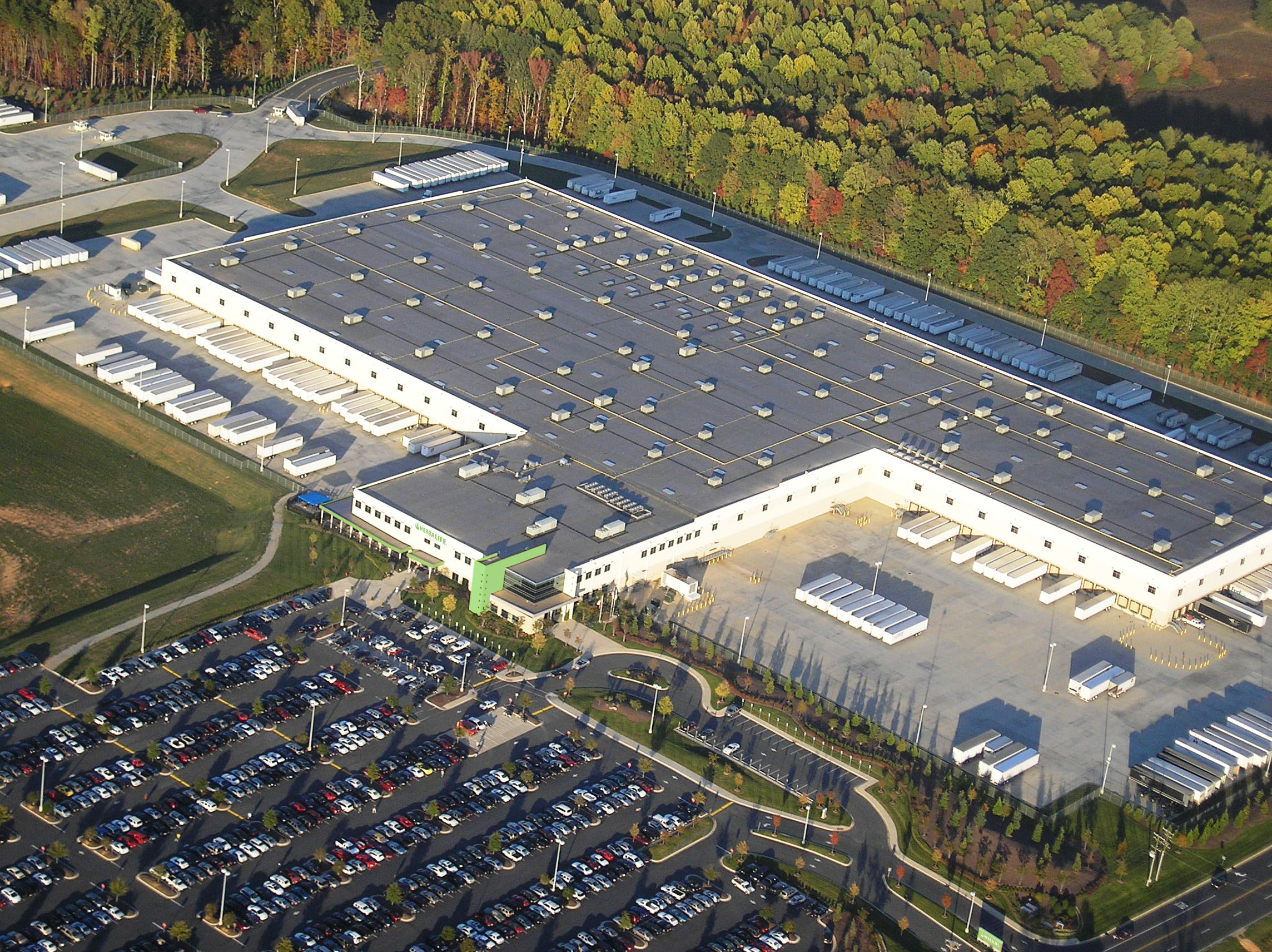
Image: Herbalife Nutrition – CC BY-SA 4.0/Wikimedia Commons