More Than 26,000 Cerebral Customers Who Were Charged After Trying to Cancel Are Getting a Second FTC Refund, Worth Over $766,000 in All
Former Cerebral customers who tried to quit the online mental health service and kept getting billed anyway are getting more money back. The Federal Trade Commission has started a second round of refunds, worth more than $766,000 in total, for more than 26,000 people.
The FTC’s Cerebral refund page, updated in November 2026, says the new payments are going to people who accepted their first refund. That first round, sent in May 2025, returned more than $3.5 million, according to the agency.
Who Is Getting the Second Cerebral Refund
To qualify, a customer must have tried to cancel a Cerebral subscription before May 2022 and been charged after the cancellation request, the FTC says. The second round goes only to people who accepted their first payment.
The second round is far smaller than the first. More than 26,000 people are in line for it, compared with 40,249 who were paid in May 2025, and the new round totals more than $766,000.
Payments arrive by check or PayPal. The FTC says checks should be cashed within 90 days, and PayPal payments must be accepted within 30 days.
Recipients with questions can contact the refund administrator, Epiq Systems, at 1-888-884-6036 or [email protected], according to the FTC’s refund page.
What the FTC Said Cerebral Did
When the first refunds went out, the FTC said in a May 8, 2025, announcement that Cerebral promised customers they could “cancel anytime” but required a complex, multi-step and often multi-day process to do it. The company kept charging people while it delayed their cancellation requests, the agency alleged.
The FTC alleged Cerebral violated the Restore Online Shoppers’ Confidence Act by not clearly disclosing all material cancellation terms before charging consumers.
The agency also alleged that Cerebral disclosed sensitive personal health information and other sensitive data to third parties for advertising. Cerebral agreed to pay more than $5 million to settle the FTC’s charges, according to the agency’s refund page.
How Big the First Round Was
The May 2025 payments went to 40,249 consumers and totaled more than $5 million, the FTC said at the time. Most of those people got a mailed check, while eligible consumers with no address on file got a PayPal payment.
The FTC’s refund page puts the money returned in that first round at more than $3.5 million. Under the FTC’s refund program rules, when money remains after a first round, a second round may follow. Any money that cannot be distributed goes to the U.S. Treasury.
The FTC says it typically splits a fund pro rata when there is not enough to cover every loss in full, so each person gets the same share of what they lost. The agency has not published an average amount for the second Cerebral payment.
If a Cerebral Payment Expires or Never Arrives
The FTC’s refund guidance says that when a check expires, the agency may reissue it if money is still left in the fund, and reissues are processed monthly. Someone who would rather have a check than a PayPal payment can ask for one, but the FTC says that check cannot be issued until at least 45 days after the original payment date.
For PayPal payments, the FTC says it emails recipients ahead of time from a .gov address. A PayPal notice about a Cerebral refund that comes from any other kind of address is a red flag.
The agency also explains how it finds the people it pays. Court orders usually require the company to turn over customer lists with contact information and the amounts each person paid, and the FTC may also search its Consumer Sentinel complaint database. Most FTC cases do not require consumers to file a claim. The FTC says it aims to send payments within six months of receiving the data and the money it needs.
Refunds like these add up across the agency’s caseload. FTC actions led to more than $339 million in refunds to consumers in 2024, the agency said in its May 2025 Cerebral announcement.
Cerebral is one of several FTC cases with follow-up payments. The site has reported on a second batch of refunds for Pure Green Coffee buyers and a third FTC check for people sold a bogus health plan. The FTC’s list of refund programs shows seven programs with November 2026 updates: Cerebral, Herbalife, FloatMe, Pure Green Coffee, the Consumer Health Benefits Association, Ed Napleton Automotive Group and Publishers Clearing House.
How to Tell a Real Cerebral Refund From a Scam
The FTC says it never requires upfront fees or asks for sensitive information to send a refund. Anyone who claims to be from the FTC and asks for money is running a scam, the agency says. Rather than clicking links in an unexpected message, the FTC recommends typing ftc.gov/refunds into a browser to confirm a case is real.
The agency’s Nov. 12 consumer alert warns that impostor sites may copy the FTC’s name and logo while ending in .com, .org or .online, and that real FTC websites always end in .gov. Suspicious messages can be reported at ReportFraud.ftc.gov.
This article was produced with AI assistance and edited for accuracy against the sources linked above.
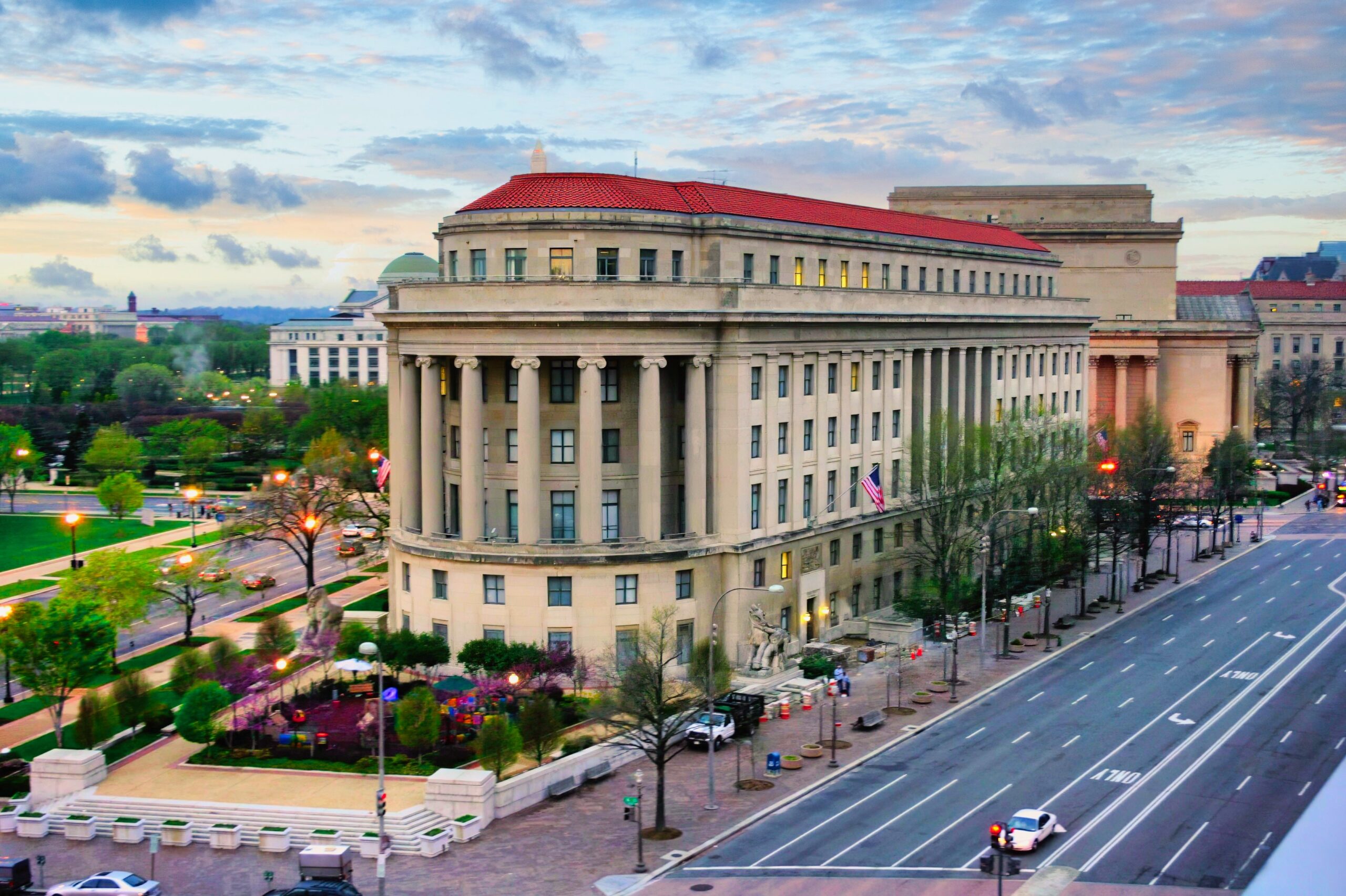
Image: Harrison Keely – CC BY 4.0/Wikimedia Commons