The FTC Is Mailing 24,342 More Refunds Worth Over $282,000 to People Who Bought Pure Green Coffee Diet Pills
Some households that bought a bottle of Pure Green Coffee diet pills years ago are about to find a second FTC payment in the mail or in their PayPal account. The Federal Trade Commission says it is sending 24,342 payments totaling more than $282,000, by check or PayPal. The money goes only to people who accepted their first Pure Green Coffee refund, and the clock starts as soon as it arrives: 90 days to cash a check, 30 days to accept a PayPal payment.
This is the second round from the same fund. The FTC says it is going out because there is still money left over after the first payments in March 2025.
Only first-round recipients are on the list
The FTC’s refund page is specific about who qualifies this time. The agency says it is sending the 24,342 payments “to people who accepted their first payment.” That means anyone who cashed their first Pure Green Coffee check, or accepted the first PayPal payment, is in line for this one.
The FTC’s description does not include people who never cashed that first check or let the first PayPal payment lapse. No new claim form is involved, and there is nothing to apply for. Payments go to the people already on the refund list.
The FTC has not published an individual payment amount for the second round. Dividing the total by the number of payments puts the average at roughly $11.60 per person. That is a calculation from the FTC’s figures, not an amount the agency stated, and the actual figure on any given check can differ.
Checks: 90 days. PayPal: 30 days.
The deadlines are short. The FTC says people who get a check should cash it within 90 days, and people who get a PayPal payment should accept it within 30 days.
Questions about a specific payment go to the refund administrator at 1-877-839-1696, the number listed on the FTC’s page. The FTC’s March 2025 announcement identified the administrator as Epiq Systems.
Missing the deadline does not always mean the money is gone for good. The FTC’s refund FAQ says the agency may be able to reissue a payment if there is still money available in the settlement fund, and that reissues are generally processed once a month. The FAQ also says requests for a check instead of a PayPal payment cannot be issued until at least 45 days after the first payment date.
How a $50 bottle of pills turned into a decade-long FTC case
The case goes back to May 2014. That is when the FTC sued a Florida-based operation selling Pure Green Coffee, a green coffee bean extract supplement that cost about $50 for a one-month supply. The defendants were Nicholas Congleton, Paul Pascual and Bryan Walsh, along with NPB Advertising, Inc. and several related companies.
According to the FTC’s complaint, sales began weeks after green coffee bean extract was promoted on “The Dr. Oz Show.” The agency alleged the ads claimed users could lose 20 pounds in four weeks, or 16% of their body fat in 12 weeks, without diet or exercise.
The FTC also said the marketing ran through sites built to look like independent news outlets, with made-up mastheads such as “Women’s Health Journal” and “Healthy Living Reviewed,” and logos borrowed from real networks including CNN and MSNBC. Jessica Rich, then director of the FTC’s Bureau of Consumer Protection, said the tactic made it “impossible for people to know whether they were seeing news or an ad.”
Most defendants settled in November 2015. Congleton fought the case. In November 2016, a federal court in Tampa entered a $30 million judgment against him and permanently barred him from the challenged advertising practices. The court also ordered relief defendant Dylan Loher to turn over $549,000 toward the judgment. Rich said at the time that the case showed the FTC was willing to “go the distance” to hold defendants like these accountable.
Why there was money left for a second round
The FTC said in March 2025 that it was sending checks and PayPal payments to 39,977 Pure Green Coffee buyers. In that announcement, the agency said it had worked extensively to collect on the judgment after the 2016 ruling.
The FTC’s current refund page says that first round “resulted in more than $551,000 in refunds.” The agency says that because money still remains in the fund, it is now sending the 24,342 second-round payments. It is the same pattern seen in other FTC cases, such as the AdvoCare second round and the Publishers Clearing House checks: money left in the fund after the first round goes back out to the people who cashed their first payment.
Added together, the two Pure Green Coffee rounds come to more than $833,000 sent back to buyers, based on the FTC’s own totals.
Telling a real FTC payment from a fake one
Refund rounds like this one tend to bring out impostors. The FTC says it “never requires people to pay money or provide account information to get a refund.” Its FAQ adds that the agency does not ask for a Social Security number or bank account number, and that “if someone claims to be from the FTC and asks for money, it’s a scam.”
For PayPal payments, the FTC says it emails recipients ahead of time from a .gov address, and PayPal sends its own email once the payment is issued. The agency advises typing ftc.gov/refunds or PayPal.com into a browser instead of clicking a link in an email that looks suspicious. Every real case, including this one, is listed at ftc.gov/refunds with the company issuing payments and a phone number.
On taxes, the FAQ says the FTC generally does not issue 1099s or other tax forms to refund recipients. If a 1099 does arrive with a check, the agency says the payment should be reported as income.
The FTC’s consumer guide, “The Truth Behind Weight Loss Ads,” lists the same red flags the Pure Green Coffee ads were accused of using: promises of weight loss without diet or exercise, fake news stories, stolen news logos and planted reviews. “Products promising lightning-fast weight loss are always a scam,” the guide says.
This article was produced with AI assistance and edited for accuracy against the sources linked above.
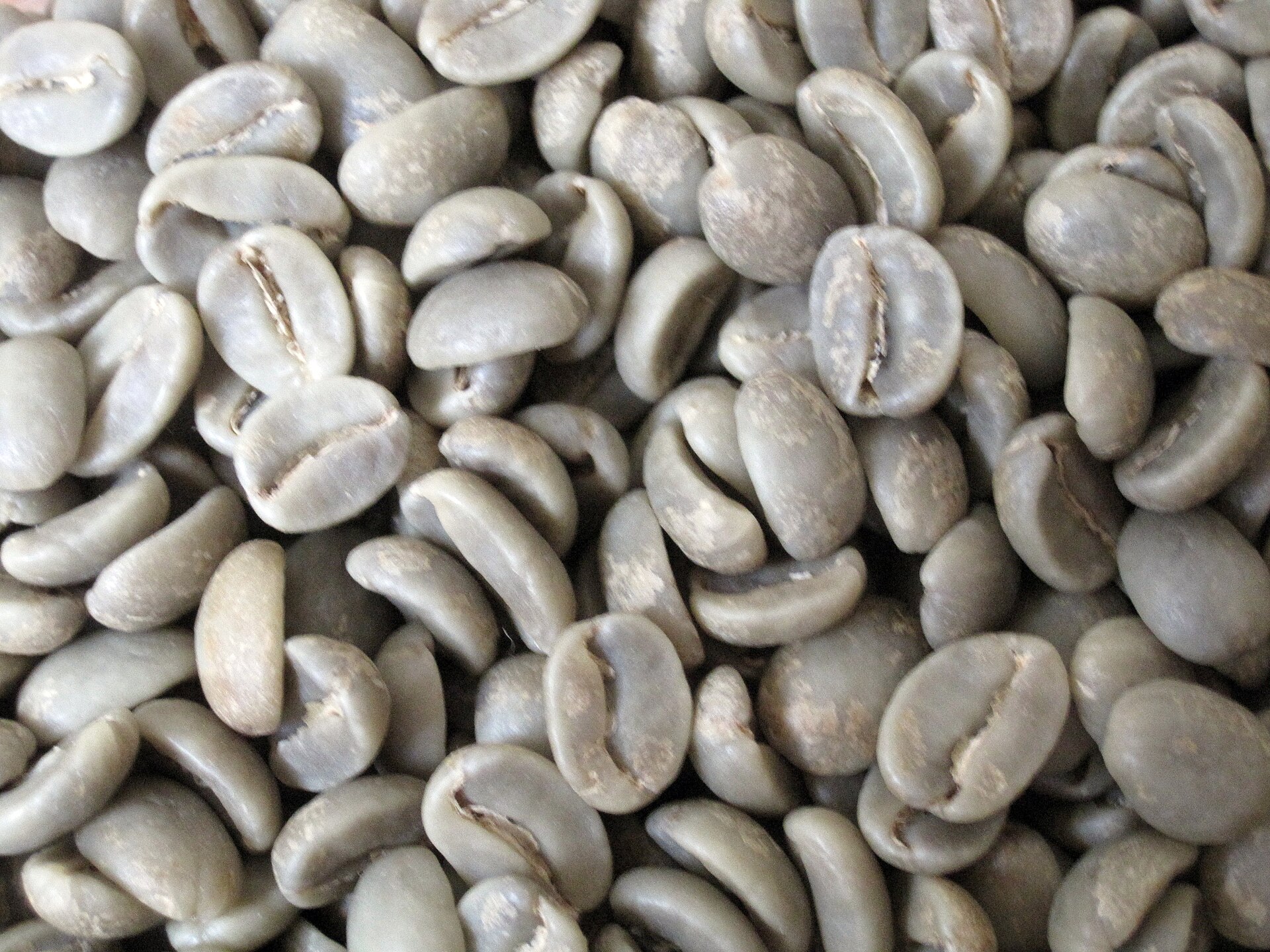
Image: Michael Allen Smith@INeedCoffee from Seattle, USA – CC BY-SA 2.0/Wikimedia Commons