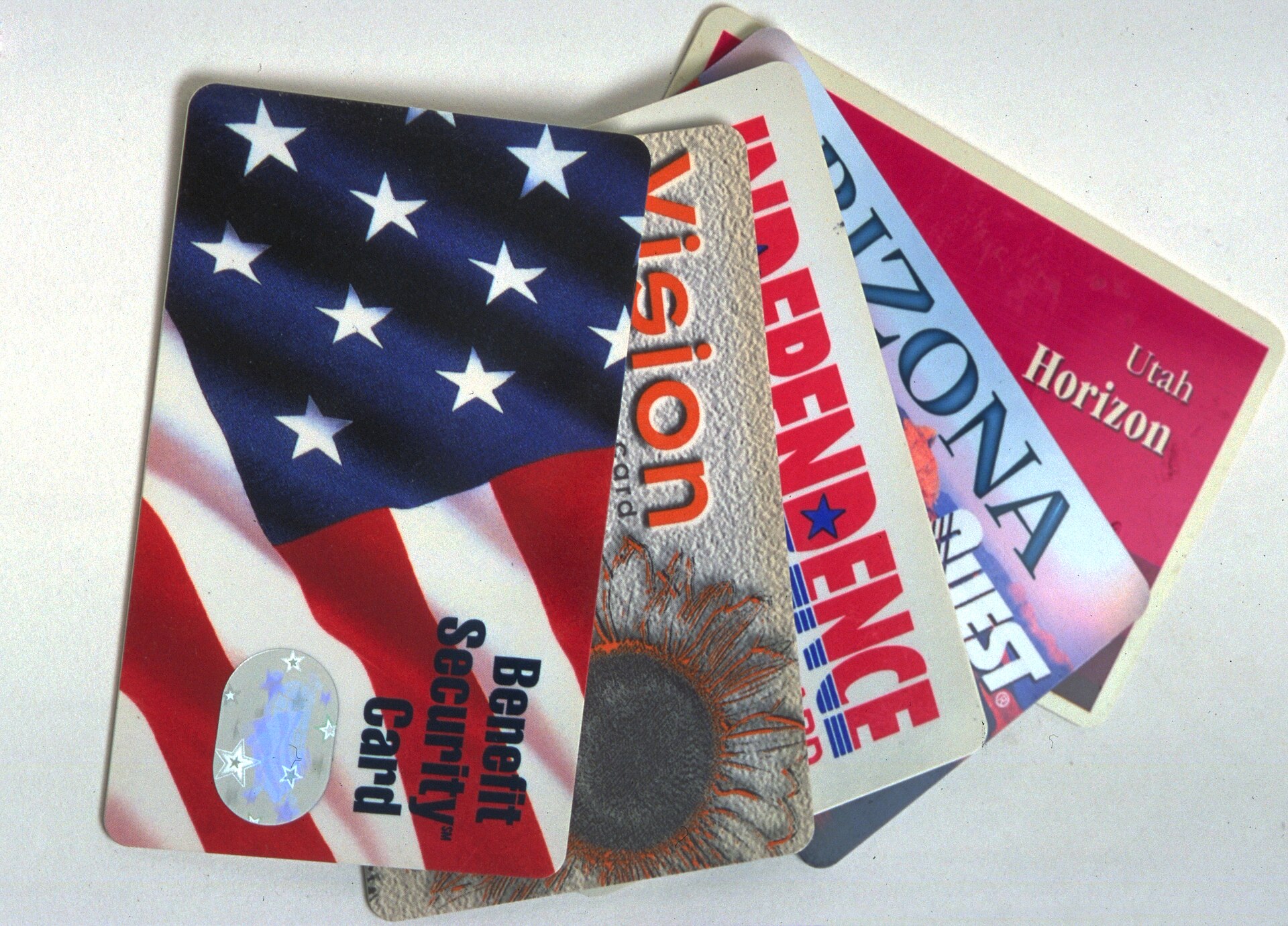
December SNAP Benefits Start Loading on EBT Cards Dec. 1, but Each State Sets Its Own Deposit Days
For a family on food assistance, the first grocery run of December depends on one thing: the day the state reloads the EBT card. Some households will see December SNAP benefits on Tuesday, Dec. 1. Others will wait until the middle of the month or later, because each state sets its own deposit calendar.
The U.S. Department of Agriculture lets states choose how to spread out issuance, and the schedules vary widely, from a single day for everyone to a rolling window that stretches past the 20th. Newsweek reported on Nov. 17 that no December-specific changes to benefit amounts or rules had been announced, so the usual state calendars apply.
States That Load Everyone on Dec. 1
Four states and one territory pay all SNAP households on the first of the month, according to the USDA’s state-by-state issuance schedule. On that list:
- Alaska
- North Dakota
- Rhode Island
- Vermont
- U.S. Virgin Islands
Two more states use one fixed day later in the month: New Hampshire pays on the 5th and South Dakota on the 10th.
States That Start on the 1st and Spread It Out
The nine states below begin on Dec. 1 but stagger households across a range of days, usually by the last digit of a case number or Social Security number, or by the first letter of the last name. Examples from the USDA schedule:
- California: the 1st through the 10th, by the last digit of the case number.
- New York (outside New York City): the 1st through the 9th, by the last digit of the case number. New York City uses its own schedule across the first two weeks.
- Florida: the 1st through the 28th, based on digits of the case number.
- Massachusetts: the 1st through the 14th, by the last digit of the Social Security number.
- Tennessee: the 1st through the 20th, by the last two digits of the head of household’s Social Security number.
- Washington: the 1st through the 20th.
- New Jersey: the 1st through the 5th, by the seventh digit of the case number.
- Kentucky: odd days from the 1st through the 19th, by the last digit of the case number.
- Missouri: the 1st through the 22nd, by birth month and the first letter of the last name.
Pennsylvania issues over the first 10 business days of the month, with the day set by county and case number, so weekends and holidays push some households later.
States Where the First Deposit Comes Later
In Indiana and at least six other states, nobody gets December benefits on the 1st. Indiana’s Family and Social Services Administration posts its deposit days by last name: names starting with A or B load on the 5th, and the schedule runs on odd days through the 23rd for names starting with W through Z. The name that counts is the one on the front of the Hoosier Works card.
Other states with later starts on the USDA schedule include Alabama (the 4th through the 23rd), Georgia (the 5th through the 23rd, odd days), Maryland (the 4th through the 23rd), Michigan (the 3rd through the 21st, odd days), North Carolina (the 3rd through the 21st, odd days) and Ohio (the 2nd through the 20th, even days).
Texas splits households by when they were certified. Those certified after June 1, 2020, are paid from the 16th through the 28th, while older cases are paid from the 1st through the 15th, according to the USDA schedule.
The USDA’s master schedule was last revised in 2021, and states can change their own calendars, so the state agency’s page or EBT customer line is the final word for any one household.
How Much a December Benefit Can Be
December benefits follow the amounts that took effect Oct. 1 for fiscal 2027. The USDA’s maximum monthly allotments for the 48 contiguous states and Washington, D.C., are:
- 1 person: $306
- 2 people: $562
- 3 people: $808
- 4 people: $1,023
- 5 people: $1,217
- 6 people: $1,463
Larger households top out at $1,616 for seven people and $1,841 for eight. Alaska, Hawaii, Guam and the Virgin Islands have different amounts. Not every household gets the maximum, because the benefit depends on income and household circumstances.
What the card can buy is also shifting in some places. South Carolina SNAP cards stopped covering candy, soda and energy drinks on Nov. 1, and Hawaii has a soft-drink restriction coming in April 2027.
Two Things to Watch Before the Holidays
Indiana is clearing out old balances. Starting Nov. 23, SNAP benefits that are at least 274 days old will be removed from EBT accounts, and expunged benefits cannot be replaced, the state’s FSSA page says. Indiana households with older balances sitting on a card can avoid losing them by spending them.
Florida is phasing out its SUNCAP food assistance program. From October 2026 through March 2027, current SUNCAP recipients will receive a notice from the Florida Department of Children and Families explaining how to keep getting food assistance if they qualify.
This article was produced with AI assistance and edited for accuracy against the sources linked above.
Image: Ken Hammond – Public domain/Wikimedia Commons