What Happens at a Hawaii Checkout After April 1, 2027? SNAP Cards Will No Longer Cover Soft Drinks
On the morning of April 1, 2027, a shopper at an authorized Hawaii grocery store will slide an EBT card through the reader with a basket that includes a bottle of cola. If the state’s plan holds, that bottle will be the item the card refuses to cover. Everything else in the basket that SNAP already covers would still ring up as usual.
That is the checkout moment Hawaii’s SNAP soft-drink restriction creates. The U.S. Department of Agriculture’s state restriction table lists Hawaii with a target implementation date of April 1, 2027, and “soft drinks” as the restricted item.
What Changes at the Register on April 1, 2027
Hawaii asked USDA for permission to amend the SNAP definition of food so that it excludes soft drinks, according to the state’s waiver page on the USDA Food and Nutrition Service site. The state made its formal request on Oct. 10, 2025, and USDA approved it on Dec. 10, 2025.
The restriction was first set to begin Aug. 1, 2026. On June 15, 2026, USDA approved moving the start to April 1, 2027, the same page says. The approval covers the whole state, and the waiver is a two-year project.
The restriction applies only to what SNAP benefits can buy. Alcohol, tobacco and hot foods were already off-limits to SNAP and are not part of this change, according to the December 2025 approval letter.
Which Drinks the Waiver Names
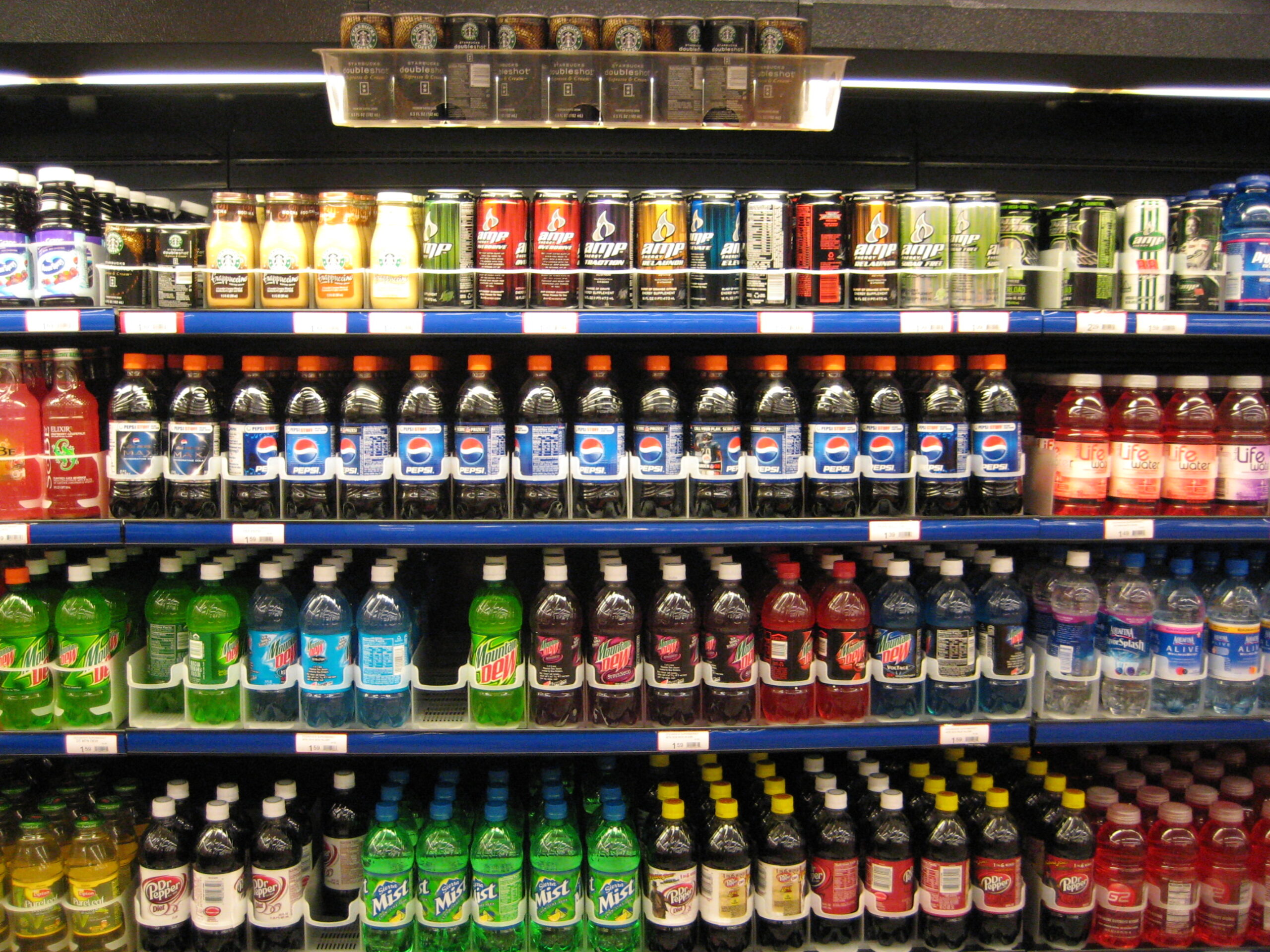
The approval letter defines a soft drink as any nonalcoholic beverage made with carbonated water and sweetened with more than 10 grams of sugar per serving. Drinks that contain milk, milk products, soy, rice or other milk substitutes do not count. Neither do drinks that are more than 50 percent vegetable or fruit juice by volume.
That wording is narrower than some other states’ rules. The text of the letter describes sweetened carbonated drinks, while Kansas extends its restriction to sodas made with artificial sweeteners. USDA’s Hawaii page itself does not define soft drinks beyond the phrase in the waiver, so the approval letter is the clearest statement of the definition available.
The state’s later request to change the date did not rewrite the other terms. The June 2026 modification letter says all other terms in the initial approval, signed Dec. 10, 2025, remain in effect.
Why Hawaii Pushed the Start Date Back
Hawaii asked on May 27, 2026, to move the date to April 1, 2027, according to the USDA’s Federal Register notice page for the state. The modification letter gives two reasons. The delay gives the state more time for retailer engagement and preparation, and it lets the state Department of Human Services better balance staffing during the disaster response to the severe storms of March and April 2026 and the planned replacement of its SNAP eligibility system.
With the new date, the approval runs for two years, through March 31, 2029, the letter says.
The Honolulu Star-Advertiser reported that a federal judge has blocked similar restrictions in Colorado, Iowa, Nebraska, Tennessee and West Virginia, but not in Hawaii. The paper said it had asked the state Department of Human Services and the governor’s office whether that ruling affects Hawaii’s plan, and its article did not include an answer. Readers should treat the April 1, 2027 date as the target USDA lists today, not a settled date.
What Retailers and Families Are Expected to Do
Stores carry much of the work. Under the approval, retailers must confirm compliance before the restriction starts, for example by submitting a self-attestation form. The state has to provide a finalized communications plan and a compliance and monitoring plan, and it must set up a central contact, such as an email inbox or phone line, for retailer questions. Retailers are solely responsible for compliance on third-party online platforms.
USDA’s restriction table lists [email protected] for retailer questions. The USDA page says it will finalize a threshold standard for participating retailers with the state, but it does not set one yet.
The number of households affected is large. The state’s SNAP page says the program helped an estimated 162,475 Hawaii residents in 81,875 households in state fiscal year 2026. The page does not mention the soft-drink restriction, and families with questions can reach the Public Assistance information line at 1-855-643-1643.
Hawaii will also have to measure what happens. The approval letter requires an evaluation with a baseline built from calendar year 2025 transaction data and quarterly reports to USDA. It tracks whether purchases of nutrient-dense foods rise and whether shoppers spend more cash on restricted items or shift to out-of-state and online purchases.
For SNAP households, the change moves soda out of the benefit. A bottle of lemon-lime soda bought before April 1 can still be paid for with benefits, and after that date it cannot. Juice that is more than half real fruit or vegetable juice, and drinks made with milk or milk substitutes, fall outside the waiver’s definition of a soft drink.
Hawaii is one of a growing list of states with a start date on USDA’s table. Ohio’s restriction on sugar-sweetened drinks and fountain drinks carries the same April 1, 2027 target, while Wyoming’s soda restriction is set for Feb. 1, 2027 and Missouri’s for Feb. 15, 2027.
This article was produced with AI assistance and edited for accuracy against the sources linked above.
Image: Marlith – CC BY-SA 3.0/Wikimedia Commons