Temporary Ceasefire Sparks Relief Rally in Markets but Analysts Warn “Nothing Is Fully Stable Yet”
A temporary ceasefire has triggered a wave of relief across global markets, with stocks and risk assets bouncing back after recent uncertainty. However, analysts caution that while sentiment has improved, underlying risks have not fully disappeared.
Markets React Quickly to Reduced Tension
When news of a ceasefire emerges, markets often respond immediately with optimism. Investors who were previously cautious begin to re-enter positions, driving prices higher. This relief rally is fueled by the expectation that short-term risks may ease. However, the reaction is often driven more by sentiment than by long-term fundamentals. As a result, gains can be quick but not always stable. Markets tend to celebrate the pause before fully assessing its durability.
Energy Prices May Stabilize Temporarily
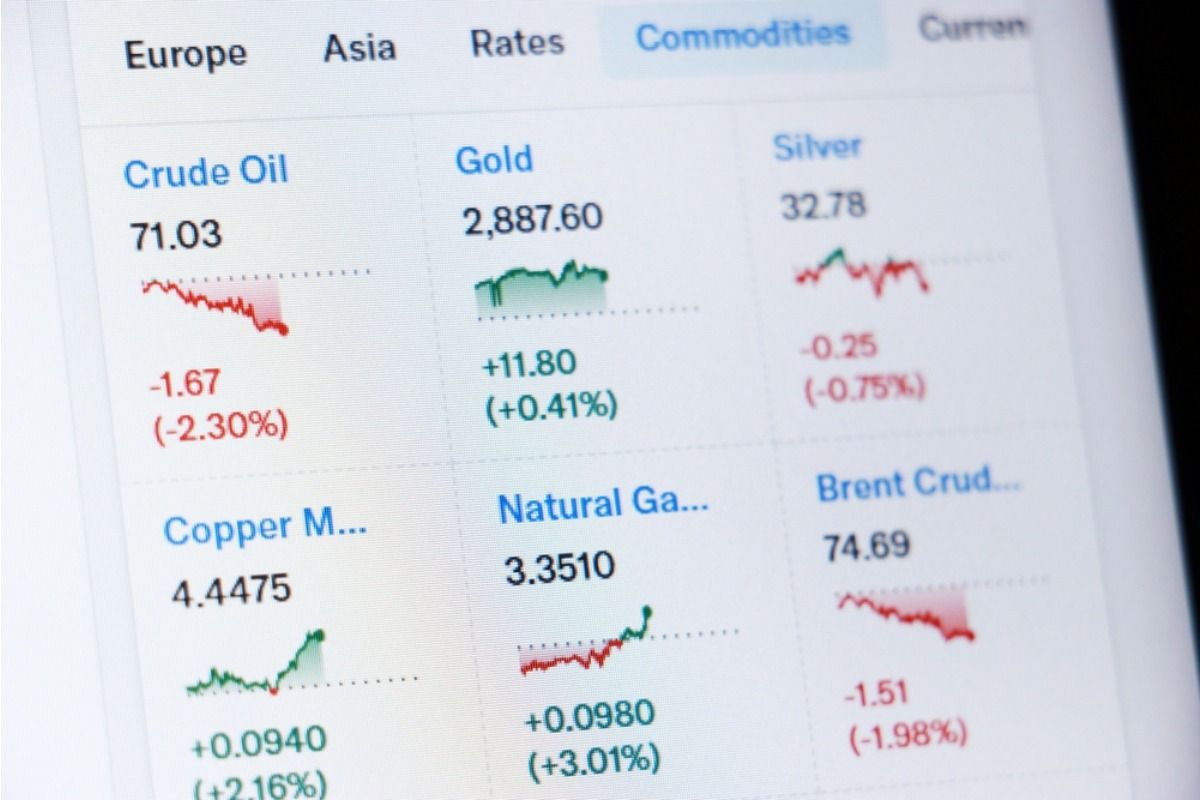
Ceasefires reduce immediate fears of supply disruptions, especially in energy markets. Oil and gas prices may pull back as risk premiums decline. This can ease pressure on transportation, manufacturing, and global supply chains. However, if tensions remain unresolved, prices can rise again just as quickly. The stability depends heavily on how long the ceasefire holds. Even a small setback can reverse these gains.
Investors Remain Cautious Beneath the Surface
Despite the rally, many investors are not fully confident in the situation. Some may use the upward movement as an opportunity to reduce risk rather than increase it. This creates a mixed market environment where optimism and caution exist together. Trading volumes may reflect both buying and profit-taking at the same time. This balance can limit how far markets move upward. It also keeps volatility present.
Uncertainty Still Shapes Expectations
A ceasefire pauses conflict but does not necessarily resolve it. Key issues may remain unresolved, leaving room for future escalation. Markets are aware of this and continue to factor in potential risks. This ongoing uncertainty prevents a full return to confidence. Investors may remain sensitive to any new developments. Even small changes in the situation can trigger strong reactions.
Relief Rallies Can Be Short-Lived
Historically, relief rallies driven by temporary events can fade if underlying problems persist. Once the initial optimism passes, markets begin reassessing real conditions. If no long-term solution emerges, prices may stabilize or reverse. This makes it important to distinguish between short-term sentiment and lasting change. Not all rallies signal a full recovery. Some are simply reactions to temporary calm.
Volatility Is Likely to Continue
Even with improved sentiment, market volatility often remains elevated. Traders continue to react quickly to news, rumors, and geopolitical signals. This creates sharp movements in both directions. Stability usually returns only when uncertainty significantly decreases. Until then, markets may continue to swing. Investors need to navigate both optimism and risk at the same time.
The Bigger Picture Remains Unresolved
While the ceasefire offers short-term relief, the broader situation is still developing. Long-term stability depends on deeper resolutions rather than temporary pauses. Markets are watching closely for signs of lasting agreements. Until then, confidence is likely to remain cautious. The current rally reflects hope, but not certainty.
The relief rally shows how quickly markets respond to positive developments, but it also highlights how fragile that optimism can be. Until underlying tensions are fully addressed, stability remains uncertain and subject to change.