Social Security Disability Recipients Can Earn Up to $1,770 a Month in 2027 Before Benefits Are at Risk, Up From $1,690
For a Social Security disability beneficiary who picks up a few part-time shifts, the question is rarely about the paycheck itself. It is whether those extra hours put the monthly disability check in danger. In 2027 the line is a little higher: the Social Security Administration says the monthly earnings amount that counts as substantial work rises to $1,770 for non-blind beneficiaries, up from $1,690 in 2026.
The same SSA fact sheet sets the figure at $2,950 a month for people who are statutorily blind, up from $2,830. Those numbers matter most to people who are trying to work without losing the benefit they depend on.
The $1,770 line and the $2,950 line for blind beneficiaries
SSA calls the threshold “substantial gainful activity,” or SGA. According to the agency’s SGA page, a person whose monthly earnings are above the SGA amount, after impairment-related work expenses are subtracted, is generally treated as engaging in substantial work. The page lists the amounts side by side: $1,690 for non-blind beneficiaries in 2026 and $1,770 in 2027, and $2,830 for blind beneficiaries in 2026 and $2,950 in 2027.
That is an $80 increase for most beneficiaries and a $120 increase for blind beneficiaries. The new amounts arrive alongside the 3.6% cost-of-living adjustment that SSA says will reach 76 million Americans in 2027.
The SGA page also notes that the blind amount does not apply to Supplemental Security Income (SSI), while the non-blind SGA amount applies to both Social Security disability and SSI.
A lower bar first: the $1,270 trial work month
The SGA figure is not the first number that matters for someone who has just started working. SSA’s trial work period page says any month with earnings above $1,210 counts as a trial work month in 2026, and that the amount rises to $1,270 in 2027.
Services have to be performed in at least nine months, and those months do not have to be consecutive. They must fall within a rolling 60-month period. SSA’s page on working while on disability says there is no cap on earnings during those nine months, and the full disability payment keeps arriving. The trial work period does not apply to SSI.
The amounts are different, and the difference is easy to miss. A month above $1,270 uses up one of the nine trial months. A month above $1,770 is what SSA measures against once the trial is over.
What happens after the nine months
After the trial work period, SSA describes a 36-month extended period of eligibility. In that stretch, the SGA amount works as the limit: the agency says the 2026 limit is $1,690 a month, or $2,830 for blindness, and that no payment is made for any month in which earnings go over it. A month at or under the limit still gets a check.
If earnings stay above the limit after that period, SSA says the benefit typically ends. A person who stops working can ask to have benefits restarted. The figure to watch in 2027 is the new $1,770.
The limit can also be raised in some cases. During the extended period, SSA says disability-related work expenses can raise a person’s earnings limit by up to their value, and an employer subsidy, such as paid breaks or a lighter workload, can raise it by up to that amount. SSA contacts the employer to determine the subsidy’s value.
Medicare is part of the math as well. SSA says Part A stays available at no cost during the trial and the 93 months that follow, and Part B can be kept by continuing to pay its premium. Someone weighing a raise or more hours may want to look at that coverage alongside the paycheck. SSA’s own disability page covers the full rules.
Reporting work, and where to get help
SSA’s reporting page states that work status and income changes must be reported. The agency’s page on reporting work and income changes lists three ways to do it: by phone at 1-800-772-1213, through a Social Security online account for wages, or with Form SSA-795, a written statement. SSA says reporting helps avoid overpayments, which can affect the payment amount. The page does not give a specific deadline, only that changes should be reported as they happen.
For people who want help figuring out how a job will affect their benefits, SSA’s Ticket to Work program describes itself as free employment support. It lists help understanding how work will affect benefits, training, job search assistance, and work incentives that can help people keep their health coverage. Its help line is 1-866-968-7842.
What the new numbers mean for monthly budgets
For a beneficiary earning near the line, $80 more room means a few more hours a month before the threshold comes into play. For a blind beneficiary, the $120 gain moves the line to $2,950.
The same fact sheet also puts the average disabled worker’s benefit at $1,701 a month after the 3.6% increase, up from $1,642, so the work limit and the average check sit close together. The SSI student exclusion also moves up to $2,500 a month in 2027.
Anyone close to one of these lines can check their own numbers with SSA through their online account or the national number before changing hours. The thresholds are monthly, and they apply to earnings counted by SSA, not simply the amount on a paycheck.
This article was produced with AI assistance and edited for accuracy against the sources linked above.
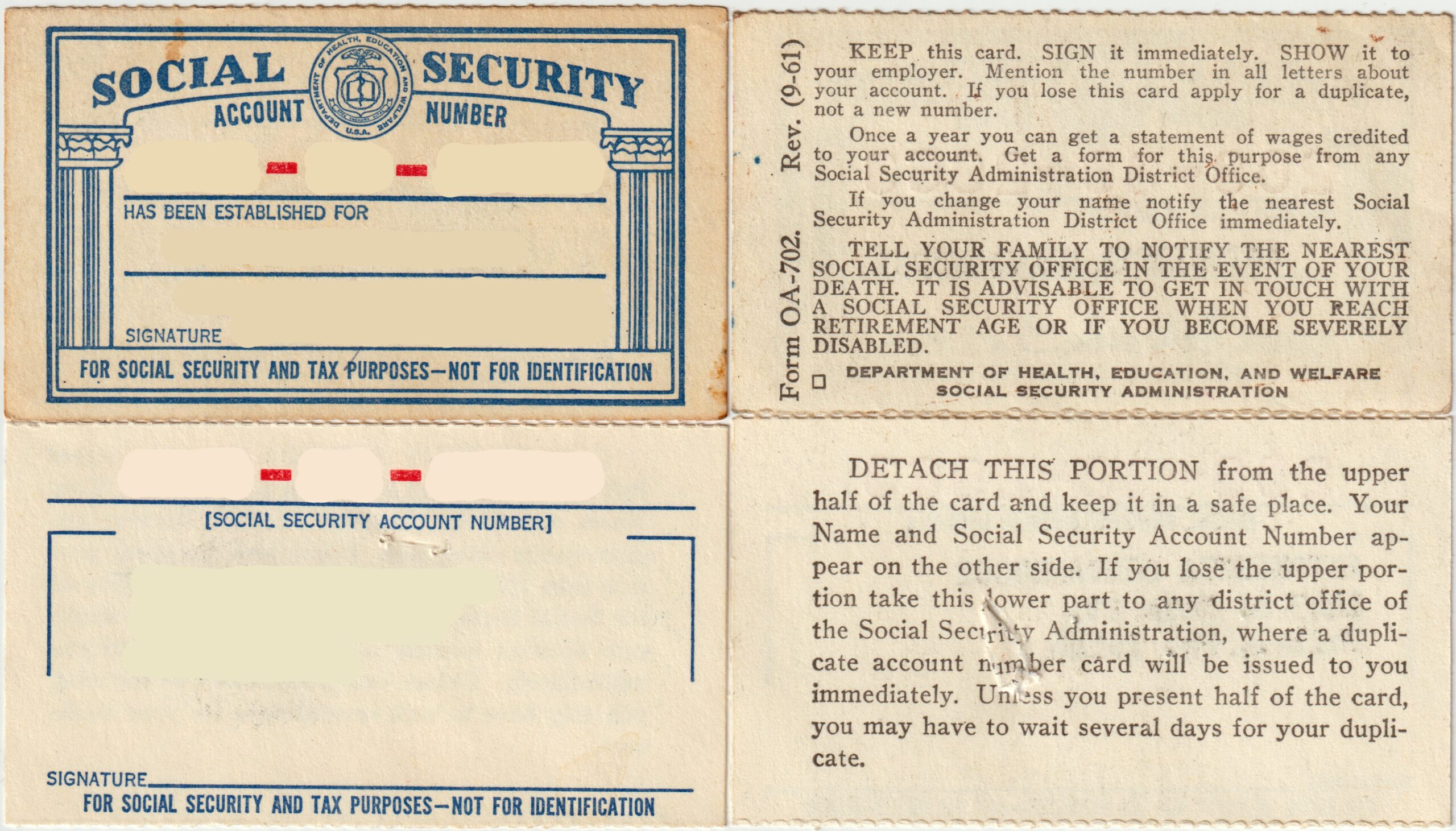
Image: N Giovannucci, CC BY-SA 4.0, via Wikimedia Commons