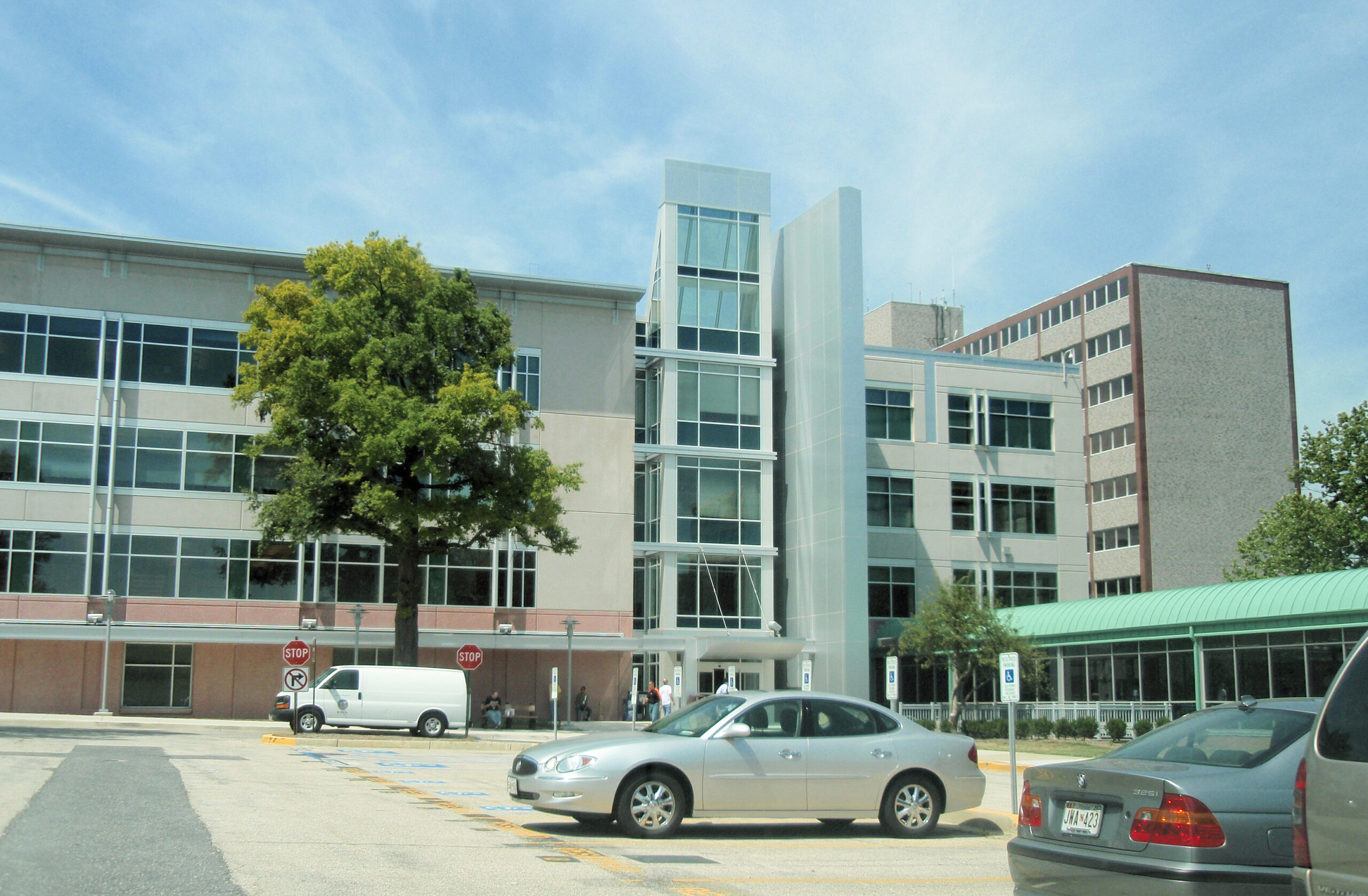
The Average Social Security Disability Check Rises From $1,642 to $1,701 Starting With January Payments
Social Security’s disability checks are getting a little bigger in the new year. The Social Security Administration estimates the average disabled worker will receive $1,701 a month once the 2027 cost-of-living raise takes effect, up $59 from $1,642.
The increase shows up in the first payments of January, and it comes with a second change that matters just as much to people who work part time while collecting: the monthly earnings line that the agency uses to judge whether someone can work is moving up too.
The new averages for disabled workers and their families
The figures come from the agency’s 2027 COLA fact sheet, which lists estimated average benefits in January 2027 before and after the 3.6% raise.
For all disabled workers, the average goes from $1,642 to $1,701. For a disabled worker with a spouse and one or more children drawing benefits on the same record, the family average goes from $2,970 to $3,077, an increase of $107 a month.
Those are averages. Disability benefits are based on a worker’s earnings history before the disability began, according to the agency’s disability benefits page, so individual checks range widely. The 3.6% is applied to each person’s own amount, which means a higher benefit brings a larger dollar raise.
The percentage itself comes from inflation data. The Office of the Chief Actuary’s COLA page shows the third-quarter average of the Consumer Price Index for Urban Wage Earners and Clerical Workers rose from 317.265 in 2025 to 328.746 in 2026, which rounds to 3.6%. The Bureau of Labor Statistics reported the broader all-items index up 3.7% over the year through September.
January paydays for disability benefits
Disability benefits are paid on the same calendar as retirement benefits. The agency’s 2027 payment schedule sets the first raised deposits on Wednesday, Jan. 13 for beneficiaries born on the 1st through the 10th, Jan. 20 for the 11th through the 20th, and Jan. 27 for the 21st through the 31st.
People who also receive Supplemental Security Income are paid Social Security on the 3rd of the month. In January 2027 that date is a Sunday and the holiday falls on Friday, Jan. 1, so both their SSI and their Social Security for January arrive on Thursday, Dec. 31, 2026.
December’s deposits are still at the 2026 rate. The site’s guides to the Dec. 9 and Dec. 16 payments and the Dec. 23 payment cover those dates.
The work limit rises to $1,770 a month
For disability beneficiaries who work, the number to watch is substantial gainful activity. It is the monthly earnings level the agency uses to decide whether a person is doing significant work. The fact sheet raises it for non-blind beneficiaries from $1,690 a month in 2026 to $1,770 in 2027. For people who are blind, it rises from $2,830 to $2,950.
The agency’s disability page says many beneficiaries may be able to return to work or keep working without losing benefits, and that anyone approved must report changes to work and income. The higher limit gives part-time workers a bit more room in 2027 before their earnings reach that line.
The disability page also notes that the agency periodically checks whether a beneficiary still has a qualifying disability, and that the person must complete a report when a review comes up. If benefits end, the page says, they may be able to be restarted. The raise and the higher work limit do not change any of those rules, but they shift the dollar amounts the rules are measured against.
The amount of earnings needed to earn one Social Security work credit also rises, from $1,890 to $1,970 per quarter, according to the fact sheet. That matters for younger workers building the work history that disability benefits depend on.
The retirement earnings test, which applies to retirement and survivor beneficiaries under full retirement age, is separate. The agency’s COLA information page sets that limit at $25,560 for 2027.
Medicare premiums and the 2027 notice
Many disability beneficiaries are enrolled in Medicare, and the Part B premium is usually taken out of the Social Security deposit. Medicare.gov lists the 2026 standard premium at $202.90 a month, with a $283 annual deductible, and says premiums can change each year. The 2027 figure had not been posted on that page as of Nov. 5.
The agency also shows the exact 2027 amount for Medicare enrollees later than for others. The COLA information page says notices go into the my Social Security Message Center in late November for people who created an account by Nov. 18, and that the 2027 amount for Medicare enrollees becomes available in December, in the mailed notice and online.
The agency’s announcement of the raise says paper notices are mailed in early December. That notice, not the fact sheet’s average, shows what will actually land in the account in January.
Disability beneficiaries who also get SSI
Some disabled workers with low benefits qualify for SSI on top of Social Security. The actuary’s SSI page sets the 2027 federal maximum at $1,029 a month for an individual and $1,544 for a couple, up from $994 and $1,491. SSI is reduced by countable income, including Social Security, so the combined amount depends on the size of the disability check.
For those households, the raise arrives in two pieces on the same day, Dec. 31: a larger SSI payment and a larger January Social Security payment.
Get stories like this by email. Sign up for The Parent Diaries Letter.
This article was produced with AI assistance and edited for accuracy against the sources linked above.
Image: Coolcaesar – CC BY-SA 3.0/Wikimedia Commons