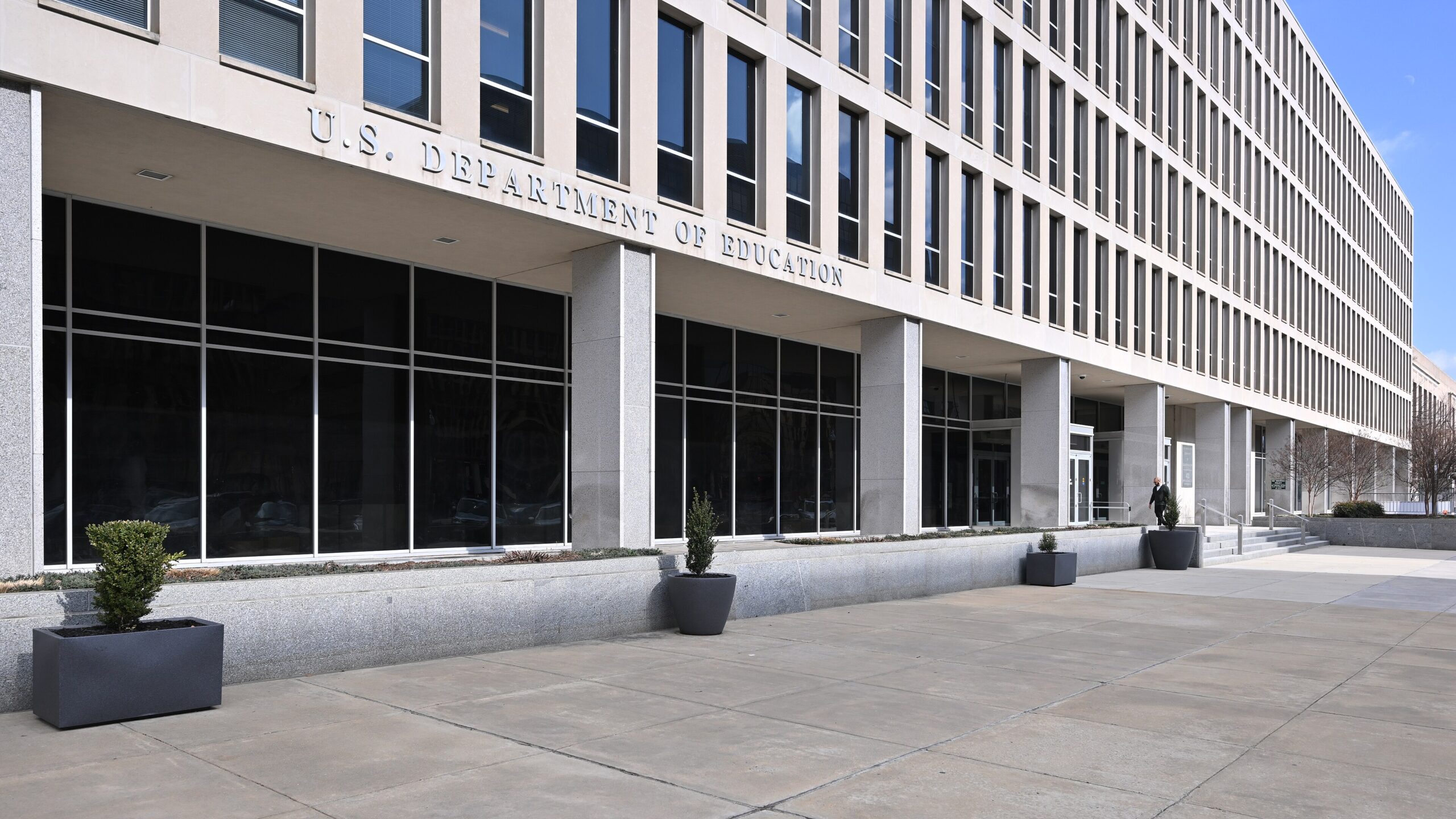
Some Student Loan Borrowers Were Put on the Wrong Income-Based Repayment Plan by Mistake, and Now Have 90 Days to Pick Another or Land on the Standard Plan
A letter from a student loan servicer this week told some borrowers that the repayment plan they had just been moved into was never theirs to begin with. The Education Department says a processing error at one servicer, MOHELA, enrolled those borrowers in the wrong version of Income-Based Repayment, Forbes reported on Nov. 25. They now have 90 days to choose another plan, or they will be placed on the Standard Repayment Plan.
What the Notices Say
The MOHELA notices say the department found borrowers “enrolled in the Income-Based Repayment (IBR) Plan for which they were not eligible.” The letters tell them they must now select a new repayment plan, Newsweek reported.
Borrowers who do not pick a plan within the 90-day window will be moved to the Standard Repayment Plan, which sets fixed payments over 10 years. Consolidation loans can have longer terms. Loans that entered repayment on or after July 1, 2026, will instead be placed on the Tiered Standard Plan.
Borrowers told Forbes the notices never explained the error or named the specific loans or accounts involved. One North Carolina borrower, Sandra West, pointed out that her notice never actually said she had been found ineligible.
How the Mix-Up Happened
IBR has two versions, and borrowers do not get to choose between them. The version is set by when the borrower first took out federal loans.
- Newer IBR: for people who were new borrowers on or after July 1, 2014. Payments are 10% of discretionary income, with remaining balances forgiven after 20 years.
- Older IBR: for borrowers whose first federal loans came before July 1, 2014. Payments are 15% of discretionary income, with forgiveness after 25 years.
According to the department, some borrowers were processed under the newer, cheaper version when they qualified only for the older one. Some were told to reapply for IBR on StudentAid.gov.
The department has not publicly explained how the error happened. A spokesperson said the agency “is aware of an issue impacting a small number of borrowers at one servicer,” that the issue “has been fixed,” and that “the impacted borrowers are being notified of the error.”
How Many Borrowers Are Affected
The department told Forbes that “fewer than 0.1% of borrowers are affected.” The department has not given a count, and the notices went out through MOHELA alone.
The timing has made the error harder to absorb. Many of the affected borrowers had moved into IBR after leaving the SAVE plan, which the department ordered borrowers to exit. The department said the 7.5 million borrowers enrolled in SAVE would get notices starting July 1 giving them 90 days to enroll in a legal plan, or be placed automatically on the Standard or Tiered Standard Plan, according to its announcement.
The shuffle is part of a larger rebuild of federal repayment. The One Big, Beautiful Bill Act phases out the ICR, PAYE and SAVE plans by 2028, though SAVE is ending sooner under a court settlement, Forbes reported. Under that settlement, the department said it will not enroll new borrowers in SAVE and will deny pending SAVE applications.
That process has continued in court. On Nov. 18, a federal judge declined to block the department’s moves to transfer borrowers out of SAVE, Forbes reported, finding the borrowers had not shown irreparable harm from higher payments under plans like IBR.
Options Before the 90 Days Run Out
The department says affected borrowers can apply for an eligible plan through StudentAid.gov’s income-driven repayment page. For borrowers whose first federal loans predate July 1, 2014, the IBR option is the older version, at 15% of discretionary income.
Other options include the Repayment Assistance Plan, which launched in July and bases payments on income and the number of dependents, and the Tiered Standard Plan, which sets fixed terms of 10, 15, 20 or 25 years depending on the total balance, according to the department’s SAVE guidance.
When applying for an income-driven plan, the department says borrowers who consent to let it pull their tax information from the IRS get faster processing.
Borrowers can also reach their servicer directly. MOHELA handles the accounts that received the notices.
IBR itself remains widely available. Parent PLUS loans, and some consolidation loans that repaid Parent PLUS loans, are not eligible.
What Still Isn’t Clear
The department has not said whether payments made while borrowers were on the wrong IBR version will count toward income-driven forgiveness or toward Public Service Loan Forgiveness, which requires 120 qualifying payments. The department told Newsweek that switching plans should not directly affect PSLF progress.
Pressure on the department is building on more than one front. Borrowers and a labor union filed a class action last month over problems in how PSLF is managed, and advocacy groups have called for a nationwide pause on federal student loan payments, according to Forbes.
Borrowers working toward PSLF can follow the program’s status in the site’s earlier report on the department dropping its PSLF rule appeals. Separately, the autopay rate cut deadline of Dec. 31 still applies to federal borrowers who have not signed up, and student loan bills stay due even if federal funding lapses Dec. 11.
This article was produced with AI assistance and edited for accuracy against the sources linked above.