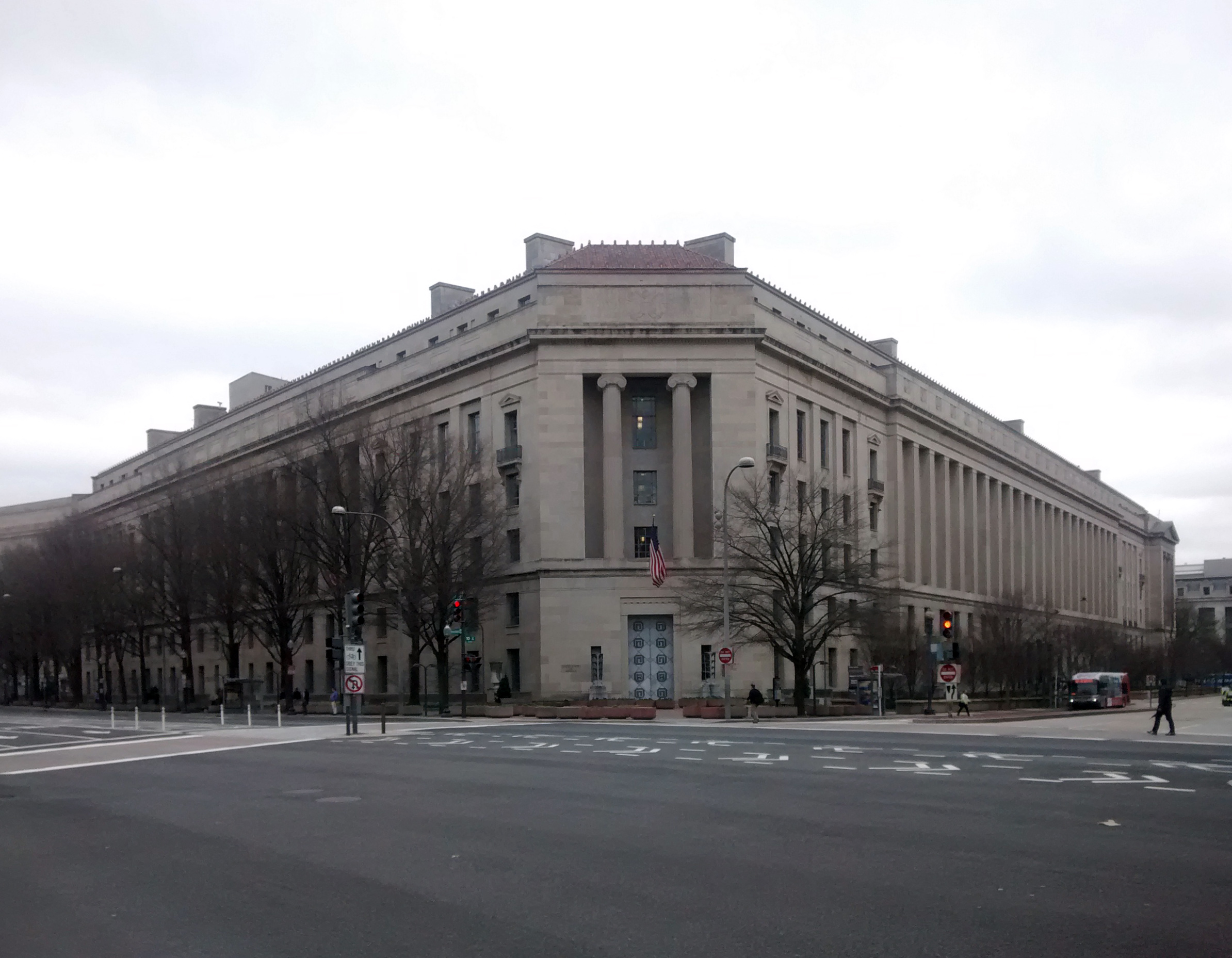
The Justice Department Charged More Than 800 People in Its Largest-Ever Scam Crackdown, After Americans Lost an Estimated $68 Billion to Scams in 2025
Federal prosecutors have charged more than 800 defendants in what the Justice Department calls its largest-ever crackdown on scammers, a push that ran from March into late November and reached call centers far outside the United States. The department announced the results on Nov. 24, as federal agencies opened a holiday campaign urging families to talk about the scams they have seen.
The losses behind the effort are large. Citing Gallup, the department said Americans lost an estimated $68 billion to scams in 2025, and about 10% of U.S. adults experienced a scam in the past year.
400 Cases in 85 Federal Districts
According to the Justice Department’s announcement, prosecutors took action in more than 400 cases against more than 800 defendants across 85 federal districts. Thirty defendants were extradited to face scam charges in U.S. courts, and American prosecutors and agents helped police in more than 10 countries raid foreign scam call centers and compounds.
The surge followed Executive Order 14390, signed March 6, 2026, which directed a government-wide fight against scams. In the month before the announcement alone, the department’s Criminal Division charged more than 30 scam defendants.
Attorney General Todd Blanche said, “Predatory scams against the American people will not be tolerated,” and pledged to keep prosecuting scammers and disrupting the criminal groups behind them.
The Scams Prosecutors Targeted
The department’s list of cases covers schemes run by phone, online and through the mail. Among them:
- Jury duty imposter calls from Georgia, where current and former prison gang members used contraband phones to tell victims they had missed jury duty and would be arrested unless they paid a “fine.” Fourteen people were charged in three indictments, 17 more were charged in state court for smuggling the phones into prisons, and three websites used in the scheme were seized.
- A sweepstakes scheme aimed at elderly Americans, in which a dozen defendants, including several Jamaican nationals, were charged.
- A list broker in Mexico accused of selling the names and contact details of elderly Americans to dozens of scammers.
- A Nigerian national, extradited from the United Kingdom, charged with targeting U.S. service members in a scheme to steal their military pay.
- A Peruvian call center accused of threatening Spanish-speaking Americans with arrest or deportation unless they paid for English-learning products.
- Cryptocurrency investment fraud, including a Cambodia-linked conspiracy tied to at least 174 U.S. victims.
Investment and online schemes produced some of the largest figures. The Securities and Exchange Commission charged 39 entities for filing false Forms ADV, and two firms, BG Wealth Sharing Ltd and DSJ Exchange Pty Ltd, allegedly raised more than $130 million from retail investors. The department also pointed to a Moldova-based online romance scheme that took $440,000 in a single month, and the Secret Service investigated more than 1,540 business email compromise incidents.
The Federal Trade Commission’s own actions in the effort covered government and business impersonation, tech support, debt relief and health insurance schemes, among others.
Nearly $17 Billion Seized or Restrained
Much of the money figure comes from the FBI. Its Operation Blackout seized or restrained nearly $17 billion in illicit funds, took more than 14,000 digital devices and prevented more than $690 million in potential victim losses, the department said. FBI Director Kash Patel warned that anyone who targets Americans will face justice.
Other agencies added their own numbers. The FBI’s Recovery Asset Team has frozen more than $350 million since March 6. The Secret Service restrained more than $200 million and recovered more than $119 million. Homeland Security Investigations seized, restrained, froze or recovered more than $120 million, and the State Department worked with partners to freeze more than $1 billion in stolen cryptocurrency.
FTC Chairman Andrew Ferguson said his agency has returned almost $3 billion to consumers harmed by fraud, and warned that scammers are “living on borrowed time.” That is the FTC’s overall figure, not a total from this crackdown alone.
Where Victims Can Report and Get Help
The Consumer Financial Protection Bureau said in its Nov. 24 statement that it has worked with the Justice Department on the anti-scam effort since March, alongside Homeland Security, the State Department, Treasury, the FBI, the FCC, the FTC, the IRS and the U.S. Postal Inspection Service. The CFPB said it will never contact consumers to demand payment or ask for sensitive financial information, and anyone unsure whether a call or message claiming to be from the bureau is real can check by calling (855) 411-2372.
Suspected scams can be reported to the FTC at ReportFraud.ftc.gov. Older adults and their families can call the Justice Department’s National Elder Fraud Hotline; the department said the FTC has connected more than 365 callers to it since April and given the number to more than 7,100 people who filed online. The FCC has step-by-step guides for turning on call blocking, and anyone pitched an investment can check the seller’s background on Investor.gov.
A Holiday Campaign Asking Families to Share Scam Stories
Alongside the cases, the Justice Department and other agencies are running a public education campaign that asks Americans to use the holiday season to share their scam experiences with friends and relatives.
Readers can also see how scammers have tried to exploit this year’s benefit increase in the Social Security inspector general’s warning about fake COLA “activation” calls, and how the FTC measured fraud against older adults in its report on $3 billion in reported losses.
This article was produced with AI assistance and edited for accuracy against the sources linked above.
Image: Gunnar Klack – CC BY-SA 4.0/Wikimedia Commons