SSI’s Maximum Monthly Payment Rises to $1,029 for an Individual and $1,544 for a Couple, With the Higher Amount Starting Dec. 31
$1,029 a month is the most the federal government will pay one person on Supplemental Security Income starting with the deposit due Dec. 31, and $1,544 is the most it will pay a couple, according to the Social Security Administration. For a household that plans its whole month around SSI, the raise arrives a day before New Year’s Day rather than in January.
The agency says increased payments to about 7.3 million SSI recipients will begin on December 31, 2026. The change follows the 3.6% cost-of-living adjustment announced in October, and it reaches SSI households about a month ahead of the Social Security raise.
The $35 and $53 Gap Between This Year’s SSI Maximums and Next Year’s
The Social Security Administration’s chief actuary lists the 2027 federal SSI payment standards at $1,029 a month for an eligible individual and $1,544 for an eligible couple. The same page gives the 2026 amounts only as annual figures, $11,929.46 for an individual and $17,892.21 for a couple. Divided by 12, those come to about $994 and $1,491 a month, so the raise is roughly $35 a month for a single recipient and $53 for a couple.
Those numbers are ceilings, and many recipients are paid less. SSA’s SSI overview says the monthly payment depends on income, living situation, things a person owns and other factors, so a recipient with other income or shared housing costs can be paid less than the maximum.
The federal amount is also only part of the picture in many states. SSA’s SSI guide says the basic SSI amount is the same nationwide, but many states add money to it, and that recipients can call 1-800-772-1213 to get their state’s amounts.
The old rate still applies to the first deposit of the month. December’s first SSI payment, due Tuesday, Dec. 1, is the last one paid at the 2026 maximum.
Why a January Payment Shows Up on Dec. 31
SSA’s benefit payment rules say SSI is paid on the first of each month and that when the first falls on a weekend, the payment is issued on the preceding Friday. New Year’s Day 2027 is Friday, Jan. 1, according to the Office of Personnel Management’s federal holiday table. Newsweek reported that SSI recipients are paid on Dec. 31, 2026, because Jan. 1 is a federal holiday. SSA’s own announcement ties the higher amount to that same date.
The result is two SSI deposits dated in December, one on Dec. 1 and one on Dec. 31, and none dated in January. The next one after that falls on Monday, Feb. 1, which is an ordinary weekday and so follows the usual first-of-the-month rule. A longer look at the double-deposit month is in an earlier piece on the two SSI payments in December.
For budgeting, the practical difference is timing. A household that pays rent on Jan. 1 will have the money a day early, while bills due in the second half of January have to be covered from a deposit that landed on Dec. 31.
How the Raise Reaches People Who Collect Both SSI and Social Security
Some people receive both programs, which SSA notes in its announcement of the 2027 adjustment. The agency says nearly 72 million Social Security beneficiaries get the 3.6% increase starting in January 2027, and that the average retired worker’s benefit rises about $75 a month. Counting SSI, SSA’s figure for the number of people affected is 76 million.
The Social Security side runs on a different clock. SSA’s COLA effect tables say the adjustment for December 2026 benefits “is first payable in January 2027,” and they estimate the average disabled worker’s benefit at $1,642 before the raise and $1,701 after. The average retired worker moves from an estimated $2,094 to $2,170 on the same page.
People who are paid by both programs see the split in SSA’s 2026 payment calendar, which says that for those who received Social Security before May 1997, or who receive both Social Security and SSI, Social Security is paid on the 3rd and SSI on the 1st. Which of those households are paid on Dec. 31 for January is laid out in the earlier report on the two groups paid on Dec. 31.
The federal figures of $1,029 and $1,544 are the numbers the 3.6% adjustment changes. Any state supplement sits on top of them and is not part of the federal announcement, so a recipient’s total can differ from either figure.
Seeing the New Amount Before the Deposit Lands
SSA’s announcement blog says people with a personal my Social Security account can see their cost-of-living notice online starting in late November, and that people not enrolled in paperless notices receive a mailed notice in December. The agency says anyone without an account needs to create one by Nov. 18 to see the notice online.
A separate notice to advocates signed by SSA’s chief communications officer, Nick Perrine, says people who sign up for digital notices by Nov. 18, 2026 can see their personal COLA online up to three weeks earlier than by mail.
If an electronic payment does not arrive on its due date, SSA’s benefit payment guide says to contact the bank or financial institution first and then call SSA at 1-800-772-1213. The Dec. 31 deposit is the first one paid at the higher rate.
This article was produced with AI assistance and edited for accuracy against the sources linked above.
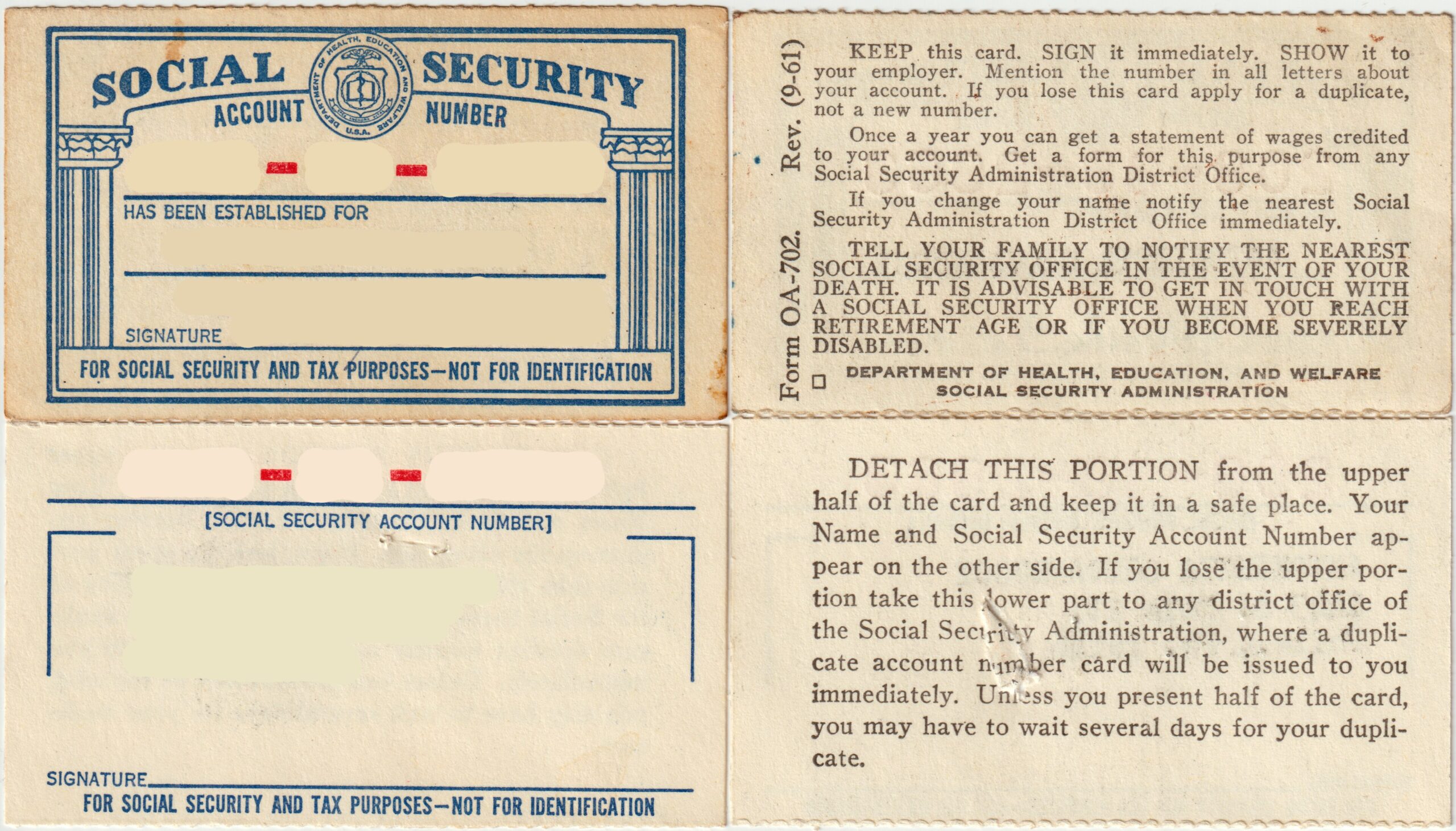
Image: N Giovannucci – CC BY-SA 4.0/Wikimedia Commons