Two Groups of Social Security and SSI Recipients Get Their January Payment on Thursday, Dec. 31, Because New Year’s Day Is a Holiday
For millions of households that budget around the first days of each month, the calendar is about to play a trick. Two groups of beneficiaries will see their January money arrive on Thursday, Dec. 31, 2026, a day before New Year’s and up to three days before the date they usually expect.
The early deposit is not a bonus. It is January’s regular payment, moved up because Jan. 1 is a federal holiday and Jan. 3 falls on a Sunday. And because it is January’s payment, it is also the first one that includes the 3.6% cost-of-living raise for these two groups.
Who gets paid on Dec. 31
The first group is people who receive Supplemental Security Income. SSI is normally paid on the first of the month. The Office of Personnel Management’s federal holiday calendar lists New Year’s Day 2027 on Friday, Jan. 1, so the Social Security Administration pays the January SSI check on the last business day before it, Thursday, Dec. 31.
The second group is beneficiaries whose Social Security is paid on the 3rd of each month. Under the agency’s published schedules, that group includes people who started collecting before May 1997 and people who receive both Social Security and SSI. Jan. 3, 2027 is a Sunday, Jan. 2 is a Saturday and Jan. 1 is the holiday, so the payment rolls back to Dec. 31 as well. Kiplinger’s 2027 payment table lists both groups on Thursday, Dec. 31, 2026.
Everyone else is paid by birthday on Wednesdays. The Social Security Administration’s 2027 payment schedule sets January’s dates at Jan. 13 for birthdays on the 1st through the 10th, Jan. 20 for the 11th through the 20th, and Jan. 27 for the 21st through the 31st.
Why December brings two SSI deposits and January brings none
For SSI recipients, the shift means two deposits land in December. The regular December payment arrives on Tuesday, Dec. 1, according to the agency’s 2026 payment schedule. The January payment follows on Dec. 31. Then nothing arrives in January, because January’s money has already been paid.
That gap can catch people off guard. Rent, utility bills and phone payments due in early January still need to be covered, but the deposit that usually lands on Jan. 1 will already be sitting in the account from the day before. Money spent over the holidays will not be replaced until the February SSI payment, which the 2027 schedule puts on Feb. 1.
The same logic applies to the 3rd-of-the-month group. Their January payment comes Dec. 31, and the next one does not come until Feb. 3, 2027.
The site covered the first of those two December SSI deposits earlier, in its look at the Dec. 1 SSI payment at the 2026 maximum.
How much bigger the Dec. 31 payment is
The agency’s COLA page says the 3.6% increase reaches about 7.3 million SSI recipients starting Dec. 31, 2026, and nearly 72 million Social Security beneficiaries with benefits paid in January 2027.
For SSI, the federal maximums rise from $994 to $1,029 a month for an individual and from $1,491 to $1,544 for a couple, according to the Social Security Office of the Chief Actuary’s SSI amounts page. Those are federal ceilings. A recipient’s actual check is reduced by countable income, and some states add a supplement on top.
The raise itself comes from a formula. The actuary’s latest COLA page shows the third-quarter average of the Consumer Price Index for Urban Wage Earners and Clerical Workers rose from 317.265 in 2025 to 328.746 in 2026, an increase of 3.6% when rounded to the nearest tenth.
For the average retired worker, the agency estimates the monthly check goes from $2,095 to $2,170, according to its 2027 COLA fact sheet. People in the 3rd-of-the-month group will see their version of that increase on Dec. 31, two weeks before the first birthday group.
The same fact sheet puts the average aged couple, with both spouses receiving benefits, at $3,355 a month after the raise, up from $3,238. The average disabled worker goes from $1,642 to $1,701, and the average widow or widower living alone goes from $1,936 to $2,005. Anyone who started benefits before May 1997 has been collecting for nearly three decades, so the couple and survivor averages may sit closer to their situation than the all-retiree figure.
The maximum benefit for a worker retiring at full retirement age in 2027 is $4,188 a month, compared with $4,152 in 2026, according to the fact sheet.
What to watch for before the deposit
The agency says COLA notices will show up in the my Social Security Message Center in late November for most people who created an online account by Nov. 18, 2026. Paper notices go out in December. For beneficiaries enrolled in Medicare, the agency says the 2027 benefit amount becomes available in December, through the mailed notice and the Message Center.
For anyone in the birthday groups, the December dates are unchanged: Dec. 9, Dec. 16 and Dec. 23, as laid out in the site’s guides to the Dec. 9 and Dec. 16 payments and the Dec. 23 payment before Christmas. Those households wait until mid-January for the first raised check, while SSI recipients and the pre-1997 group get theirs before the ball drops.
Get stories like this by email. Sign up for The Parent Diaries Letter.
This article was produced with AI assistance and edited for accuracy against the sources linked above.
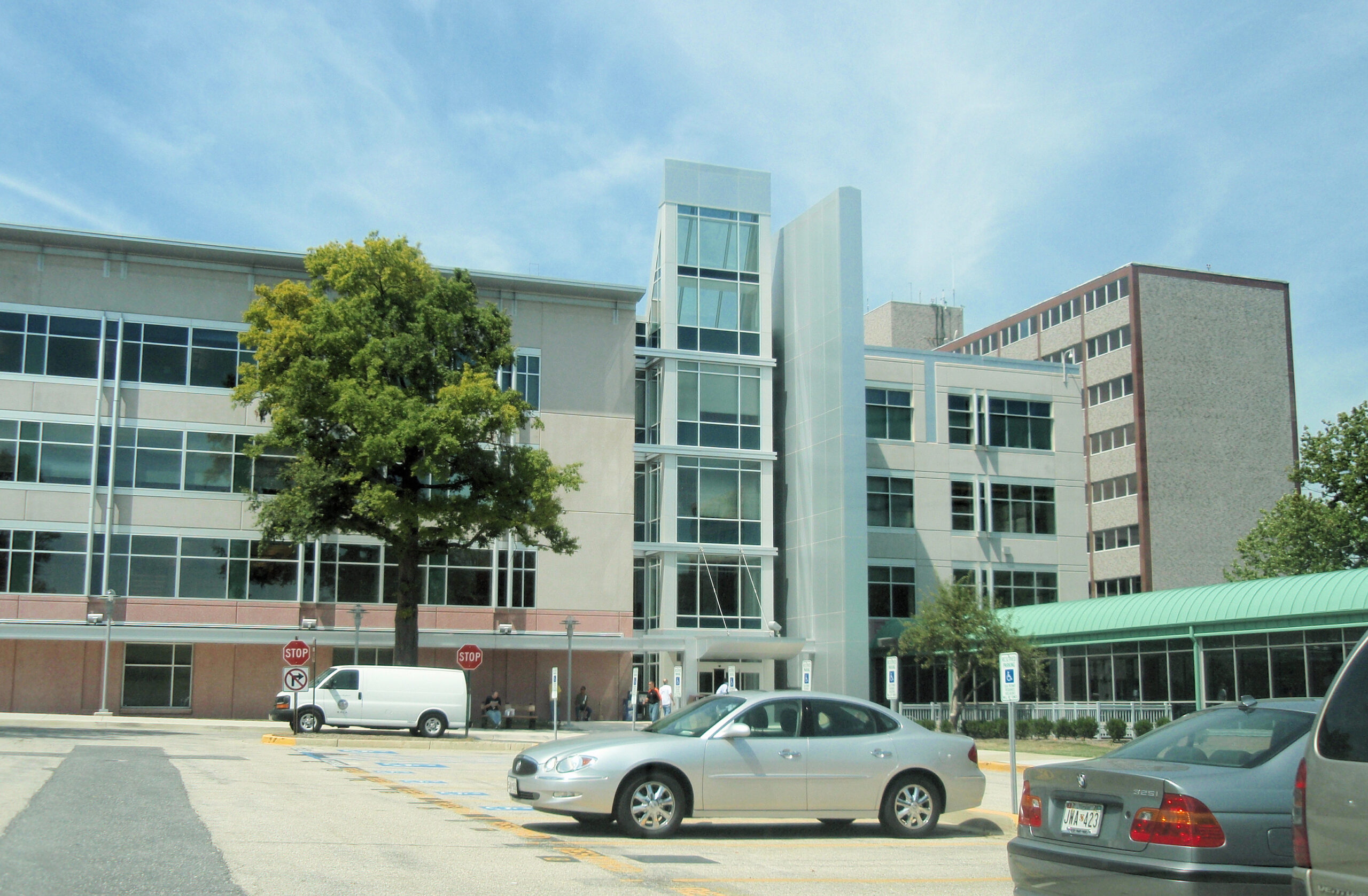
Image: Coolcaesar – CC BY-SA 3.0/Wikimedia Commons