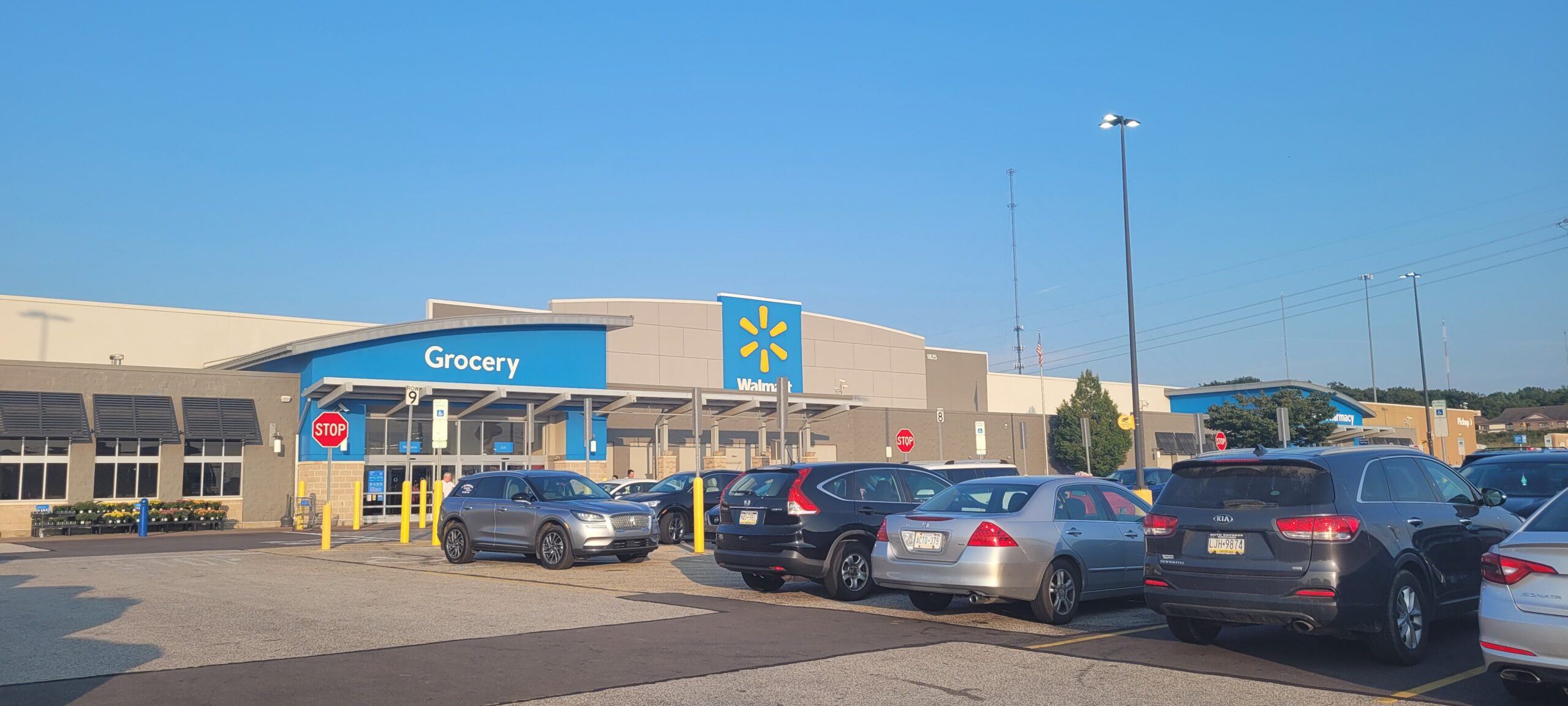
The FTC Is Mailing Checks to 65,022 People Who Sent Money Transfers Through Walmart, Totaling More Than $9.8 Million
The Federal Trade Commission has begun sending checks totaling more than $9.8 million to people who used Walmart’s in-store money transfer service. The agency says 65,022 checks are going out, and anyone who gets one should cash it within 90 days.
The payments trace back to a fraud case the FTC brought against Walmart in 2022 and settled in 2025. The agency’s Walmart refund page, dated October 2026, is the official record of the round.
Who Is Getting One of the 65,022 Checks
According to the FTC, the checks are for people who completed eligible money transfers at Walmart between January 2015 and December 2024. The agency’s page does not list how much each person will receive, and it does not say how recipients were chosen.
Dividing the total by the number of checks works out to roughly $150 apiece on average, but that is simple arithmetic, not an FTC figure. The trade news site PPC Land made the same calculation and noted that the FTC has not said whether payments are equal or scaled to losses.
The eligibility window is a full decade, January 2015 through December 2024. That is longer than the 2013 to 2018 stretch the FTC highlighted in its original complaint, so the refund covers transfers made well after the period the lawsuit described in detail. The FTC’s page does not say whether anyone is excluded within that window.
People with questions about a check can call the refund administrator, Rust Consulting, at 1-833-472-1990. The FTC’s page lists that number alongside its refund FAQ.
What the FTC Said Went Wrong at the Counter
The FTC sued Walmart on June 28, 2022, in federal court in Northern Illinois. The complaint said Walmart ignored fraud risks for years while offering money transfers as an agent for MoneyGram, Ria and Western Union.
The agency alleged that from 2013 to 2018, more than $197 million in payments tied to fraud complaints were sent or received at Walmart. It said another $1.3 billion in related payments might also have been connected to fraud.
The complaint quoted a Walmart reference guide that told employees to complete the transaction if fraud was suspected. The FTC also alleged that Walmart had no written anti-fraud program until November 2014 and that staff training to deny suspicious payouts did not begin until at least May 2017, and then only at some locations.
Samuel Levine, who then led the FTC’s Bureau of Consumer Protection, said Walmart “looked the other way and pocketed millions in fees” while scammers used its services.
The complaint described other gaps as well. It said Walmart paid out even large transfers in cash, that scammers used fake IDs to collect them, and that required fraud warnings were missing or reduced to small print after a paper send form was replaced. Some employees, the FTC alleged, received little or no anti-fraud training, and a few accepted cash tips from scammers or were complicit.
The agency also said the Telemarketing Sales Rule has barred money transfers as payment for telemarketing purchases since 2016, and that Walmart did not take steps to comply for years. The FTC asked the court to order Walmart to return money to consumers and to pay civil penalties, which is the path that ended in this refund round.
How the Case Ended in a $10 Million Settlement
Walmart agreed in June 2025 to pay the FTC $10 million. In a statement dated June 20, 2025, the company said the FTC would dismiss the case with prejudice, that Walmart would keep its program for preventing fraud-induced money transfers, and that it admitted none of the allegations.
Trade outlet Payments Dive reported that Walmart “neither admits nor denies” the allegations and agreed to provide money transfers only with timely and appropriate action to detect and prevent fraud.
The checks now going out total more than $9.8 million, close to the $10 million settlement.
The 90-Day Clock and the Scam Warning
The FTC’s instruction for recipients is short: cash the check within 90 days.
The agency also repeats a warning that applies to every refund round. On its refunds overview, the FTC says it will never threaten people, tell them they must transfer money to get a refund, or promise a prize. Anyone asked to pay a fee, send a gift card or wire money to receive a Walmart refund is dealing with a scammer, not the FTC. Suspected impersonators can be reported at reportfraud.ftc.gov.
Other FTC Refund Rounds Still Landing
Walmart is one of several refund programs the agency has under way. Recent rounds covered on this site include the FTC’s second checks to Publishers Clearing House customers and a second round of Avast refunds, both with their own 90-day cashing windows.
Each program has its own page and its own administrator phone number, so a check from one case does not mean money is owed in another.
This article was produced with AI assistance and edited for accuracy against the sources linked above.
Image: Glenn Samonte – CC BY 2.0/Wikimedia Commons