Noah Wyle and Scrubs Maker FIGS Are Giving $1 Million Each to Wipe Out $200 Million in Medical Debt for More Than 150,000 Americans
“Medical debt follows people home, creates long-term devastation, and changes the whole experience of care,” actor Noah Wyle said as he and the scrubs company FIGS announced a three-year plan to pay for relief. Wyle and FIGS will each give $1 million to the nonprofit Undue Medical Debt, which projects that the gifts will wipe out at least $200 million in medical debt for more than 150,000 Americans, according to the partners’ Nov. 17 announcement.
The first round of debt relief is timed for the upcoming holidays.
Where the $200 Million Comes From
The figure is a multiple, not a pile of cash. Undue Medical Debt says it abolishes an average of $100 in qualifying medical debt for every $1 donated. Two $1 million gifts total $2 million, and at that average rate the relief reaches $200 million.
The group’s own site describes the scale the same way. Undue’s homepage says every $10 donated relieves $1,000 of medical debt on average for families in financial need. The $200 million is a projection, and the announcement calls it “at least” that amount, so the real total depends on the debt Undue is able to buy.
Three Years of Gifts and a First Round Before the Holidays
The money does not arrive at once. Wyle and FIGS are spreading their $1 million gifts over three years, and the partners plan to deliver the first round of relief in time for the holidays, Fortune reported. Fortune’s headline described the effort as “half philanthropy and half protest.”
FIGS chief executive Trina Spear said the partnership can help people right away and give health care workers better tools. Undue president and chief executive Allison Sesso said trust is “the bedrock of the relationship between patients and clinicians like nurses, pharmacists and doctors.”
The partners also plan to build resources for health care workers on how to talk with patients about affordability. That work builds on the “Healthcare is Human” campaign that FIGS and Wyle have run since spring.
How Undue Relief Reaches People
Patients do not apply for this kind of relief. Undue’s site says debt relief letters reach people “out of the blue” every month. Its separate get help page does not describe a sign-up process. It points instead to other routes, including hospital financial assistance, payment plans and a free service called Dollar For that helps people find out whether they qualify for hospital aid.
That page says each hospital sets its own rules for who qualifies for financial assistance. It adds that people may still qualify with insurance, a job or a bill more than a year old.
No sources say which debts will be covered in the first round. Undue has not named the hospitals or states involved.
How Common Medical Debt Is Right Now
The Urban Institute found in its December 2025 survey that 26.6% of U.S. adults said they or a family member owed medical debt. The institute published the results on Oct. 6, 2026, and based them on a survey of more than 10,000 adults during 2025.
The announcement cites a separate estimate that Americans owe about $220 billion in medical debt. Against that total, $200 million is a small share. Fortune reported that Wyle described the effort as meant to underscore the need and push for better solutions.
The site has covered the same problem from the patient side, including how unexpected medical bills push insured Americans into debt.
A Partnership That Started in May
The debt pledge follows an earlier deal. In a May 7 announcement, FIGS said Wyle would serve as its brand ambassador and that the company would donate $1 million over the coming years to help reduce medical debt.
The same release described the Healthcare is Human Act, a bipartisan bill introduced by Reps. Claudia Tenney, a New York Republican, and Steven Horsford, a Nevada Democrat. It would give health care professionals in communities hit hardest by staffing shortages a federal tax credit of up to $6,000 a year. The release listed the bill as proposed legislation, and it has not become law.
This article was produced with AI assistance and edited for accuracy against the sources linked above.
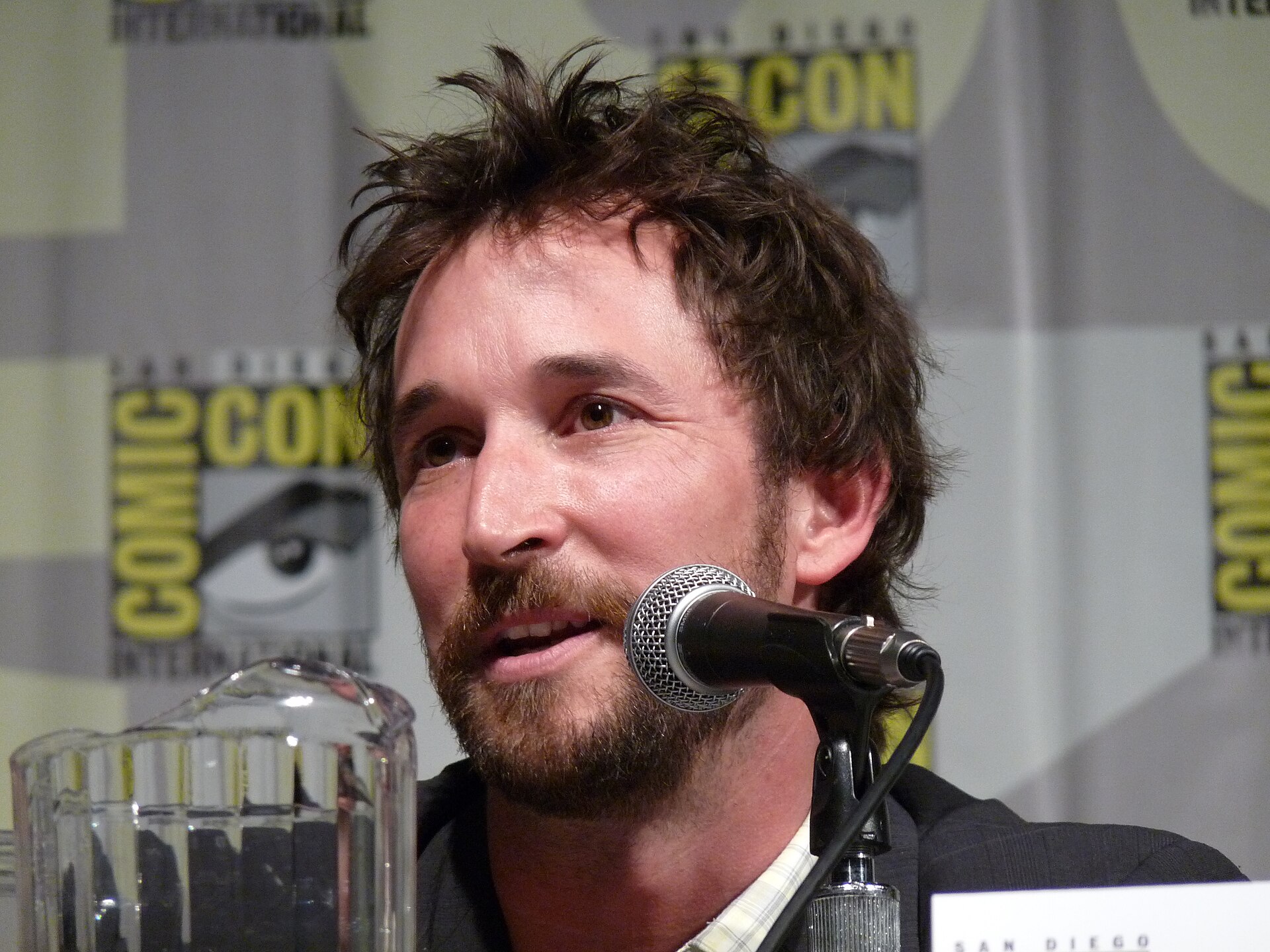
Image: starbright31 – CC BY-SA 2.0/Wikimedia Commons