
Streaming Services Keep Raising Prices and Adding Tiers, and Users Say “It’s Starting to Feel Like Cable Again”
Streaming services keep raising prices and introducing new tiers, and many users are starting to feel like the simplicity that once defined streaming is fading away.
Subscription Costs Are Gradually Increasing
What began as low-cost alternatives to traditional TV has become more expensive over time. Individual platforms have raised monthly prices, sometimes more than once. While each increase may seem small, the total adds up across multiple subscriptions. Users are noticing the shift. Affordability is changing.
Multiple Services Are Now Needed
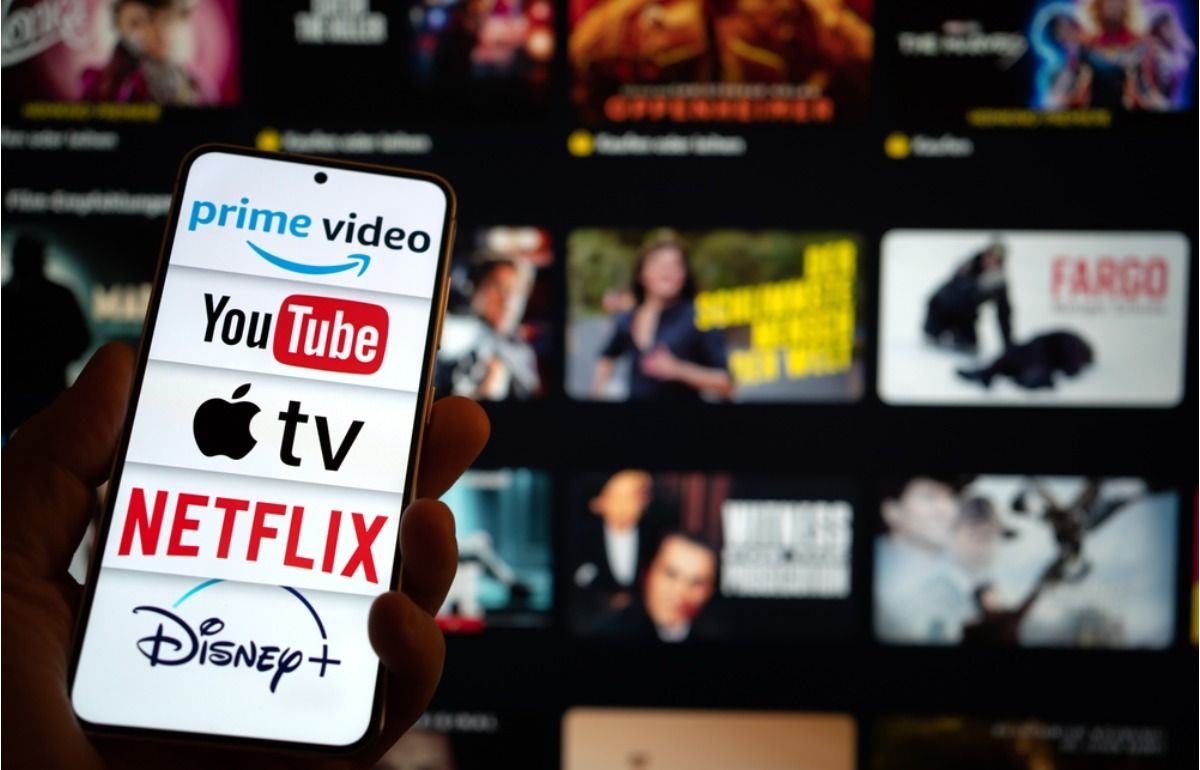
Content is spread across different platforms, so viewers often subscribe to several services at once. One platform rarely offers everything. This leads to stacked subscriptions. The combined cost can rival older cable packages. Convenience comes with a price.
New Pricing Tiers Add Complexity
Many services now offer multiple plans, ad-supported, standard, premium, and more. While this provides choice, it also makes decisions more complicated. Users have to compare features and limitations. The experience becomes less straightforward. Simplicity is reduced.
Ads Are Making a Comeback
Lower-priced tiers often include advertisements, something streaming originally moved away from. For some users, this feels like a step backward. Paying and still seeing ads creates frustration. The distinction between cable and streaming starts to blur. Expectations are shifting.
Content Fragmentation Is Increasing
Popular shows and movies are often exclusive to specific platforms. This forces users to switch between services to watch what they want. It reduces the convenience of having everything in one place. Content access becomes scattered. Loyalty to one platform decreases.
Subscription Management Is Becoming a Task
Tracking billing dates, plan types, and renewals across multiple services is becoming more complicated. Users are spending more time managing subscriptions. Forgetting to cancel unused services adds extra cost. Organization becomes necessary. Overlaps are common.
Users Are Rotating Subscriptions
To manage costs, some people subscribe to one service at a time and switch monthly depending on what they want to watch. This reduces spending but requires planning. Viewing habits are becoming more strategic. Flexibility replaces permanence. Consumption patterns are changing.
Perceived Value Is Being Questioned
As prices rise, users are evaluating whether each service is worth keeping. Content quality, frequency of new releases, and user experience all factor in. Expectations are higher. Not all subscriptions feel justified. Value is under scrutiny.
The Gap Between Streaming and Cable Is Narrowing
Streaming originally offered flexibility, lower cost, and no long-term commitments. With rising prices, ads, and multiple services, it is starting to resemble traditional cable models in some ways. The difference is less clear than before. The model is evolving.
A Changing Entertainment Landscape
This shift reflects a broader transformation in how digital content is delivered and monetized. Companies are adjusting pricing and structure as competition grows. Users are adapting their habits in response. The system is becoming more complex.
As streaming services continue to evolve, many users are rethinking how they subscribe and watch content. For a growing number of viewers, the experience is no longer just about convenience, it’s about balancing cost, choice, and value.