New York Will Keep Free Breakfast and Lunch for 2.7 Million Students, Worth Up to $1,600 per Child a Year, as Federal Food Aid Cuts Hit
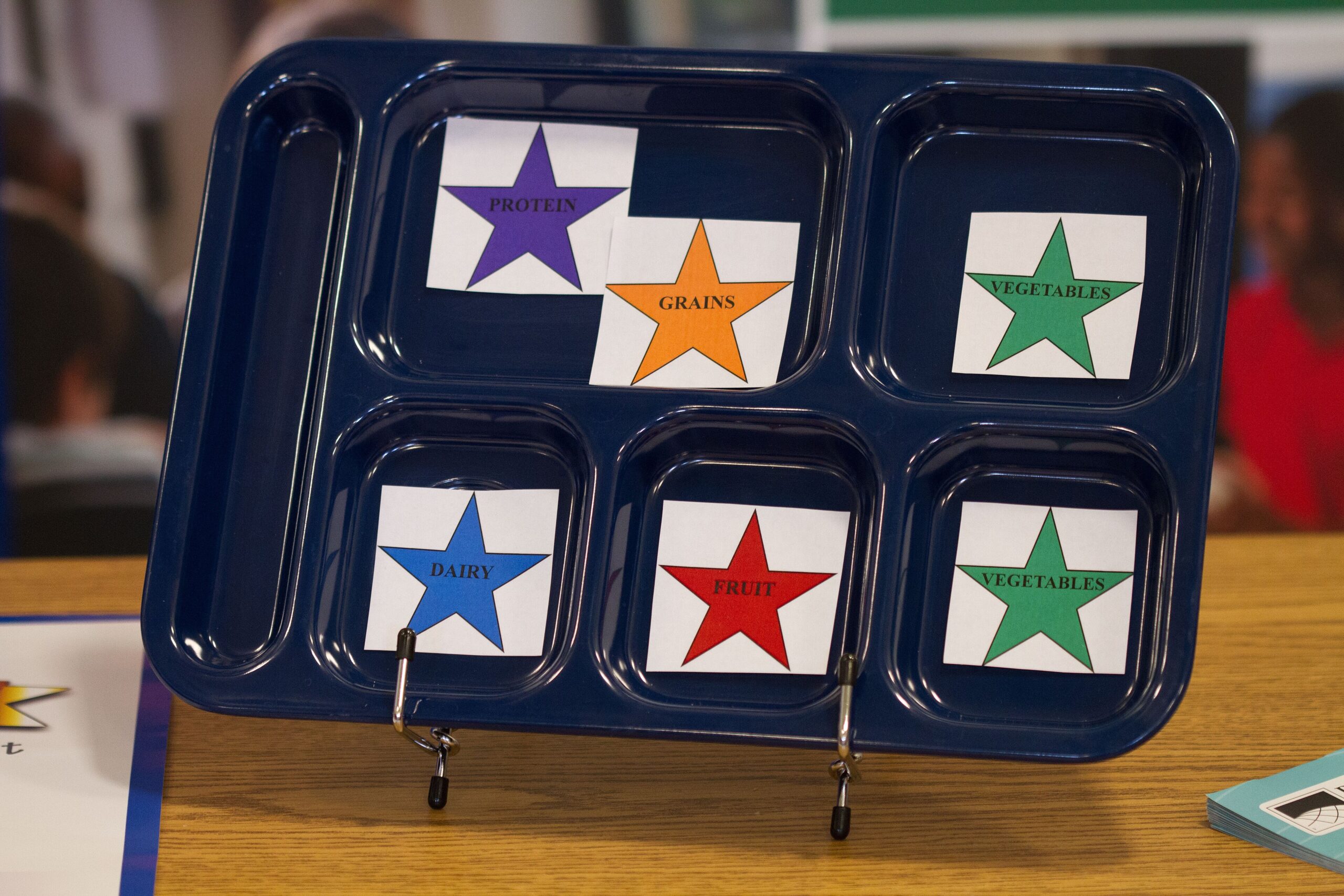
Students in New York schools that take part in the national school lunch and breakfast programs can still sit down to a free breakfast and a free lunch this year, whatever their families earn. Gov. Kathy Hochul said on Oct. 26 that the state will keep fully paying for the program, which reaches 2.7 million students, even as federal changes push families off SNAP.
The governor’s office puts the value for families at up to $1,600 per child per year in grocery savings. The state has set aside $395 million for universal free school meals in its current budget, $55 million more than the year before, according to the governor’s announcement.
Why SNAP Losses Reach the Lunch Line
SNAP and school meals are tied together. New York’s announcement notes that children in households on SNAP or Medicaid are “directly certified” for free meals, meaning they qualify automatically without a paper application.
When a family loses SNAP, that automatic link can break. The governor’s office said federal changes under the HR 1 law are already pushing families with children off SNAP, and that other states are seeing free school meal participation fall as a result.
New York’s answer is to pay the difference itself. The state said the federal cuts “will not result in any New York schools receiving less funding for free meals,” so no student should lose access.
2.5 Million Meals a Day
The program’s scale is large. According to the governor’s office, New York schools serve about 2.5 million free meals per school day, and about 75 million had been served this school year as of late October.
The law requires every school district, charter school and participating nonpublic school in the national school lunch and breakfast programs to serve free breakfast and lunch to all students, regardless of income. Hochul enacted it last year, the release says.
Families who are not certified automatically can apply through the state Education Department’s child nutrition office at cn.nysed.gov, according to the governor’s office. Assemblymember Jessica González-Rojas said in the release that “no child should go hungry and no family should have to struggle to put food on the table.”
Hochul framed the decision as a fight with Washington, calling it “shameful” in the release that President Trump and Washington Republicans are trying to take free school meals away from children. State Sen. Michelle Hinchey said the “Universal School Meals program is succeeding at fighting child hunger.”
The Federal Proposal That Could Widen the Gap
Pressure on school meal rolls could grow. On Nov. 10, the U.S. Department of Agriculture published a proposed rule that would limit automatic SNAP eligibility to households getting direct cash assistance from the Temporary Assistance for Needy Families program, as News4JAX reported from the federal filing.
USDA estimates about 6.3 million people in 3.2 million households would no longer qualify for SNAP once the rule fully takes effect in fiscal 2029. The agency also estimates about 1.78 million children nationwide would lose automatic eligibility for free school meals. Roughly 97% of them would still qualify through the income-based application, and about 28,000 children would have to pay full price, according to the estimate.
The rule is a proposal, not a final change. Public comments are due Dec. 10 on Regulations.gov under docket FNA-2026-0661. The site laid out the plan in its story on the USDA proposal that would cut 6.3 million people from SNAP.
In New York, the state’s universal program means a child’s free lunch does not depend on the family’s SNAP status in the first place.
Food Banks and Benefit Cards
School meals are one part of a wider state response. On the same day, Hochul announced $8.3 million in NY PLATES grants to 59 food banks and emergency food groups for freezers, cold storage and delivery vehicles across the state’s 10 regional food bank territories.
That release lists $189 million for food assistance in the state budget, including more than $72 million for the Hunger Prevention and Nutrition Assistance Program and $55 million for the Nourish NY program, plus $15 million to expand support for regional food banks and pantries. The state also announced another $65 million in emergency food aid in October.
For families still on SNAP, the state is also changing the card. New York plans to start issuing chip-enabled EBT cards in the first quarter of 2027, with about two million new cards expected, according to the governor’s July announcement. The chip is meant to stop skimming, and the release notes that the federal government stopped paying to replace stolen SNAP benefits at the end of 2024.
What It Adds Up To for a Family
For a household with two children in school, the state’s estimate of up to $1,600 per child works out to as much as $3,200 a year in grocery money that does not have to go toward breakfast and lunch on school days.
Across the 2025-26 school year, New York schools provided more than 396 million free meals, according to the NY PLATES release. With the $395 million now in the budget, the state says the free meals continue for every student this year, whether or not their family still has SNAP.
This article was produced with AI assistance and edited for accuracy against the sources linked above.
Image: USDAgov – Public domain/Wikimedia Commons