Pennsylvania Regulators Cut National Fuel Gas’s Requested Rate Hike by About 47% and Ordered a One-Time $30 Credit for Low-Income Customers
National Fuel Gas asked Pennsylvania regulators in January for about $19.7 million more a year from its customers. On Oct. 22, it got about $10.4 million, and an order to hand low-income customers a one-time $30 credit.
The Pennsylvania Public Utility Commission voted 4-1 to approve a rate increase roughly 47% smaller than the company’s original request. The decision covers more than 213,000 natural gas customers in parts of 14 counties in northwest Pennsylvania, and the new rates apply to service on or after Oct. 29, 2026.
$19.7 million requested, $10.448 million approved
National Fuel Gas Distribution Corp. filed for an increase of about $19.7 million in annual base delivery revenue, or 7.4%, on Jan. 28. It was the company’s first rate increase request since 2022 and its third in 20 years, according to National Fuel’s announcement of the filing.
Michael Colpoys, president of National Fuel Gas Distribution, said at the time that the investments behind the request were meant to keep the gas system safe and reliable, and that “affordability also is a top priority.” The filing itself proposed returning $7.2 million collected for retiree health benefits that the company no longer needed.
During the case, the company lowered its request to about $16.189 million, or roughly 6.1%. The commission approved about $10.448 million, or 3.94%. Measured against the original $19.7 million, that is about 47% less.
The commission adopted the decision after modifying a recommendation from Administrative Law Judge Katrina L. Dunderdale. The case is docket R-2025-3059428.
Who gets the $30, and the refund for everyone else
The credit money comes from a $7 million customer refund. National Fuel over-collected from customers for Other Post-Employment Benefits, a category that covers retiree health costs, and the commission ordered the money returned.
Low-income customers get a one-time $30 credit from that refund. All customers also get an additional surcredit spread over one year, the commission said. Its release did not spell out the exact low-income test or the date the $30 lands on bills.
The commission did order National Fuel to contact the customers who receive the $30 credit and check whether they qualify for its universal service programs.
What the original request would have meant for a typical bill
When the commission opened its investigation, it laid out what the full request would do. A residential customer using 80 Ccf a month would have seen the total monthly bill rise from $83.49 to $88.44, or 5.9%, the PUC said in February. The company also wanted to raise its fixed monthly customer charge by $5, from $14 to $19, a 35.7% increase.
That fixed charge drew some of the sharpest objections. In an Aug. 24 filing, the Coalition for Affordable Utility Services and Energy Efficiency in Pennsylvania, known as CAUSE-PA, argued for keeping it at $14, noting it already makes up 16.8% of a customer’s bill. The administrative law judge had recommended capping it at no more than $15.80. The commission’s October release said only that National Fuel must file a compliance tariff showing revised rates and any customer charge changes for every class, without giving a final figure. It also did not list a new typical monthly bill under the reduced increase.
The judge’s recommended decision had also set the company’s allowed return on equity at 9.74% and used a capital structure of 50% equity and 50% debt, rather than the 56.4% equity National Fuel proposed, according to the CAUSE-PA filing, which backed both. The commission’s release did not say whether those figures survived in the final order.
Conditions attached to the 4-1 vote
The order adds several requirements aimed at customers who struggle with bills. National Fuel must track the total and average debt carried by customers in its Customer Assistance Program, and file a written plan to fully spend its Low Income Usage Reduction Program budget each year, including by opening it to mobile home residents.
The company must also track service terminations, delays and denials tied to health and safety conditions in homes, and document how it connects those customers with repair help. It must file a plan to raise voluntary donations to its Neighbor for Neighbor Hardship Fund with its next base rate case, and move residential customers to fee-free online payments, with the company covering the cost.
The commission declined to make National Fuel’s weather normalization adjustment permanent. That pilot, which adjusts bills when weather is warmer or colder than normal, continues until the next rate case with a 5% deadband. CAUSE-PA had argued the adjustment produced nearly $6.5 million in net additional residential charges.
A five-year energy efficiency pilot starts this fall, offering rebates for high-efficiency furnaces, boilers and water heaters and Energy Star gas clothes dryers. National Fuel must report each year on savings, participation, spending and cost-effectiveness.
New rates for gas used on or after Oct. 29
The approved rates apply to service rendered on or after Oct. 29, so bills covering gas used from that date forward reflect the change. The PUC’s February release had set Oct. 29 as the deadline for a final decision.
Public input hearings were scheduled in Erie, at the Bayfront Convention Center, on March 31 and by phone on April 2, according to a March PUC notice, which pointed customers with questions to the state Office of Consumer Advocate at 1-800-684-6560.
The base-rate change is separate from National Fuel’s quarterly gas supply adjustments, which pass market gas costs through to customers without markup, the company has said. Households in the region facing a heating emergency this winter can also look to Pennsylvania’s LIHEAP crisis grants, which open Nov. 2.
Get stories like this by email. Sign up for The Parent Diaries Letter.
This article was produced with AI assistance and edited for accuracy against the sources linked above.
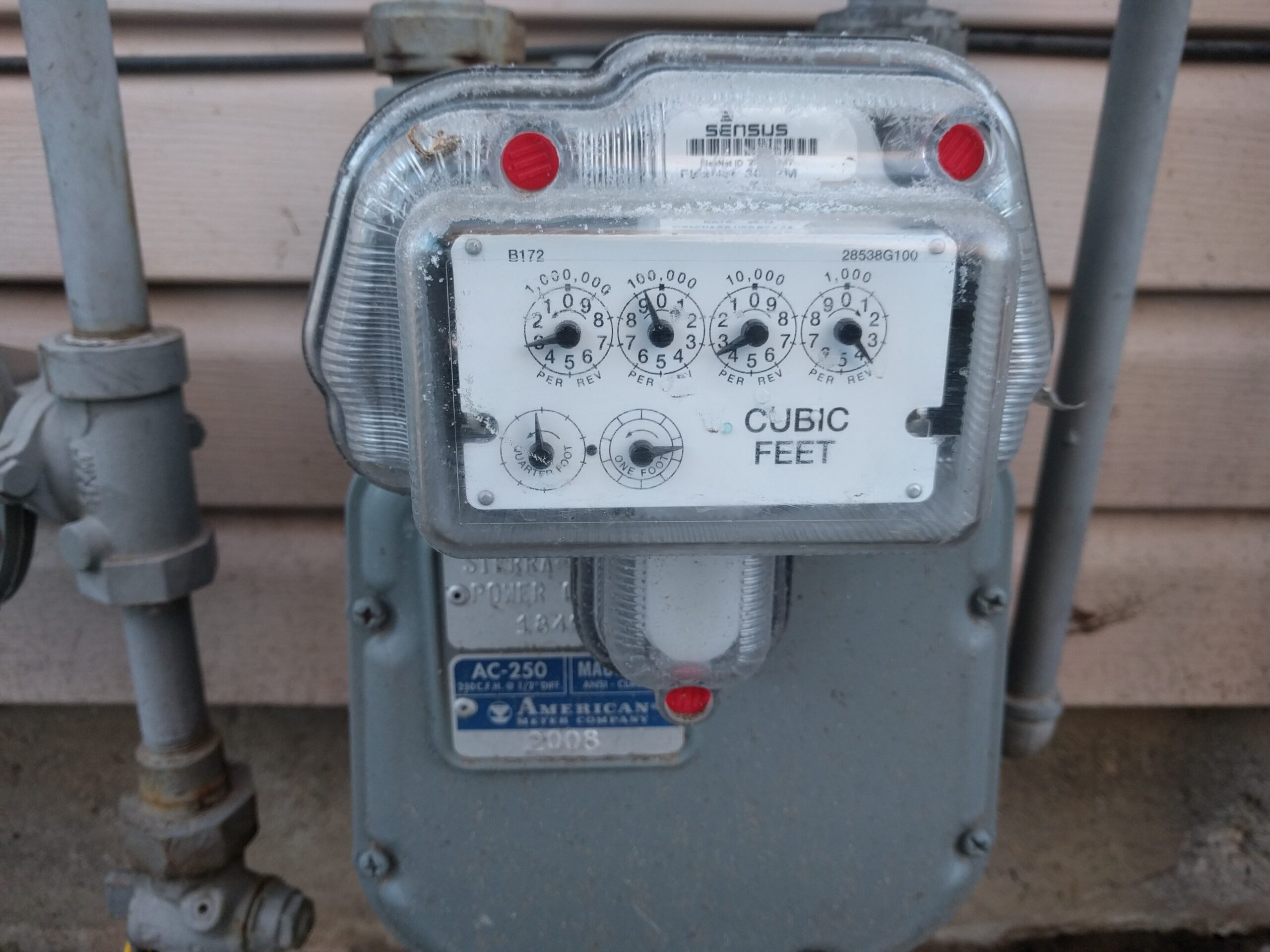
Image: Tim36272 – CC BY-SA 3.0/Wikimedia Commons