Buy Now Pay Later Apps Are Facing Growing Pushback as Users Say “It’s Too Easy to Lose Control of Spending”
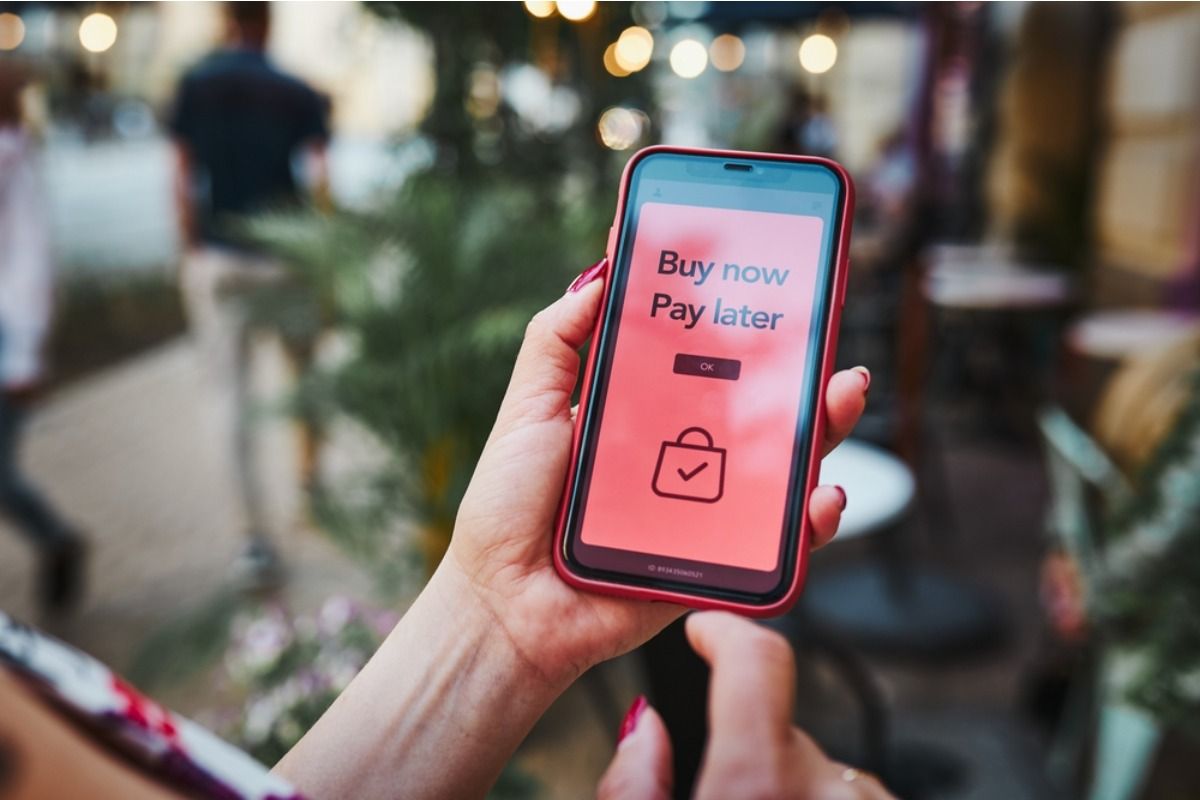
Buy Now Pay Later apps are facing growing pushback as users say “it’s too easy to lose control of spending,” with what was once promoted as flexible budgeting now being criticized for encouraging habits that feel harder to track over time.
It Started as a Convenient Payment Option
At first, Buy Now Pay Later services felt simple and helpful. Splitting payments into smaller installments made purchases more accessible. People used them for clothing, electronics, and everyday shopping. And the system seemed easy to manage. Until usage started increasing.
Small Purchases Turned Into Multiple Plans
Users began noticing how quickly small items added up. One purchase became several active repayment plans. Each one seemed manageable alone. But together, they created a growing list of obligations. And that made tracking more complicated.
Spending Didn’t Always Feel Like Spending
Because payments were divided, the full cost often felt less immediate. Customers focused on the small installment rather than the total amount. That perception made spending feel lighter in the moment. But the overall financial picture became less clear over time.
“I’ll Pay It Later” Became a Habit
The phrase itself started shaping behavior. People became more comfortable clicking purchase decisions. Knowing the cost was delayed reduced hesitation. And that convenience slowly turned into routine usage for many shoppers.
Users Report Losing Track of Payments
Some users say they didn’t realize how many active plans they had. Multiple apps, multiple dates, multiple deductions. It became easy to forget what was still outstanding. And that confusion led to unexpected financial stress.
Budgeting Feels Less Transparent
Traditional budgeting shows spending immediately. But BNPL spreads costs across weeks or months. That separation makes it harder to see real-time financial impact. And users say it creates a false sense of available money.
Late Fees and Missed Payments Add Pressure
When payments are missed, fees can quickly accumulate. Some users report unexpected charges due to timing issues. Others miss reminders buried in notifications. And that adds frustration to what initially felt simple.
Retailers Continue Expanding the Option
More online stores now offer Buy Now Pay Later at checkout. Sometimes it’s the default highlight next to payment options. That visibility encourages use. And makes it harder for some shoppers to ignore.
Younger Users Feel It Most Strongly
Younger consumers, especially frequent online shoppers, are often the most engaged with these apps. They appreciate flexibility but also report higher risk of overspending. The ease of access plays a major role. And habits form quickly.
Financial Awareness Becomes a Key Concern
Experts and users alike are calling for more clarity in how these systems are presented. Clearer repayment tracking and stronger reminders are often suggested. Because the issue isn’t just access, it’s visibility and control.
The Balance Between Convenience and Control
In the end, the situation isn’t just about Buy Now Pay Later apps, it’s about how modern payment systems can make spending feel effortless, and how that convenience can sometimes blur the line between manageable budgeting and unintended financial overload.