More Americans Are Skipping “Recommended Tips” at Checkout and Saying “The Defaults Are Getting Out of Hand”
More Americans are skipping “recommended tips” at checkout and saying “the defaults are getting out of hand,” as frustration grows over rising expectations in everyday payment screens that now appear in places where tipping never used to exist.
The Tip Screen Became Hard to Avoid
It started appearing almost everywhere. Cafés, bakeries, self-checkout kiosks, and even quick-service counters. After paying, a screen would immediately suggest a tip. Sometimes before the service was even fully complete. And customers began noticing how frequent it had become.
Default Percentages Kept Increasing
Many users noticed that the suggested amounts were getting higher over time. 15% turned into 18%. 20% became the standard middle option. And higher percentages appeared more prominently than before. That subtle shift made people increasingly uncomfortable.
The Pressure Feels Instant and Automatic
At checkout, there’s often no time to think. A screen appears. Options are displayed. And a decision is expected immediately. That short moment of pressure makes the interaction feel less like a choice and more like an expectation. And many customers dislike that feeling.
Tipping Fatigue Is Becoming Common
Some Americans say they are simply tired of being asked everywhere. Not just restaurants with waitstaff, but nearly every point of sale. Small purchases now come with the same prompt. And that repetition is wearing people down over time.
“Just Skip It” Is a Growing Habit
More customers are choosing the “no tip” option by default. Not necessarily out of frustration with staff, but with the system itself. They feel overwhelmed by constant prompts. And skipping has become a way to regain control over small transactions.
Workers Are Caught in the Middle
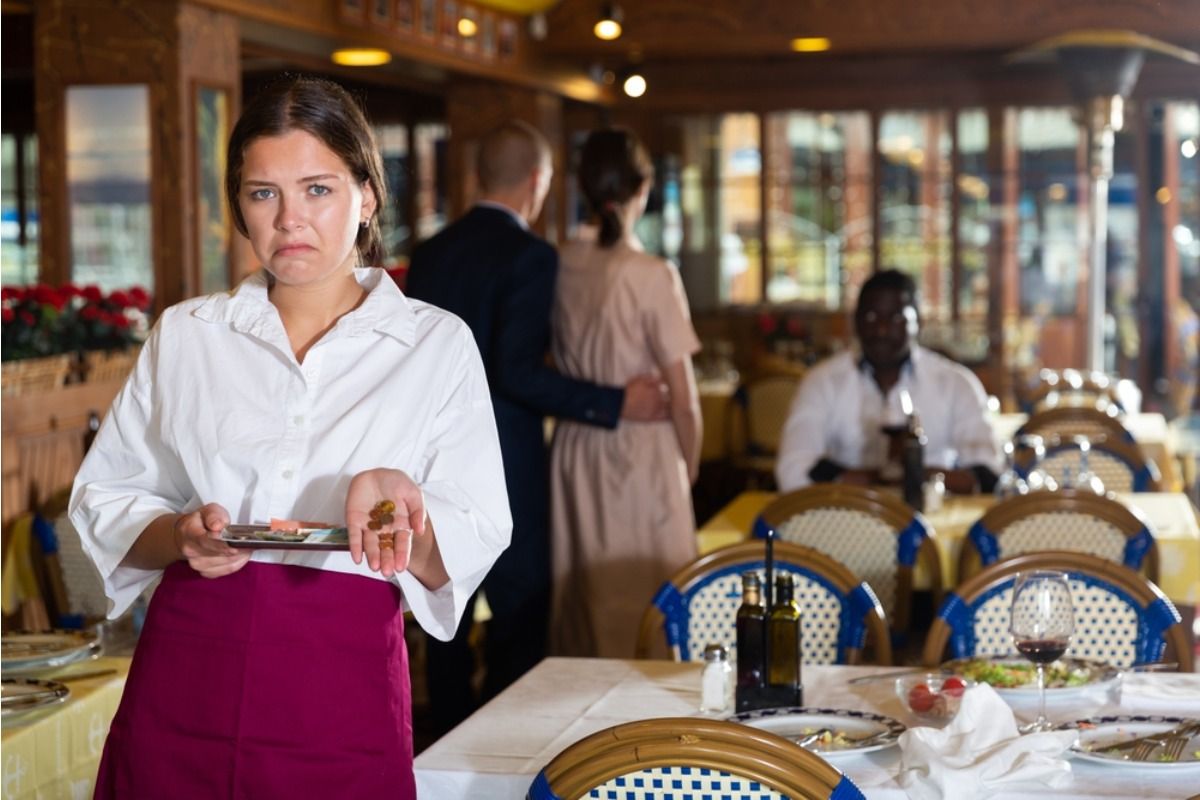
Employees often rely on tips in many industries. But they don’t design the payment systems. Still, they face the outcome of customer frustration. Some receive fewer tips. Others notice awkward interactions at checkout. And it creates tension on both sides.
Customers Question Where the Money Goes
Some people are unsure who receives the tips in newer setups. Whether it goes to staff, shared pools, or the business itself. That lack of clarity makes customers hesitant. And transparency has become part of the debate.
Social Media Amplifies the Debate
Online discussions about tipping screens have gone viral. Users share screenshots of unusual prompts. Some joke about tipping for self-checkout machines. Others criticize the normalization of tipping everywhere. And the frustration spreads quickly across platforms.
Businesses Defend the Practice
Some businesses argue that tipping supports lower base wages in service industries. They say it helps keep prices lower upfront. And allows customers to reward good service directly. But that explanation doesn’t fully ease customer discomfort.
The Line Between Service and Transaction Is Blurring
Many customers feel like the meaning of tipping has changed. It used to reflect personal service. Now it often appears automatically. And that shift makes interactions feel more transactional than voluntary. Which changes the experience of buying something simple.
A Cultural Shift in Everyday Payments
In the end, the situation isn’t just about tipping, it’s about how digital checkout systems are reshaping expectations in daily life, and how Americans are increasingly pushing back against automatic prompts that feel less like gratitude and more like obligation.