General Motors Will Pay $220 Million to States for Selling OnStar Drivers’ Data, and More Than 700,000 New Yorkers Were Enrolled
Every hard stop, every late-night trip and every burst of speed was being counted. For years, millions of General Motors drivers enrolled in the company’s Smart Driver program had that data collected, and state attorneys general say GM sold it to data brokers who passed it to insurance companies.
GM will pay $220 million to settle the claims, a coalition of 36 attorneys general announced on Oct. 29. New York’s share is $12,054,341, and the New York Attorney General’s office said more than 700,000 New York drivers were enrolled in Smart Driver.
What the States Say GM Did
GM ran Smart Driver from 2016 to 2024, marketing it as a way to help drivers improve their safety. The program tracked trips, start and end times, hard braking, hard acceleration and speeding. According to the states, GM told drivers their data would not be shared with insurers without their express consent.
Investigators found otherwise. The Washington Attorney General’s office, which co-led the case with Oregon, said GM sold the data to brokers under contracts stating it would be used for insurance products, without disclosing that purpose to drivers. Insurers used the data in part to set rates.
The states also described how drivers ended up enrolled. Dealership employees often signed customers up, sometimes accepting the terms on their behalf. From 2020 to 2024, GM paid dealership staff bonuses based partly on OnStar enrollments and ranked dealerships by their enrollment numbers.
Then there was an app error. The OnStar app wrongly told more than 370,000 drivers that they were not enrolled. GM later unenrolled them without disclosing the mistake, and their data stayed with data brokers and insurers, according to the New York release. GM discontinued Smart Driver after a 2024 New York Times investigation.
How Many Drivers Were Swept In
The New York and Washington releases describe enrollment in the millions without a national total. The Connecticut Attorney General’s office put a number on it: more than 10,283,000 Americans were affected, including at least 123,143 Connecticut residents.
“GM turned private vehicles into mobile insurance surveillance machines without consumer consent or awareness,” Connecticut Attorney General William Tong said.
Washington Attorney General Nick Brown framed it as a question of control. “Washingtonians’ data is personal and valuable, which is why they should always have control over how it’s used,” he said.
New York Attorney General Letitia James said New Yorkers “should never have to worry about a car company tracking their every move when they get behind the wheel.”
The consent decree spells out what counts as the protected information. It defines “Covered Driver Data” to include location data and driver behavior events such as hard braking, hard acceleration and late-night driving, the same categories the states say ended up with insurers.
Where the $220 Million Goes
The money goes to the states, not directly to drivers. The settlement documents and state announcements list these shares:
- Washington: $12,311,819, according to the consent decree
- New York: $12,054,341
- Pennsylvania: $8.67 million
- Connecticut: more than $6 million
Under the consent decree filed in King County Superior Court in Washington, the state attorney general may use its share for investigation costs, monitoring and enforcement, and other lawful purposes. The decree states that it is entered without any admission of liability by GM, and the named defendants are General Motors LLC, General Motors Holdings LLC and OnStar LLC.
The coalition was co-led by Washington and Oregon. According to the Pennsylvania Attorney General’s office, Colorado, Connecticut, Delaware, Illinois, Kentucky, Maryland, Minnesota, New Jersey, Utah and Vermont assisted, and Alabama, Alaska, Arizona, the District of Columbia, Florida, Hawaii, Idaho, Kansas, Maine, Massachusetts, Michigan, Mississippi, Nevada, New Hampshire, New York, North Carolina, North Dakota, Ohio, Oklahoma, South Carolina, South Dakota, Virginia and Wisconsin joined, along with Pennsylvania.
“General Motors promised consumers their personal driving data would not be shared,” Pennsylvania Attorney General Dave Sunday said. “This bait-and-switch tactic betrayed consumers’ trust and potentially impacted their insurance rates.” He added that Pennsylvanians “deserve transparency and honesty about how their personal data is collected, shared, and used.”
What Changes for GM Drivers Now
Beyond the payment, GM has to change how it handles driving data. The consent decree and the state announcements require the company to:
- Get affirmative express consent before collecting or using driving and location data, or sharing it with third parties
- Build a privacy program within 180 days of the decree’s Nov. 30, 2026 effective date and keep it until Jan. 13, 2046
- Delete covered data it kept from before Jan. 16, 2025, within 180 days, unless an exception applies
- Submit to independent third-party privacy assessments, with reports sent to the Washington Attorney General
- Oversee and train dealerships so customers are not enrolled without consent
The Connecticut release noted that the Federal Trade Commission settled separately with GM on Jan. 16, 2025, with limited injunctive relief and no money, and that consumer class actions against GM are still pending. Connecticut also called the case one of its first enforcement actions under the Connecticut Data Privacy Act.
None of the state announcements describe payments to individual drivers from this settlement. Payouts to consumers in other privacy cases have come through class actions, such as GoodRx’s $32 million privacy settlement, which is taking claims, and Google’s $68 million Assistant settlement, which won final approval in October. Connecticut residents with questions can contact the state attorney general’s office at 860-808-5318.
This article was produced with AI assistance and edited for accuracy against the sources linked above.
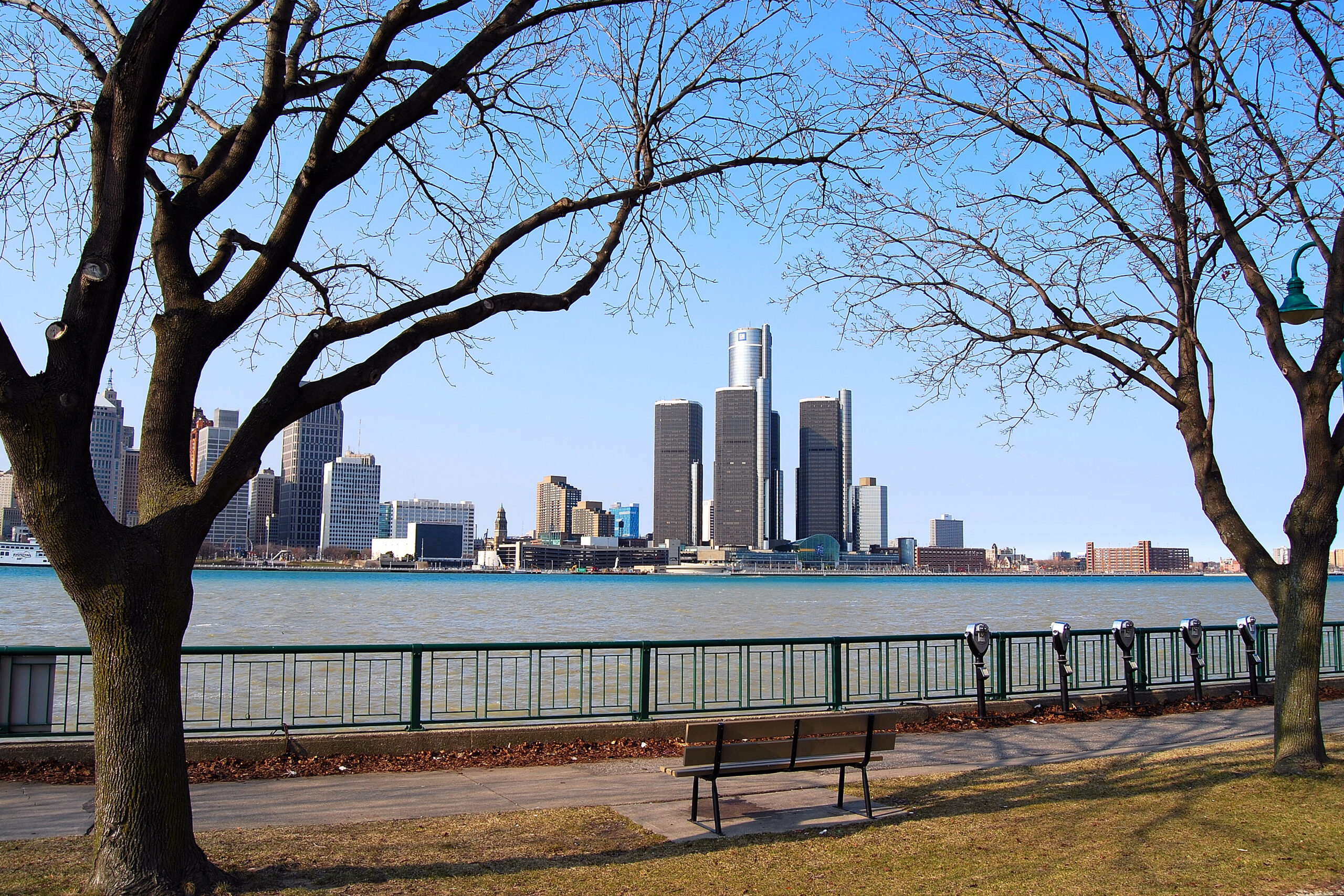
Image: PDru2014 from Detroit, United States – CC BY 2.0/Wikimedia Commons