Alabama’s Food Stamp Rolls Dropped From 730,758 to 645,376 in a Year, a Loss of 85,382 People
Nearly 12 of every 100 Alabamians on food stamps in July 2025 were off the rolls a year later. The USDA’s state table counts 730,758 people receiving SNAP in Alabama in July 2025 and 645,376 in July 2026, a difference of 85,382 people, or 11.7%.
The state’s Department of Human Resources (DHR) says the new federal work rules are behind the decline, and it expects the number to keep falling before the fiscal year ends.
730,758 to 645,376 in the USDA Table
The figures come from the USDA’s “Number of Persons Participating” table, posted on the Food and Nutrition Service data tables page with data as of Oct. 9, 2026. It compares July 2025 with June and July 2026. Alabama stood at 648,952 in June 2026, so July’s 645,376 is a further drop of 0.6% in a single month.
One caution comes printed on the table itself. The July 2026 figure is labeled initial, the June 2026 figure preliminary, and the USDA notes that both are subject to significant revision. The 85,382 gap could shift a little when the numbers are finalized, though the direction is not in doubt.
The USDA count lines up with what state and outside analysts have said. CBPP measured an 11% decline in monthly enrollment from July 2025 to May 2026, and the USDA table puts the full July-to-July drop at 11.7%. DHR’s description of enrollment in the mid-600,000s matches the 645,376 now on the federal table.
Alabama is not alone. Newsweek reported on Sept. 21 that national SNAP participation fell by about 332,000 people from May to June 2026, to roughly 36.35 million, the 16th straight monthly decline since March 2025. Thirty-four states lost participants that month and 16 gained.
DHR Points to the Work Requirement
Alabama’s human services agency has been direct about the cause. In an Aug. 26 report, WTVM said DHR attributed the enrollment decline to the work requirement changes passed by Congress in the 2025 budget law.
Under those rules, certain adults must work or join an approved work program for at least 80 hours a month unless they qualify for an exemption. DHR’s Brandon Hardin told ABC 33/40 on Aug. 14 that about 80,000 Alabamians had already lost SNAP benefits and that he expects the decline to approach 100,000 by the end of the fiscal year. He put current enrollment in the mid-600,000s, or about 320,000 households.
The Center on Budget and Policy Priorities (CBPP), a Washington research group, tied the change to the same law. Its report, covered by Alabama Political Reporter on July 23, said the law extended work requirements to older adults and removed exemptions for some veterans, people experiencing homelessness and young adults leaving foster care.
About 23,300 Fewer Children in the Program
The same CBPP report counted 81,800 Alabamians who had lost SNAP since the year before. Monthly enrollment fell 11% from July 2025 to May 2026, and child enrollment dropped 7%, or about 23,300 children.
Ty Jones Cox, CBPP’s vice president for food assistance, said in the report: “People need food assistance today just as much as they did a year ago.” She attributed the decline to new reporting rules and to states’ efforts to reduce error rates.
A Cost Shift With Dollar Figures Attached
The drop in caseload sits beside a bigger bill for the state. Hardin said the federal share of SNAP administrative costs falls to 25% starting in fiscal year 2027, so Alabama pays 75%, and that lawmakers allocated funding for added costs of more than $35 million this fiscal year. WTVM reported that the new split began Oct. 1, 2026, up from 50% in prior years.
A second change, tied to how often benefits are issued wrongly, is still ahead. States with a payment error rate above 6% will have to pay part of benefit costs beginning in October 2027. Alabama’s fiscal 2025 rate was 9.52%, according to DHR figures on ABC 33/40, and its rate for the first three months of the current fiscal year was 10.99%, which would land the state in the 15% tier carrying the heaviest cost. DHR says its goal is to get below 6%. Hardin explained on ABC 33/40 that states under that line keep full federal coverage of benefits, while states at or above it begin paying a share that rises with the error rate.
Estimates of the price vary. Alabama Arise policy director LaTrell Clifford Wood put the added cost at about $174 million. In January, Legislative Services Agency deputy director Kirk Fulford told lawmakers the state does not have the $174 million, according to Alabama Political Reporter. State leaders are seeking a two-year delay on the benefit cost increase, WTVM reported, and the request is under discussion with state and federal officials.
Dr. Andrew Racine, president of the American Academy of Pediatrics, was quoted in the same coverage saying that most payment errors stem from administrative or filing mistakes rather than fraud.
The effects could reach past households. Wood projected, in the ABC 33/40 report, that as many as 5,000 retailers statewide could lose revenue as SNAP spending shrinks. That figure is her projection and not a DHR number.
Where Alabamians Can Apply or Reapply
Eligibility for SNAP depends on income and household size, set by USDA rules, according to DHR’s food assistance page. The page says households can apply online through the mydhr.alabama.gov portal or file a printed application at any county DHR office.
Applicants with questions about the 80-hour requirement, which does not apply the same way to every adult, can take them to a county DHR office. Related coverage: Louisiana’s SNAP rolls fell by 186,385 people in a year and Massachusetts has 183,809 fewer SNAP recipients than in July 2025.
Get stories like this by email. Sign up for The Parent Diaries Letter.
This article was produced with AI assistance and edited for accuracy against the sources linked above.
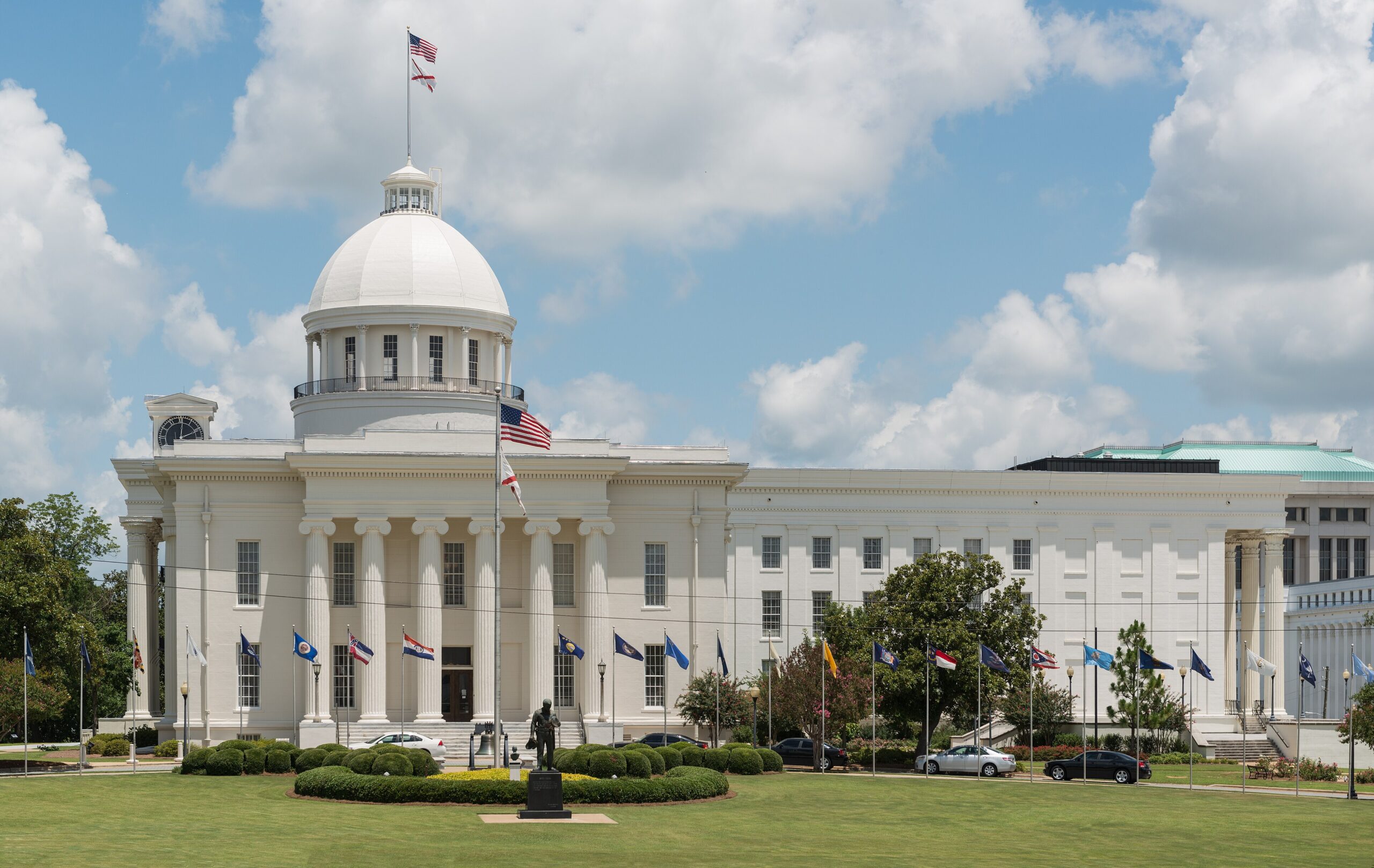
Image: DXR – CC BY-SA 4.0/Wikimedia Commons