Utah’s HEAT Program Opened to All Eligible Households on Nov. 1, After Helping About 18,000 Utah Families Last Winter, With Payments Sent Straight to the Utility
October brought about half the usual number of applications to Utah’s heating assistance program, according to its manager, who says some families may simply not know the help exists. The Home Energy Assistance Target program, known as HEAT, opened to the general public on Nov. 1 after helping about 18,000 Utah families last winter.
Payments go straight to the utility, not to the household. KSL reported that the one-time benefit averages about $500, an average rather than a set amount.
Half the Usual October Applications
Program manager Michael Murdock told KSL on Nov. 2 that October applications ran at roughly half their normal volume. He attributed that to some families possibly not knowing about the program. Murdock cited a national report projecting that families would pay about 9% more for heating this year than last, and said the program is “trying to help as many families as possible.”
The program is federally funded and run by the Utah Department of Workforce Services. The money comes from the Low Income Home Energy Assistance Program, known as LIHEAP. In February, the Mountain West News Bureau reported that Utah was receiving $25 million in federal LIHEAP funds for fiscal 2026, part of about $3.7 billion allocated nationally.
Scale gives some context. About 18,000 families at an average near $500 would add up to roughly $9 million in payments, a back-of-the-envelope product of the two figures KSL reported and not a number the state has published.
Seniors and Families With Young Children Had a Head Start
Not everyone waited for November. According to the Department of Workforce Services’ HEAT page, households with a member who is disabled, a member age 60 or older, or a child under 6 can apply from Oct. 1. Applications from the general public are processed from Nov. 1.
Both groups share an end date. The program year runs through Sept. 30, or until the federal money runs out, whichever comes first. The second clause matters: once the federal money is exhausted, the season can end before September.
One Payment, Sent to the Utility, Averaging About $500
HEAT does not mail a check to the household. Utah Community Action, which handles HEAT applications in Salt Lake and Tooele counties, says approved benefits are applied to the household’s utility accounts within 6 to 10 days of approval, and that clients choose how much goes to gas versus electric. The agency also says clients are eligible once per season, which runs from Oct. 1 through Sept. 30.
The roughly $500 average comes from KSL’s reporting. The Department of Workforce Services’ own page does not publish a benefit amount, so the size of any one household’s payment is not stated in advance.
Processing takes time. Murdock said applications are typically processed within 15 to 20 days, while Utah Community Action puts its own processing time at about 6 to 8 weeks, with decisions arriving by mail. Murdock urged anyone worried about heating a home this winter to apply rather than wait. The state’s page tells households at risk of a shutoff to contact their local HEAT office about crisis help.
Who Qualifies: Up to 150% of the Poverty Level
The state sets four conditions. Total household income must be at or below 150% of the federal poverty level, the household must be responsible for paying its home energy costs, at least one member must be an adult or emancipated, and at least one member must be a U.S. citizen or qualified non-citizen.
Murdock gave one example to KSL: a family of four earning less than about $4,100 a month may qualify. Applicants apply online through the state’s HEAT portal or through a local HEAT office, and bring copies of power and heat bills, proof of income for every household member from the month before the application, and proof of any eligible medical expenses, child support or alimony paid.
Utility Discounts and Weatherization Tied to HEAT
A HEAT approval can open other doors. The state’s Office of Consumer Services lists Rocky Mountain Power’s HELP program, a monthly discount on electric bills for HEAT-eligible customers (Utah Community Action says receiving a HEAT benefit automatically enrolls a customer in HELP for 12 months), and the Enbridge Gas Utah Energy Assistance Fund, a one-time credit per heating season for HEAT-qualified customers. The page gives no figure for the Enbridge credit and says the amount changes each year.
The same page describes a State Weatherization Program, funded partly through HEAT, which covers weatherizing homes and emergency repair or replacement of furnaces. Applicants are told to ask about a weatherization referral when they apply for HEAT. Beyond HEAT, the Office of Consumer Services advises households facing an imminent shutoff to call 211 to find a county agency about crisis funding and to contact the utility right away about payment arrangements.
Murdock also passed along bill-trimming steps that apply whether or not a household qualifies, KSL reported. He recommended keeping thermostats between 68 and 72 degrees when someone is home and lowering them when the house is empty, opening blinds during the day to let sunlight in, and changing furnace filters every two to three months.
The Workforce Services page lists related help alongside HEAT, including the Community Services Block Grant, emergency food assistance and the Earned Income Tax Credit. It also lists Relay Utah at 711 for applicants who are deaf, hard of hearing or speech impaired, and a line for accommodations at (801) 526-9240.
Other states have opened similar programs this month, including Colorado’s LEAP heating aid and Ohio’s Winter Crisis Program.
Get stories like this by email. Sign up for The Parent Diaries Letter.
This article was produced with AI assistance and edited for accuracy against the sources linked above.
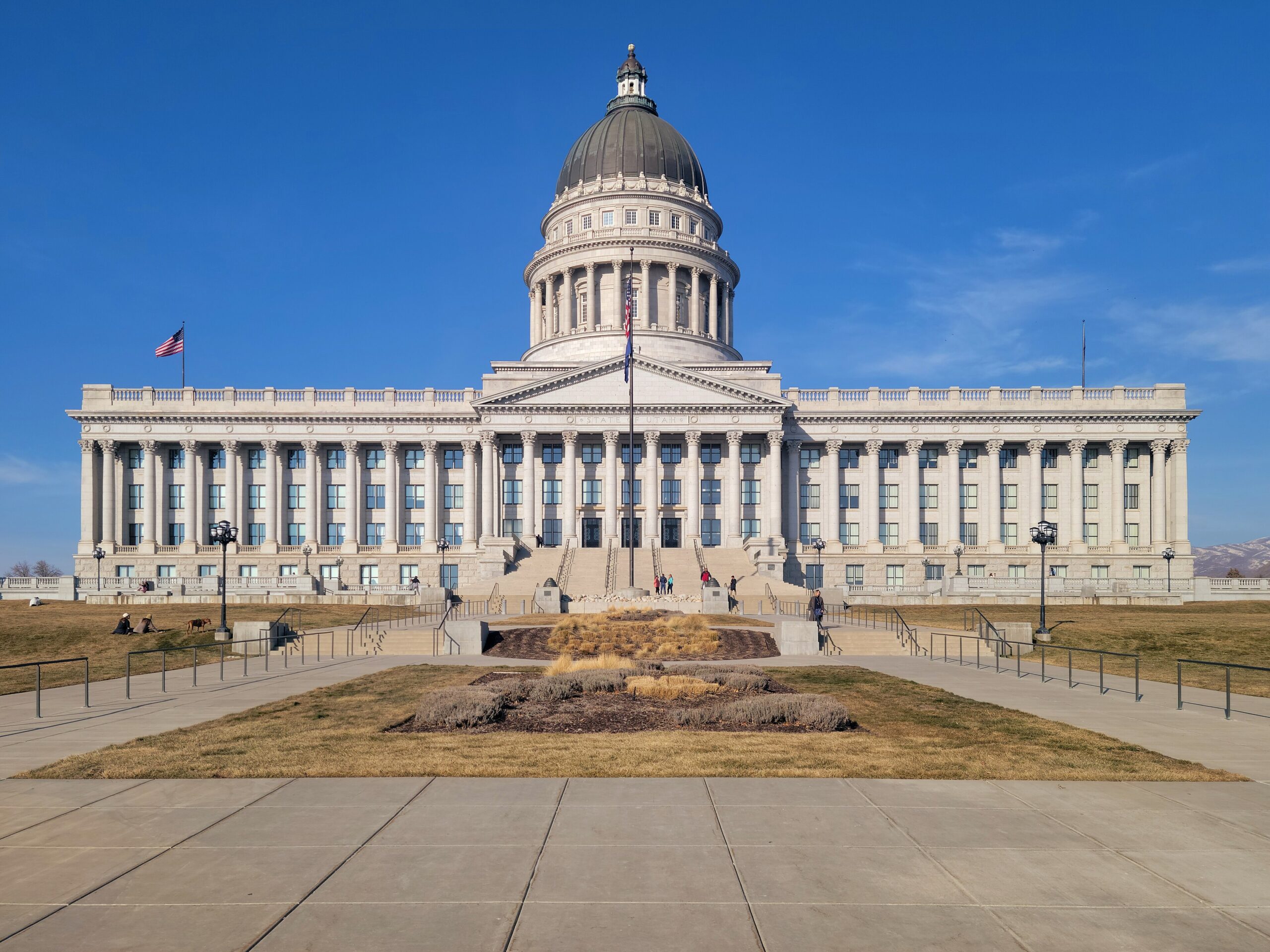
Image: GyozaDumpling – CC BY-SA 4.0/Wikimedia Commons