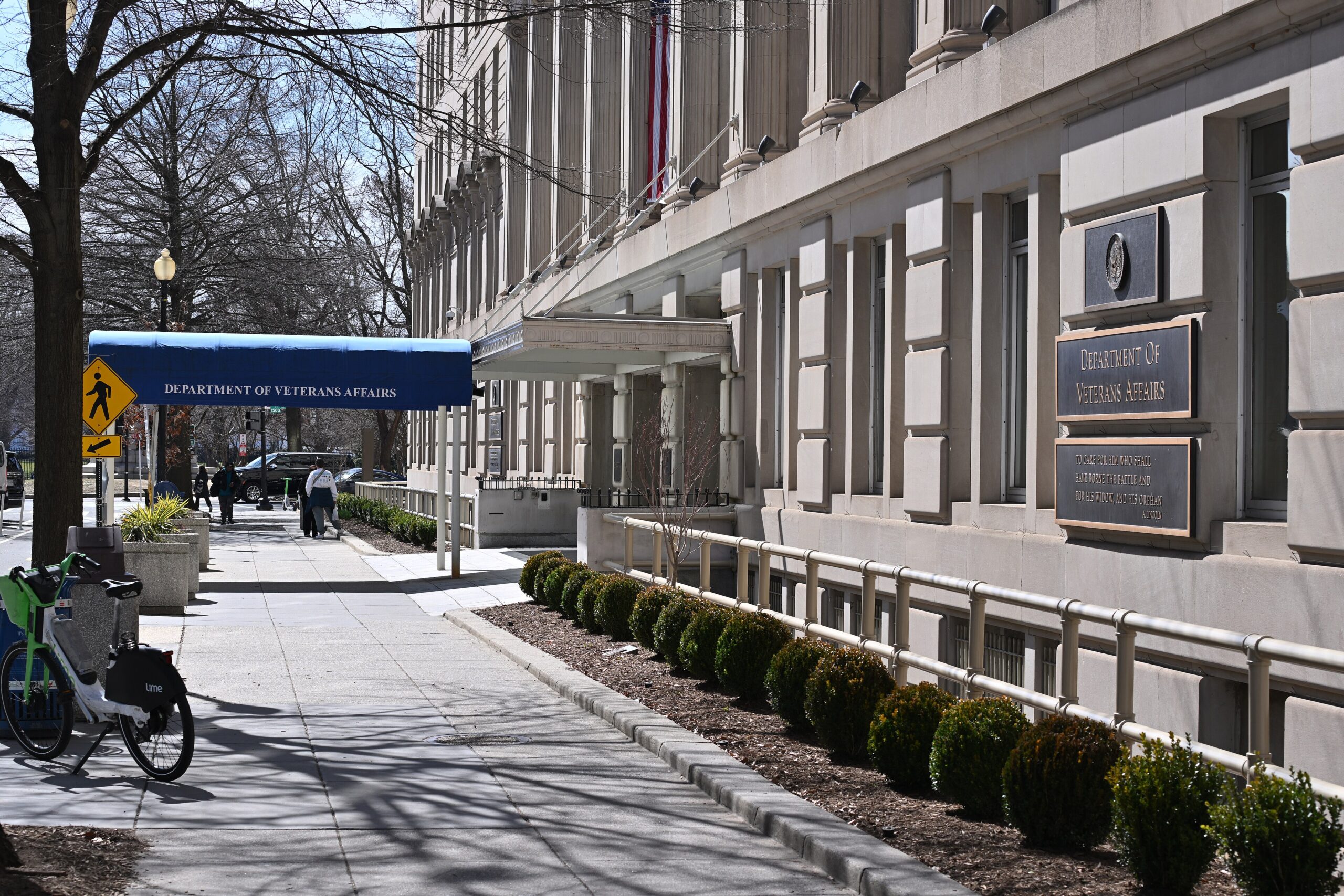
VA Proposes Ending Life Insurance Premiums for About 10,000 World War II and Korean War-Era Veterans
The Department of Veterans Affairs has proposed a rule that would stop charging premiums to about 10,000 World War II and Korean War-era veterans who still hold some of the government’s oldest life insurance policies. VA announced the plan on Nov. 17 in a press release, the same day the proposal appeared in the Federal Register. If it is finalized, those veterans would keep their coverage for life and owe nothing more to keep it.
VA estimates the change would save the affected veterans about $4 million over 10 years. The rule is not final yet, and the agency is taking public comments until Dec. 17.
Which Policies the VA Plan Would Cover
The Federal Register notice, titled “Discontinuing Premium Collection From Policyholders on Certain National Service Life Insurance Policies,” says VA proposes to “cease collecting premiums” from veterans holding National Service Life Insurance policies with the prefixes V, J and JR. The notice says these programs mainly cover World War II-era veterans.
VA’s press release names the Veterans’ Reopened Insurance program as one of the programs included. According to VA’s Veterans’ Reopened Insurance page, that program was open from May 1, 1965 to May 2, 1966, under a one-year reopening Congress passed in 1964. It was offered to disabled veterans who had been eligible for National Service Life Insurance or Veterans Special Life Insurance between 1940 and 1956. About 228,000 policies were issued, and 2,853 were still in force when VA last updated the page.
The broader National Service Life Insurance program dates to Oct. 8, 1940, when it was created for World War II service members. VA says more than 22 million NSLI policies were issued before the program closed to new policies on April 25, 1951, and just over 67,880 are still in force. The proposal would not cover every one of them, only the policy types listed in the notice.
Why VA Says It Can Stop Collecting Premiums
VA said the strong financial performance of its insurance funds makes the exemption possible. The Federal Register notice puts it in plainer terms: the agency has determined it has enough money to pay the remaining active policies without collecting more premiums.
Beyond the roughly $4 million veterans would keep, VA projects it would save about $1 million in administrative costs over the same 10 years by no longer billing and processing premium payments.
Spread across the roughly 10,000 policyholders, the $4 million in projected savings works out to an average of about $400 per veteran over the decade, or about $40 a year. VA did not publish a per-policy figure, so the savings for any one veteran could be higher or lower than that average.
The Korean War connection runs through the Veterans’ Reopened Insurance program. Its eligibility window, for veterans who could have held NSLI or Veterans Special Life Insurance between 1940 and 1956, spans both World War II and the Korean War, which is why VA describes the group as World War II and Korean War-era veterans.
VA Secretary Doug Collins called the change a small way of thanking World War II and Korean War-era veterans, according to the release.
No Paperwork Required, but the Change Is Still Months Away
Veterans with these policies would not need to apply or sign anything. VA said all affected veterans would keep their existing coverage without taking any action.
The timing depends on the rulemaking. VA said that, pending public comments, it projects premium reductions to begin by spring 2027. The proposal itself does not end any premium; that would happen only once VA issues a final rule.
For family members who help an older veteran manage bills, the policy number is the place to start. The Federal Register notice identifies the covered policies by their prefixes, V, J and JR, so a National Service Life Insurance policy number that begins with one of those letters falls within the proposal. Policies with other prefixes are not part of it.
The policies themselves keep their other features. VA’s program pages say NSLI and VRI policies pay annual dividends, carry a maximum face amount of $10,000 not counting paid-up additions bought with dividends, and include certain disability benefits for policyholders who became totally disabled before age 65.
How to Comment on the Proposal or Ask About a Policy
The public comment period runs through Dec. 17, 2026, under docket number VA-2026-VBA-0430, according to the Federal Register’s record of the proposal. Comments can be filed through the Federal Register notice linked above. VA will review them before issuing a final rule.
Policyholders or family members with questions about a specific policy can call the VA Life Insurance Center at 1-800-669-8477, the number listed on VA’s insurance contact page.
The proposal comes as other veterans’ benefits change for the new year. Congress passed a raise that would put a 100% disability rating at about $4,080 a month in 2027, and veterans who paid tax on a combat-related severance payment can get that money back by amending their return, according to the IRS.
This article was produced with AI assistance and edited for accuracy against the sources linked above.
Image: G. Edward Johnson – CC BY 4.0/Wikimedia Commons