Treasury Has Opened Trump Accounts for More Than 60 Million Children, but Parents Must Claim Them Before Anyone Can Add Money
More than 60 million American children now have an investment account in their name, opened by the federal government without a single form. Almost none of them can take a dollar from family or an employer yet. Each one stays closed to outside money until a parent or guardian claims it, and only a sliver of families have done that so far.
The U.S. Treasury announced Oct. 1 that it had finished automatically enrolling every eligible child, saying “over 60 million” kids now have an account “ready to be claimed.” Until a parent claims it, grandparents, other relatives and employers can’t add money, and babies who qualify for the $1,000 federal deposit don’t get it.
Fewer Than 1 in 100 Accounts Have Been Claimed
About a week after the enrollment push, Treasury benefits tax counsel Helen Morrison, speaking in a personal capacity, put the number of claimed accounts at roughly 164,000 out of the 60 million, according to a Nov. 10 Fortune commentary by CPA Ashok Paudel. That works out to under 1%.
Counting accounts opened earlier, the program covers about 70 million children, the same piece notes. Paudel argues that the claim step, not the size of the deposit, will decide whether the program works, and points to the U.K.’s Child Trust Fund, where about 827,000 of roughly 3.8 million matured accounts went unclaimed.
What Claiming an Account Involves
Treasury Secretary Scott Bessent called the completed enrollment “a transformative milestone in the Trump Administration’s effort” to help children build wealth, and said millions had already enrolled. The accounts were opened for every child under 18 with a valid Social Security number, according to the release.
Treasury’s release lays out the steps. A parent or guardian verifies their own identity and their relationship to the child, reviews the child’s information and accepts the account terms. That’s done through the official Trump Accounts app for iPhone and Android, with more detail on TrumpAccounts.gov.
The IRS page on Trump Accounts describes them as a new type of individual retirement account for children under the Working Families Tax Cuts law. It says that even when Treasury opened an account automatically, the parent still has to claim it through the Trump Accounts app before managing it, and an IRS FAQ repeats that the account has to be claimed and activated to be managed. The program’s help line is 866-USA-4547.
Claiming opens the door for outside money. TrumpAccounts.gov says families can add up to $5,000 a year per child, and Treasury says claiming is what allows family, friends and employers to contribute.
The $1,000 Deposit Needs a Second Step
Children born from Jan. 1, 2025, through Dec. 31, 2028, who are U.S. citizens with a valid Social Security number qualify for a one-time $1,000 deposit from Treasury, according to the IRS. Children don’t have to qualify for the $1,000 to have an account.
The IRS also sets an age cutoff for opening one: the child must not turn 18 before the end of the calendar year in which the account is established.
For those who do qualify, the money isn’t automatic either. The IRS says parents must elect the $1,000 by submitting Form 4547 and choosing the pilot program contribution, through the app, the Trump Accounts website or an IRS Individual Online Account. The agency’s Nov. 16 filing-season reminder lists Form 4547 among the forms that can now be submitted digitally. The Tonic Edit covered that change in the move to file Form 4547 online.
Fortune’s piece offers a sense of scale: a $1,000 seed earning 7% a year would grow to about $3,400 by age 18. Money from outside donors can add to that. Michael and Susan Dell are putting $250 into the accounts of almost 25 million children, Fortune reports, and that deposit didn’t require a claim.
A Warning From Britain’s Child Trust Fund
Paudel’s comparison to the U.K. is pointed. Under Britain’s Child Trust Fund, more than one in five accounts that reached maturity sat unclaimed once the children grew up. Those forgotten accounts averaged £2,310 each and added up to about £1.9 billion, according to the figures he cites.
He sees two built-in failure points in the American version. The first is the one already showing up in the numbers: accounts that are never claimed by a parent. The second comes later, when a child turns 18 and an account nobody has kept an eye on for years risks being lost, the same way so many British accounts were.
His fixes are practical. He recommends tying each account to the owner’s Social Security number, having account holders check their contact details against official records every year, and making the money available by default, the way Israel’s children’s savings plan does. He also argues that young owners should be able to see their own account easily before they turn 18, so the money isn’t a surprise, or a mystery, when they become adults.
Treasury’s Oct. 1 release doesn’t mention any of those changes. For now, the only step that moves an account from “opened” to “usable” is a parent finishing the claim in the app.
Why the Unclaimed Number Matters
An unclaimed account doesn’t lose money it already holds, such as the Dells’ $250 deposits. But it does block new contributions. A grandparent who wants to put a holiday gift into a child’s account, or an employer that offers to fund workers’ kids’ accounts, can’t do it until the parent finishes the claim.
For newborns, the stakes are the $1,000 itself. Parents of babies born in 2025 and 2026 who never claim the account and never file Form 4547 leave the federal deposit sitting unpaid. Once money arrives, it goes into low-cost U.S. stock index funds, Fortune reports, with BNY running the initial accounts as Treasury’s financial agent and Robinhood as broker.
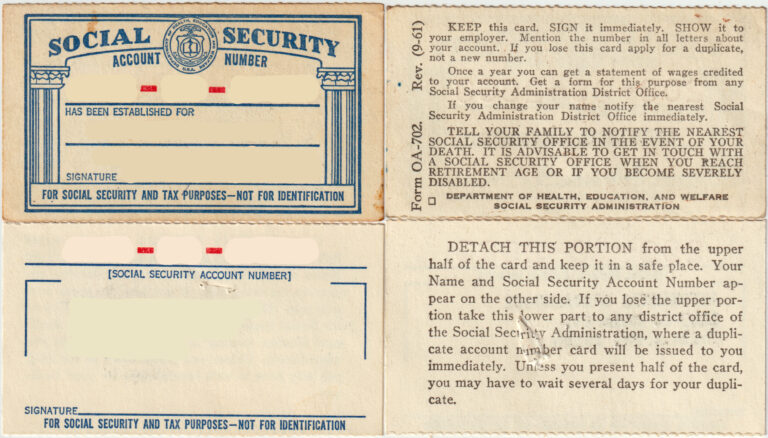
Earlier coverage here tracked how the program grew, including the IRS count of nearly 70 million children with accounts and Social Security’s decision to tuck claiming instructions into newborns’ card mailings.
This article was produced with AI assistance and edited for accuracy against the sources linked above.