Social Security and SSI Checks Would Keep Going Out if Federal Funding Runs Out Dec. 11, but Some Services Would Stop
Social Security retirement, disability and survivor benefits, along with Supplemental Security Income, would keep being paid if Congress lets federal funding run out at 11:59 p.m. Eastern time on Friday, Dec. 11. That is the answer in the Social Security Administration’s lapse plan, the document the agency follows when its budget lapses. The same plan lists a handful of services that would be put on hold until money is restored.
No lapse has begun. A shutdown would start only if lawmakers miss the deadline without passing another stopgap or full-year funding bills.
The Dec. 11 date is written into law
Federal agencies are running on a temporary spending law, the Continuing Appropriations and Extensions Act, 2027, which became Public Law 119-103. Section 106 of the act keeps the money flowing until the first of three events, and the last of them is “December 11, 2026.”
The White House says the President signed the bill, H.R. 6500, on Wednesday, Sept. 2, 2026, funding agencies through Dec. 11. The Government Shutdown Tracker confirms that cutoff and, in its Nov. 17 review, found that none of the 12 regular fiscal 2027 spending bills had been enacted. The House had passed three; the Senate had passed none.
Why benefit payments sit outside the fight
The checks do not depend on the yearly spending bills the way most federal work does. SSA’s plan, dated Sept. 24, 2025, states that “Funding for the programs under Titles II, XVI, and XVIII of the Social Security Act will continue.” Title II is Social Security, Title XVI is SSI, and Title XVIII is Medicare.
Social Security and Medicare benefits are paid from trust funds that do not need a new appropriation each year, the plan says. SSI is paid from general revenues, and the plan says the current appropriation covers those payments through the first quarter of the next fiscal year.
The next raised payments are already on the calendar. SSA has said that the 3.6% raise for 2027 reaches about 7.3 million SSI recipients with the payment that begins Dec. 31, 2026, and reaches nearly 72 million Social Security beneficiaries in January.
The work SSA would keep doing
Paying benefits still takes staff to process claims and changes. The lapse plan treats field offices as excepted, meaning their employees keep working. Of 37,395 operations staff counted in the plan, 35,899 are listed as excepted and 1,496 as furloughed, with the explanation “Frontline work.”
The functions listed as continuing are:
- applications for benefits
- requests for appeals, including reconsiderations, hearings and the Appeals Council
- post-entitlement actions that affect payment
- non-receipts and critical payments, for people whose check did not arrive
- fraud prevention
- critical technology support for daily processing
Disability cases would keep moving too. The plan lists hearing cases, deciding cases and decision writing among the hearings and appeals work that continues, and says state Disability Determination Services offices continue initial claims and reconsiderations, subject to each state’s own decisions.
Agencywide, the plan expects 51,825 employees on board, with 6,197 furloughed during a lapse.
The services that would go dark
The plan names the work that stops when funding lapses. For beneficiaries, the most noticeable items would be:
- replacement Medicare cards
- overpayment processing
- Freedom of Information Act requests
- payee accountings, the reports representative payees file on how they spent a beneficiary’s money
- queries requested by third parties
- prisoner suspension activities
The plan also halts technology upgrades, public relations work and training. Anyone who needs a new Medicare card, or who is waiting on an overpayment decision, would face a delay until Congress acts.
Where the funding talks stand
Lawmakers are not expected to finish the full-year bills in time. Rep. Mike Simpson, an Idaho Republican, told the Deseret News on Nov. 22 that Congress will have to pass another continuing resolution because the work will not be done by Dec. 11. The newspaper reported that appropriators expect another short-term extension, likely into the new year, though members disagree on how long it should last: some want it to end in late December, others in late March, and others want a full-year measure. Rep. Rosa DeLauro of Connecticut, the top Democrat on House Appropriations, said she does not think anyone wants a shutdown.
The Deseret News also reported that Democrats object to defense money for the Iran war, which could complicate a stopgap, though they do not appear eager to force a shutdown over it. House Appropriations Chairman Tom Cole of Oklahoma urged his committee to keep working on smaller funding packages even if the deadline slips, calling a decision to give up and wait for the next Congress “the biggest disservice to the American people.”
In the Senate, the Appropriations Committee released text on Nov. 16 for its last five fiscal 2027 bills, among them the Labor, Health and Human Services, and Education bill. Senate Financial Services Subcommittee Chair Bill Hagerty said in the release that he was “disappointed that Senate Democrats sabotaged the process earlier this summer.”
The site has covered how a lapse would reach other programs in a rundown of which federal benefits continue and which stop. Under SSA’s plan, the December Social Security payment dates would hold whether or not the Dec. 11 deadline is met.
This article was produced with AI assistance and edited for accuracy against the sources linked above.
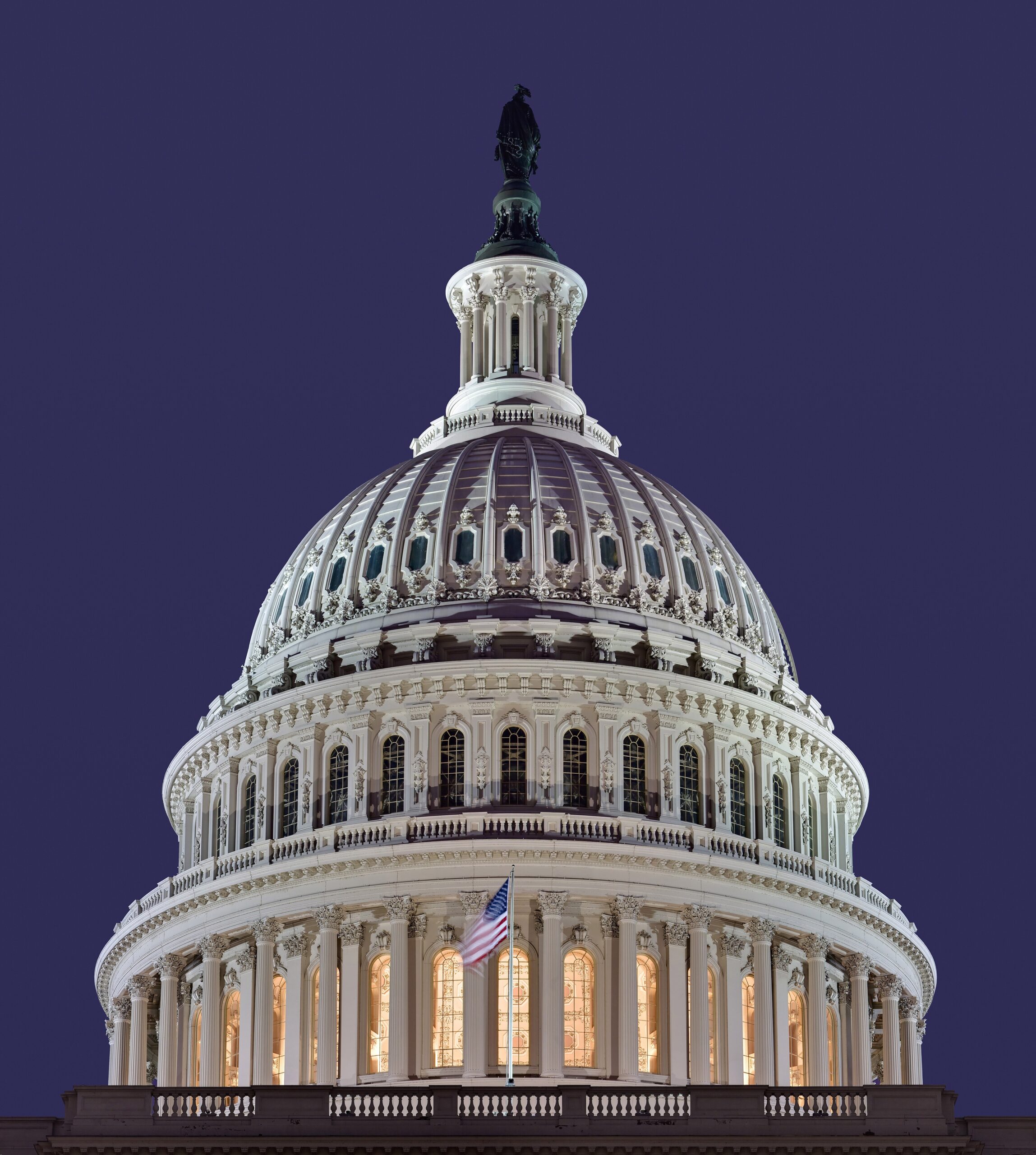
Image: Diliff – CC BY 2.5/Wikimedia Commons