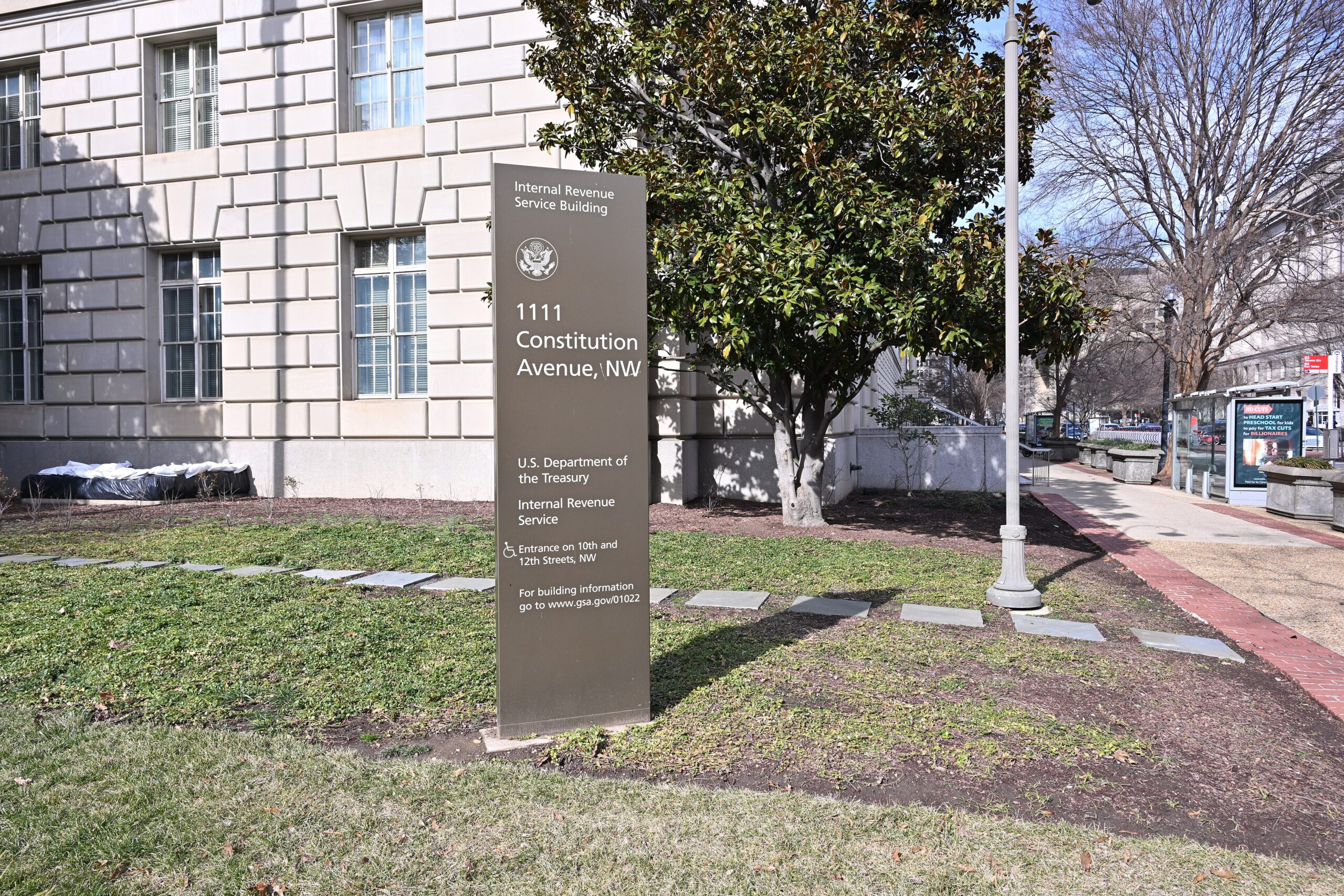
Paper Refund Checks Are Being Phased Out, and the IRS Wants Filers to Have Their Bank Routing and Account Numbers Ready for 2027
Seven out of every 100 individual tax refunds still went out on paper during the 2025 filing season. For the filing season that opens in early 2027, the Internal Revenue Service is telling that group, in plain terms, to stop counting on a check in the mail.
In news release IR-2026-140, issued Nov. 16 as the first of its “Get Ready” reminders for next year, the agency said it began phasing out paper tax refund checks in 2025 under Executive Order 14247. Most taxpayers, it said, now need bank routing and account numbers on hand to get their money.
What the IRS said on Nov. 16
The release describes direct deposit as the fastest way to receive a refund and lists what to gather before filing. For most households, that comes down to two numbers: the routing number that identifies the bank and the account number for the checking or savings account where the money should land.
The IRS also named options for people who do not have a traditional account. It pointed taxpayers toward FDIC-insured banks and the NCUA’s credit union locator, and toward the Veterans Benefits Banking Program for veterans. Prepaid debit cards, digital wallets and mobile payment apps may also work, the agency said, as long as they are tied to a personal account with its own routing and account numbers. It advised confirming the correct numbers with the provider before filing.
Filing a return itself does not change. The IRS has said from the start that only the way refunds are delivered is moving, not the forms or the process for filing.
Where the phase-out started
The shift traces back more than a year. In IR-2025-94, dated Sept. 23, 2025, the IRS said paper refund checks for individual taxpayers would be phased out beginning Sept. 30, 2025, “to the extent permitted by law,” as required by the March 2025 executive order on federal payments.
That release laid out how far along the switch already was. In the 2025 filing season, the IRS issued more than 93.5 million refunds to individual filers. About 93%, almost 87 million, went by direct deposit. The other 7% were mailed checks.
The agency’s page on modernizing payments, last updated in September 2026, gives the reasons it cites for the change. Paper checks, it says, are far more likely to be lost, stolen, altered or delayed, and direct deposit avoids refunds coming back as undeliverable. The same page lists the timeline: the executive order signed March 25, 2025, Treasury’s announcement on Aug. 14, 2025, and the start of the phase-out on Sept. 30, 2025.
How much faster the money moves
Speed is the IRS’s main selling point. According to the agency, an e-filed return with direct deposit and no problems can be refunded in under 21 days. A mailed refund, it says, may take six weeks or longer.
Researchers at the Urban-Brookings Tax Policy Center reached a similar conclusion from the other direction. In a TaxVox analysis, Nikhita Airi and Elaine Maag wrote that filers who leave off direct deposit information face roughly a six-week delay in most cases, and may need to answer IRS letters or request an exception. They put paper check refunds at about 10 million in the prior year, roughly 9% of all refunds and about half the 2019 level. Paper checks, they wrote, cost four times as much to deliver and are 16 times more likely to run into problems such as being lost, stolen or returned.
The site has tracked other changes in how refunds work this year, including the rise in the average IRS refund to $3,439 and the deadline for unclaimed refunds on 2023 returns.
Who may struggle with the switch
Not everyone has an account to point a refund toward. The FDIC’s GetBanked page says 7.1 million U.S. households do not have a bank account, and notes that many FDIC-insured banks offer low- or no-fee accounts, often waiving monthly fees for customers with direct deposit.
The Tax Policy Center analysis counted more than 5 million unbanked households in 2023, about 4% of all households and 22% of low-income households, with roughly two-thirds of them using cash only. The authors listed groups that may still need paper checks, including people without bank accounts, Americans living abroad, certain religious communities, survivors of domestic violence and people with disabilities. They also warned that some filers could turn to costlier refund advance products to get money sooner.
The IRS has said “limited exceptions” will remain for people who cannot use electronic payments, but it has not spelled them out in detail. Its modernizing payments page says taxpayers without access to digital payment options may qualify for Treasury-sponsored alternatives, with details to come.
What to have ready before filing
Based on the IRS guidance, the list is short. Filers need the routing number and account number for the account that should receive the refund. Anyone using a prepaid card or payment app should confirm with the provider that it accepts direct deposit and which numbers to use, as the IRS advises.
Payments to the IRS are not changing yet. The modernizing payments page says existing payment methods remain in use “until further notice,” including IRS Direct Pay, which charges no fee.
The IRS framed its Nov. 16 release as a head start: gather the numbers now, and the refund can go straight into an account instead of waiting weeks in the mail.
This article was produced with AI assistance and edited for accuracy against the sources linked above.
Image: G. Edward Johnson – CC BY 4.0/Wikimedia Commons