More Consumers Are Comparing Prices Across Multiple Stores and Saying “The Difference Is Bigger Than We Expected”
More consumers are comparing prices across multiple stores and saying “the difference is bigger than we expected,” as rising cost awareness pushes shoppers to double-check every purchase and discover surprising gaps between retailers for the same everyday items.
The Habit of “One Store Shopping” Is Disappearing
According to consumers, people rarely rely on a single store anymore for all their needs. Instead, they check multiple retailers before buying anything significant. What used to be a quick decision now involves comparison across apps and websites. And this new habit is becoming increasingly normal.
“Same Product, Completely Different Prices” Became a Shock
That phrase appears constantly in online discussions about shopping behavior. Shoppers report finding identical items priced very differently depending on the store. Even basic groceries, household goods, and electronics show noticeable variation. And many consumers say they didn’t expect the gap to be so large.
Inflation Made People More Price-Sensitive Than Before
According to shoppers, rising costs have changed how carefully they evaluate purchases. Items that once felt affordable now require more thought and planning. Consumers reportedly pay closer attention to small differences in pricing. And even minor savings now feel meaningful.
Online Tools and Apps Are Driving the Comparison Trend
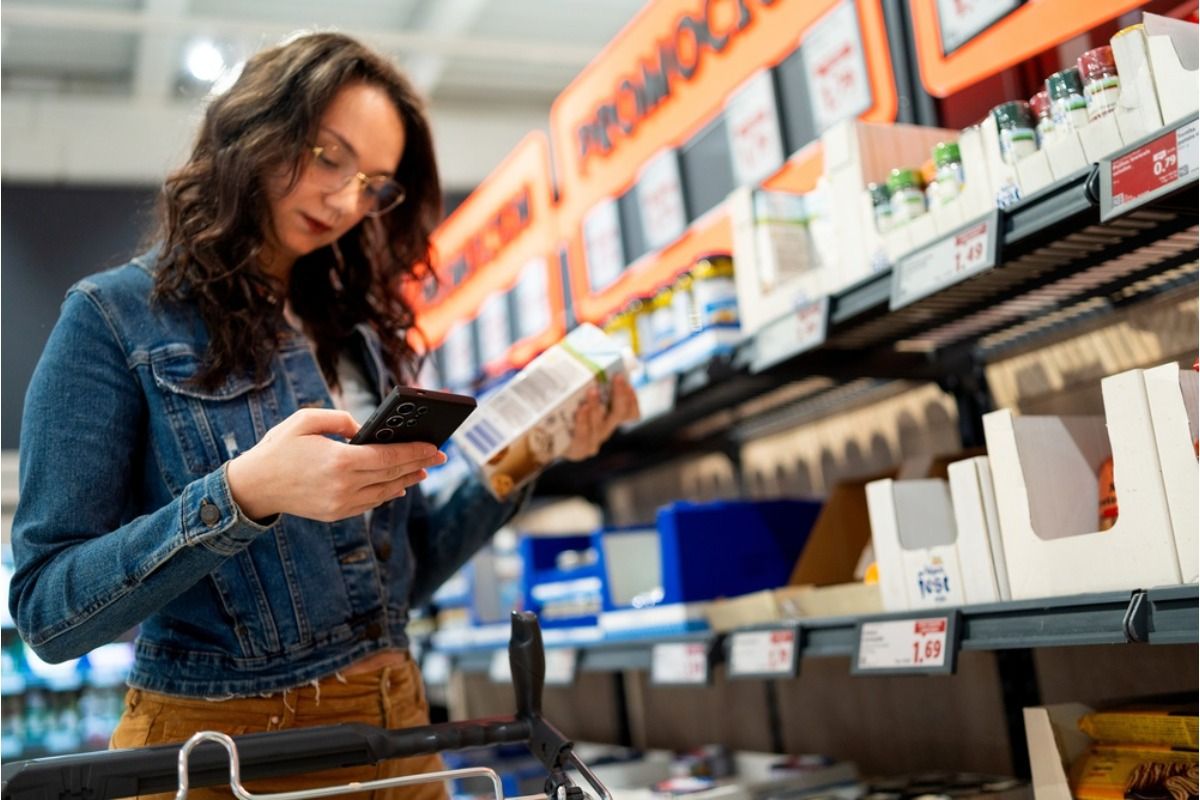
Many consumers say price-checking apps and browser extensions have made comparisons easier than ever. Shoppers can instantly see where an item is cheapest. This has reportedly reduced impulse buying significantly. And it has changed how people approach routine shopping decisions.
“I Didn’t Realize I Was Overpaying That Often” Became a Common Reaction
That sentiment appears frequently after shoppers compare prices across stores. Many say they assumed price differences were minimal before they started checking. Instead, they discovered consistent gaps across categories. And that realization has changed buying behavior for many households.
Retailers Are Responding With Frequent Discounts and Sales
According to industry observers, stores are now adjusting pricing strategies more aggressively. Flash sales, loyalty programs, and limited-time offers are becoming more common. Businesses are reportedly competing harder for price-conscious customers. And this has intensified the overall pricing landscape.
Some Consumers Are Delaying Purchases to Wait for Better Deals
Shoppers say they are no longer buying items immediately unless necessary. Many reportedly wait days or weeks to track price changes. This behavior is especially common for non-urgent purchases. And patience is becoming a financial strategy for many households.
“We Don’t Trust the First Price We See Anymore”
That phrase reflects growing skepticism among consumers. People increasingly assume that a better deal exists elsewhere. This has led to a habit of double-checking even small purchases. And trust in initial pricing has noticeably declined.
Grocery Shopping Has Become a Comparison Routine
According to consumers, even grocery trips now involve checking multiple stores. Families reportedly compare weekly prices between supermarket chains. Small differences in staples like milk, bread, and eggs add up over time. And this has made grocery planning more complex.
Brand Loyalty Is Weakening Because of Price Differences
Many shoppers say they no longer stick to one preferred brand or store. If another retailer offers a better deal, they switch immediately. This flexibility has become more common across income levels. And loyalty is now heavily influenced by price rather than habit.
“Every Dollar Feels Worth Checking Twice” Became a Mindset
That phrase sums up the shift in consumer behavior. People are more careful, analytical, and deliberate with spending decisions. Small savings are no longer ignored or overlooked. And price awareness has become part of everyday life.
Retail Competition Is Increasing Across All Categories
According to market trends, businesses are under more pressure to match competitor pricing. Even small retailers are adjusting strategies to stay competitive. Consumers now have more transparency than ever before. And that has changed the balance of power in shopping.
Some Say Shopping Now Feels Like a Research Task
Shoppers describe the process as more time-consuming than before. Instead of quick decisions, buying something often involves comparison and evaluation. While some appreciate the savings, others feel it adds stress. And convenience has decreased for many consumers.
A New Era of Constant Price Awareness
In the end, the situation isn’t just about price differences, it’s about how modern consumers now actively compare stores before almost every purchase, revealing wider-than-expected gaps in pricing and reshaping shopping into a more cautious, research-driven habit across households.