
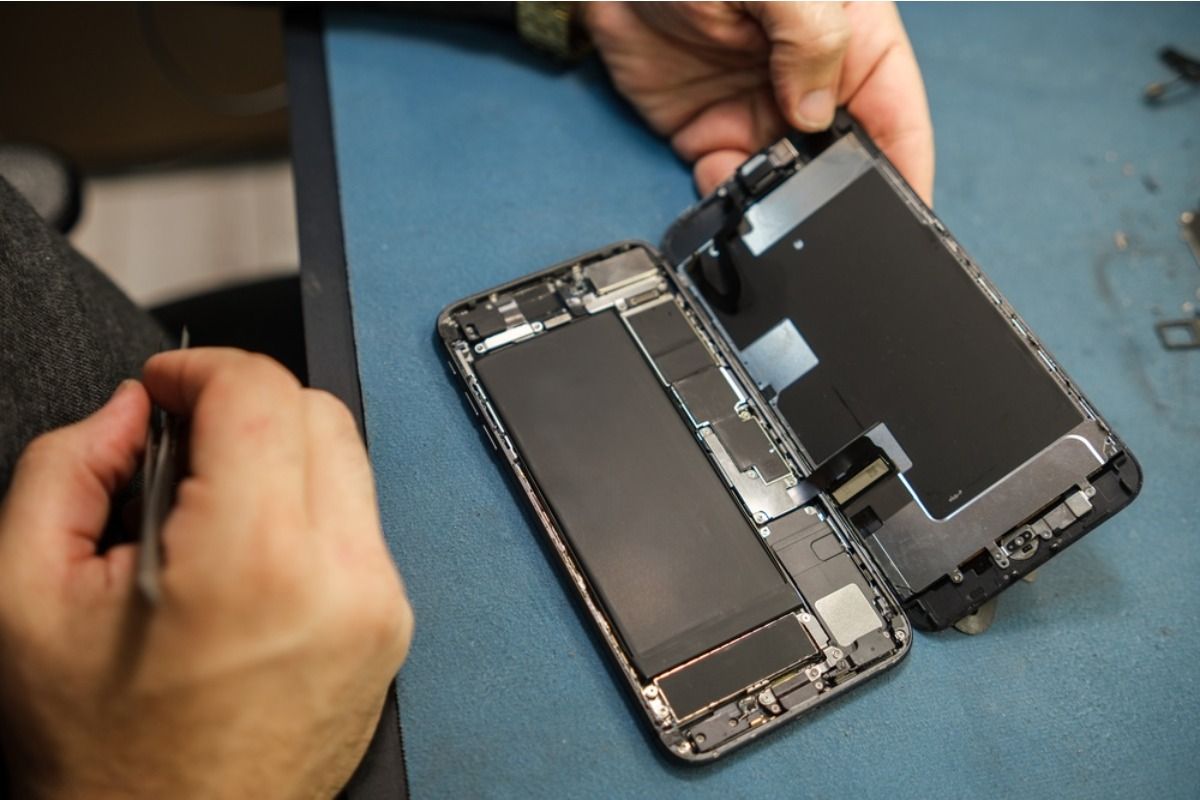
More Consumers Are Repairing Old Items Instead of Replacing Them and Saying “We’re Trying to Make Things Last”
More consumers are repairing old items instead of replacing them and saying “we’re trying to make things last,” as rising costs and changing attitudes toward consumption push people to extend the life of everyday products.
Repair Culture Is Making a Quiet Comeback
According to consumers, fixing broken items used to feel inconvenient or outdated. Replacing things was often quicker and easier. But now, more people are reconsidering that habit. And repair is starting to feel practical again.
“If It Still Works, We Fix It” Mindset Is Growing
That phrase is becoming increasingly common among households. People say they are more willing to keep using items as long as they can be repaired. Instead of discarding products immediately, they explore repair options first. And that shift is changing buying behavior.
Rising Prices Made Replacement Less Attractive
Consumers say higher costs are one of the biggest reasons for this change. Appliances, electronics, and furniture have become more expensive to replace. Repairing small issues now feels more economical. And saving money has become a stronger motivation.
YouTube Tutorials Turned Into Repair Manuals
Many people now rely on online videos to fix broken items themselves. From phones to kitchen appliances, tutorials guide step-by-step repairs. What once required professionals is often attempted at home. And this has made repair more accessible.
Local Repair Shops Are Seeing More Customers
According to small business owners, demand for repair services has increased. Customers are bringing in items they would previously have replaced. Electronics, clothing, and household goods are commonly repaired. And this is giving repair businesses new life.
“Throwaway Culture Feels Wasteful Now”
That sentiment is widely shared online. Consumers say they are more aware of environmental impact and waste. Discarding items too quickly feels unnecessary to many people. And sustainability concerns are influencing everyday decisions.
Older Appliances Are Getting Second Lives
Households report holding onto refrigerators, washing machines, and microwaves longer than before. Instead of upgrading quickly, they repair parts when needed. Some say older appliances are built more reliably than newer ones. And that perception supports repair decisions.
DIY Repair Kits Became More Popular
Repair kits for phones, furniture, and electronics are increasingly available. Consumers say these kits make small fixes less intimidating. Even beginners are attempting basic repairs. And this trend has grown alongside online guides.
“It’s Cheaper to Fix Than Replace” Is a Key Reason
Many consumers say the decision is purely financial. A small repair cost is often much lower than buying new. Even if repairs are temporary, they extend product life. And that makes budgeting easier for many households.
Social Media Encouraged Repair Sharing
Online platforms now feature repair success stories and tips. Users share before-and-after fixes, encouraging others to try. This has created a sense of community around fixing items. And it normalizes repairing instead of replacing.
Clothing Repairs Are Also Increasing
People are sewing, patching, and altering clothes instead of discarding them. Small repairs like buttons, zippers, and tears are now commonly fixed. Fast fashion habits are slowly being challenged. And clothing longevity is becoming more important.
Some Manufacturers Are Responding
According to reports, some companies are designing products that are easier to repair. Replaceable parts and repair-friendly designs are becoming more common. This helps extend product lifespan and customer satisfaction. And it supports the growing repair movement.
Younger Consumers Are Driving the Change
Many younger buyers say they prefer sustainability and cost efficiency. They are more open to fixing things themselves or learning repair skills. This mindset is influencing broader consumer trends. And it is changing how value is defined.
A Shift From Replacement to Restoration
In the end, the situation isn’t just about repairing items, it’s about changing consumer values, where people are increasingly choosing to maintain and restore what they already own instead of replacing it, reshaping how modern households approach spending and waste.