More Americans Are Letting Packages Sit in Online Carts and Saying “We’re Thinking Twice Before Buying Anything”
More Americans are letting packages sit in online carts and saying “we’re thinking twice before buying anything” as rising prices, financial uncertainty, and growing purchase regret are changing how consumers shop online.
Online Shopping Used to Feel Instant
For years, many shoppers treated online purchases almost automatically. A few clicks could lead to same-day excitement and quick deliveries. Buying things online became fast, easy, and emotionally rewarding. But lately, consumers say that feeling has started fading.
Shopping Carts Are Becoming “Waiting Rooms”
Instead of checking out immediately, people now leave products sitting in carts for days or even weeks. Some revisit items repeatedly without buying them. Others eventually remove everything completely. And the pause between wanting something and purchasing it keeps getting longer.
“Do I Really Need This?” Became a Habit
Consumers say they now question purchases much more carefully. Even relatively small orders get reconsidered multiple times. Shoppers think about budgets, priorities, and whether excitement will disappear after delivery. And many say the answer is increasingly “yes.”
Rising Prices Changed the Psychology of Spending
One major reason is simple: everything feels more expensive now. Consumers notice higher costs across nearly every category. A purchase that once felt harmless suddenly feels financially significant. And people say they no longer spend casually the way they used to.
Buyers Are Tired of Regret Purchases
Many shoppers admit they became frustrated with buying things that quickly lost value emotionally. Packages arrived, excitement lasted briefly, and then the items sat unused. After repeating that cycle enough times, consumers started slowing down intentionally. And hesitation became a form of self-control.
Social Media Shopping Fatigue Is Growing
Online platforms constantly promote products through ads, influencers, and trends. Consumers say they feel overwhelmed by nonstop recommendations telling them what they “need.” Instead of creating excitement, the pressure is making many shoppers skeptical. And some now avoid impulse buying almost out of resistance.
Cart Abandonment Became Financial Strategy
For some consumers, leaving items in carts is now deliberate. They wait to see if they still want the product later. Sometimes the urge disappears completely after a day or two. And people say this simple delay helps prevent unnecessary spending.
Shipping Costs Push People Away Too
Extra fees at checkout also contribute to hesitation. Taxes, shipping charges, and delivery costs often make totals feel higher than expected. Some consumers abandon purchases the moment additional costs appear. And many say final checkout prices feel increasingly discouraging.
Younger Shoppers Are Especially Cautious
Younger adults facing rent increases, debt, and economic uncertainty are reportedly becoming very selective about purchases. They say financial stability feels fragile right now. So unnecessary spending receives much more scrutiny than before. And impulse shopping feels harder to justify emotionally.
Retailers Are Seeing Slower Buying Decisions
Businesses are noticing consumers taking longer to commit to purchases. Flash sales and urgency tactics still work sometimes, but shoppers are more resistant than before. Many buyers now compare products, search for reviews, and wait for discounts carefully. And quick emotional purchases are becoming less reliable.
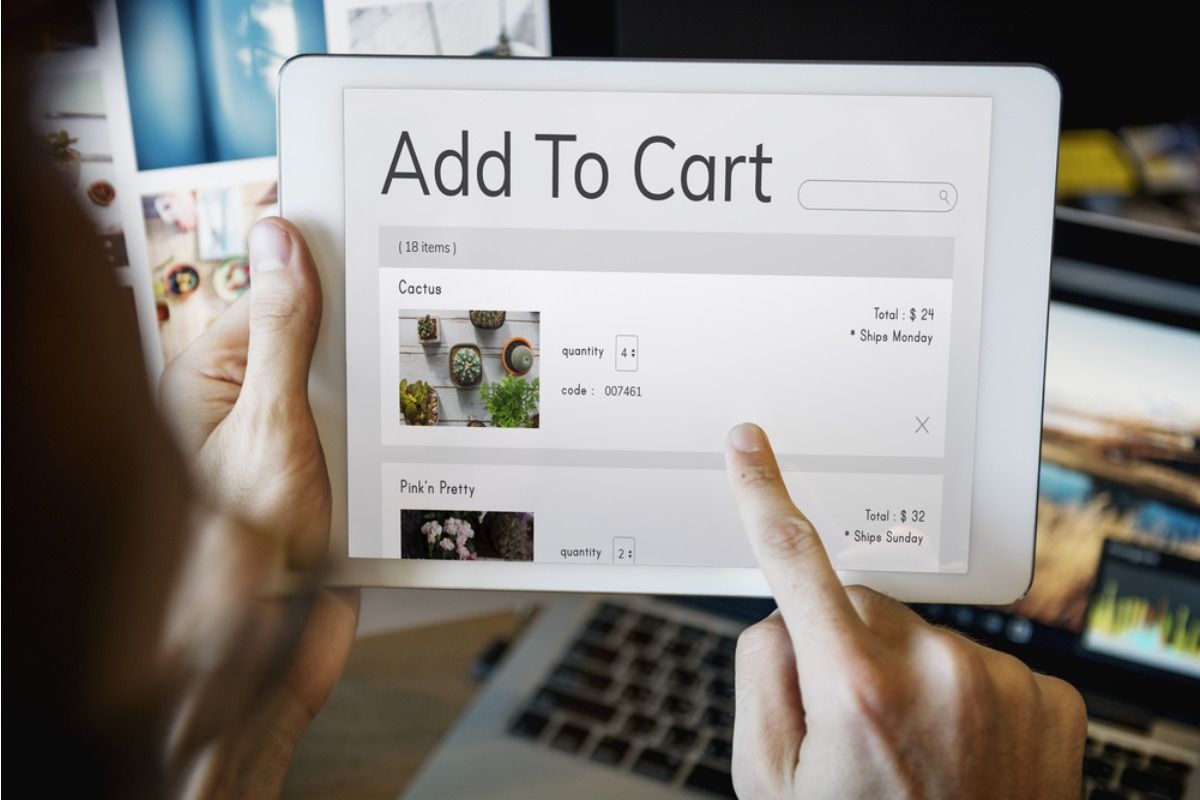
“Adding to Cart” No Longer Means Buying
What used to be the final step before checkout has become part of the thinking process instead. Online carts are now places where people debate purchases with themselves. Some eventually buy. Many don’t. And the hesitation reflects broader anxiety about spending overall.
A Shift Toward More Careful Consumer Habits
In the end, the situation isn’t just about abandoned carts—it’s about how consumers are becoming more cautious, reflective, and financially defensive, creating a shopping culture where people increasingly stop before clicking “buy now” and ask themselves whether they truly want to spend the money at all.