New York’s POWER Rebate Checks Are Still Going Out to 8.2 Million Residents Through December, With No Application
Two neighbors on the same street can open their mailboxes weeks apart and still both be on schedule. That is how New York’s POWER rebate checks are going out: the state is mailing them in no set order, and FingerLakes1 reported on Nov. 6 that the mailings continue through December.
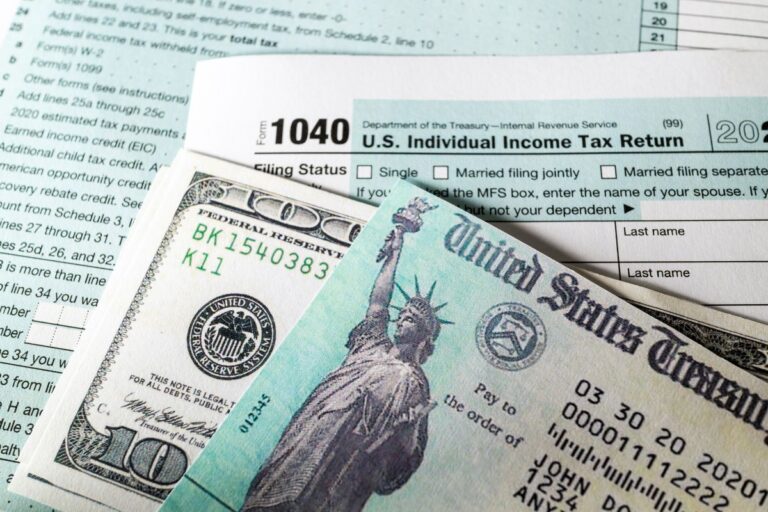
The one-time payment, a $1 billion energy rebate written into the state budget, is reaching about 8.2 million New Yorkers, and none of them has to apply for it. The checks are $100, $150 or $200, depending on filing status and 2024 income.
Who Gets $100, $150 or $200
The amount comes from a person’s 2024 New York return. According to the state Department of Taxation and Finance, the payments break down this way:
- $100: single filers, heads of household and married people filing separately, with 2024 adjusted gross income of $150,000 or less.
- $200: married couples filing jointly and qualifying surviving spouses, with income of $150,000 or less.
- $150: joint filers and qualifying surviving spouses with income above $150,000 but not above $300,000.
The department says a person must have filed a full-year New York resident return for 2024 on time, which means by April 15, 2025, or by Oct. 15, 2025, under a valid extension. Anyone claimed as a dependent on another person’s 2024 return does not qualify. Part-year residents are also left out, the department’s page says.
How the $1 Billion Got Here
The payments are funded by a one-time $1 billion appropriation in the state’s enacted budget. Gov. Kathy Hochul announced the program on Sept. 14, with mailings beginning Sept. 21 and continuing through December. Tax Commissioner Amanda Hiller said at the time that the department was working to deliver the checks quickly.
By Oct. 15, the governor’s office said 3 million New Yorkers had received checks and another 5.2 million were due in the coming weeks. Those two figures add up to the 8.2 million total. The state’s release linked the program to higher costs from federal tariffs and from pump prices tied to the war in Iran.
FingerLakes1 noted that these payments are separate from the inflation refund checks that went out in fall 2025. An earlier Tonic Edit story covered what was left after the first 3 million went out.
No Application, No Utility Bill, No Tracker
The checks arrive on their own. The tax department’s page says people do not need to apply, sign up or send in a utility bill. The Sept. 14 release described the payments the same way: nothing for recipients to do.
The same page says checks are mailed, not direct deposited, even for people whose 2024 refund came by direct deposit. It also says the check will not be applied to outstanding debts, even if the 2024 refund was.
What the state does not offer is a way to check on one payment. The department says its Contact Center representatives do not have check status information, and it cannot give a specific delivery date. Mailings are not organized by ZIP code or region, so two households a block apart can see checks on different days.
A check goes to the most recent address on file, which usually comes from the latest return a person filed. The department says that anyone who moved after filing for 2024 but then filed a 2025 return with the new address will have the check sent to the 2025 address. Updating an address is done through an Individual Online Services Account on the department’s website.
Because there is nothing to apply for, an unsolicited call, text or email asking for personal information or a fee to “release” a rebate does not match how the program works. The tax department’s page links to a fraud reporting form.
What the Same Budget Changed for Utility Bills
The rebate is one piece of a larger energy package in the state’s fiscal 2027 budget. According to the Oct. 15 release, utilities can no longer pass lobbying, public relations campaigns, political donations or luxury travel costs on to ratepayers. Utility chief executive pay will be tied to energy affordability goals set by the Public Service Commission, and excess utility profits are to be returned to customers.
The release also describes a Ratepayer Protection Plan. Utilities must justify capital projects and show they looked at zero-emission options, and rate reviews now get 14 months. If a rate case would push the average household’s energy burden above 6 percent, the state can bring in an independent Affordability Monitor.
Hochul said in the release that her focus is helping New Yorkers keep more money in their pockets, citing rising gas and utility costs.
Other Help on the Monthly Bill
The same Oct. 15 announcement pointed to a separate program for ongoing bills. The Energy Affordability Program gives income-eligible households a monthly discount on electric or gas bills. The state says it already reaches about 1 million households and estimates that about 2.5 million more are eligible but not enrolled.
The Department of Public Service says households that receive HEAP get the discount regardless of fuel or benefit type. Other qualifying benefits include SNAP, Medicaid and SSI. Households that do not receive any of those can apply through nyeeap.com or by contacting their utility, the department says. A related story covers the higher HEAP heating benefit for oil and propane homes.
For POWER itself, the timeline is the state’s own: checks are going out through December, and a household that qualifies and has not yet seen one is not necessarily missing anything.
This article was produced with AI assistance and edited for accuracy against the sources linked above.
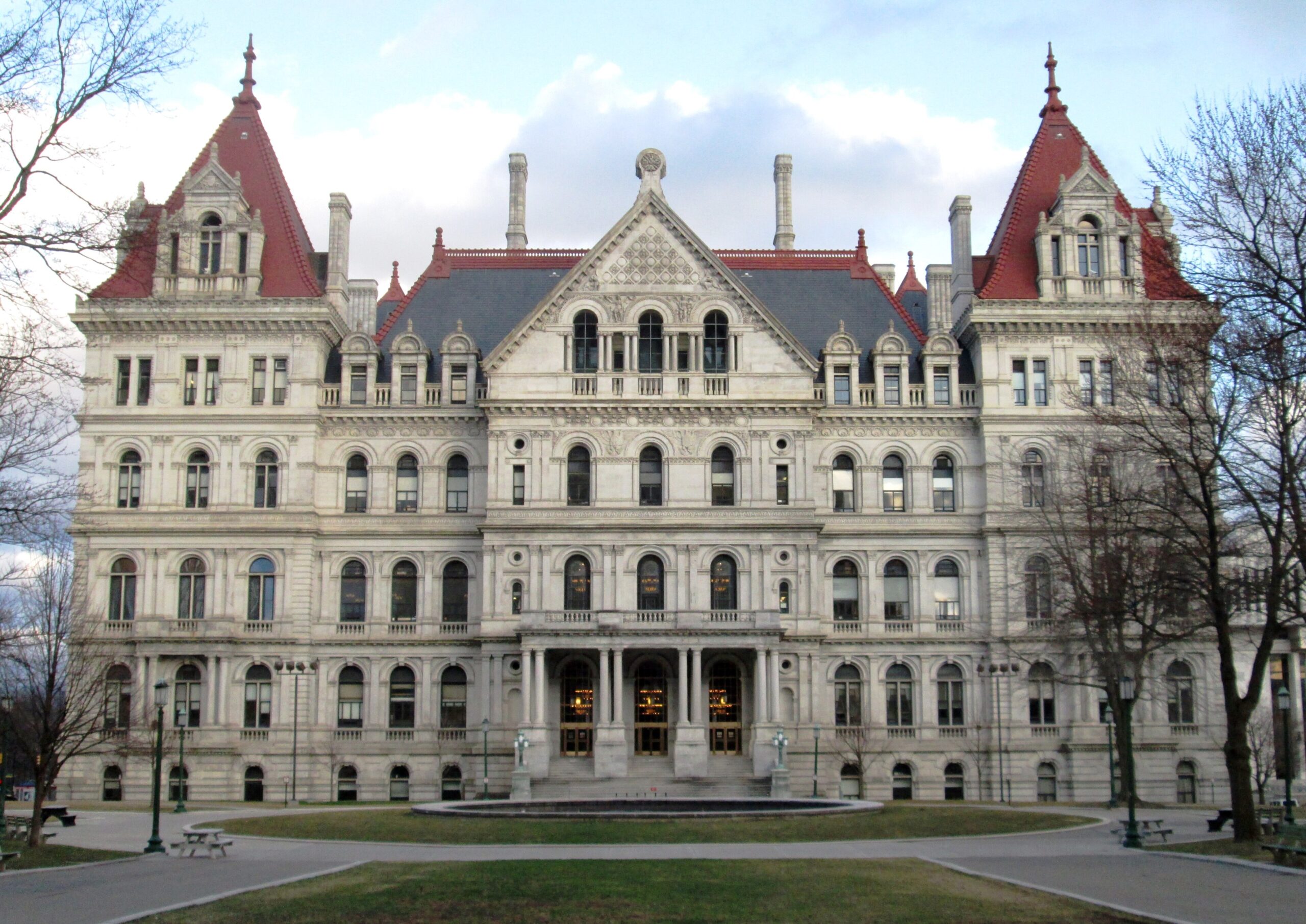
Image: Beyond My Ken – CC BY-SA 4.0/Wikimedia Commons