National Fuel Expects a Typical Home’s Winter Gas Heating Bill to Fall About $38, to $742, From November Through March
Households in Buffalo, Erie and the rest of National Fuel’s territory got a rare bit of good news about this winter’s heating bill. The utility expects it to be smaller than last year’s.
National Fuel projects that a typical New York home will spend about $742 to heat with natural gas from November through March. That is nearly 5% below last winter’s average of $780, a savings of about $38 for the season.
What National Fuel Is Projecting
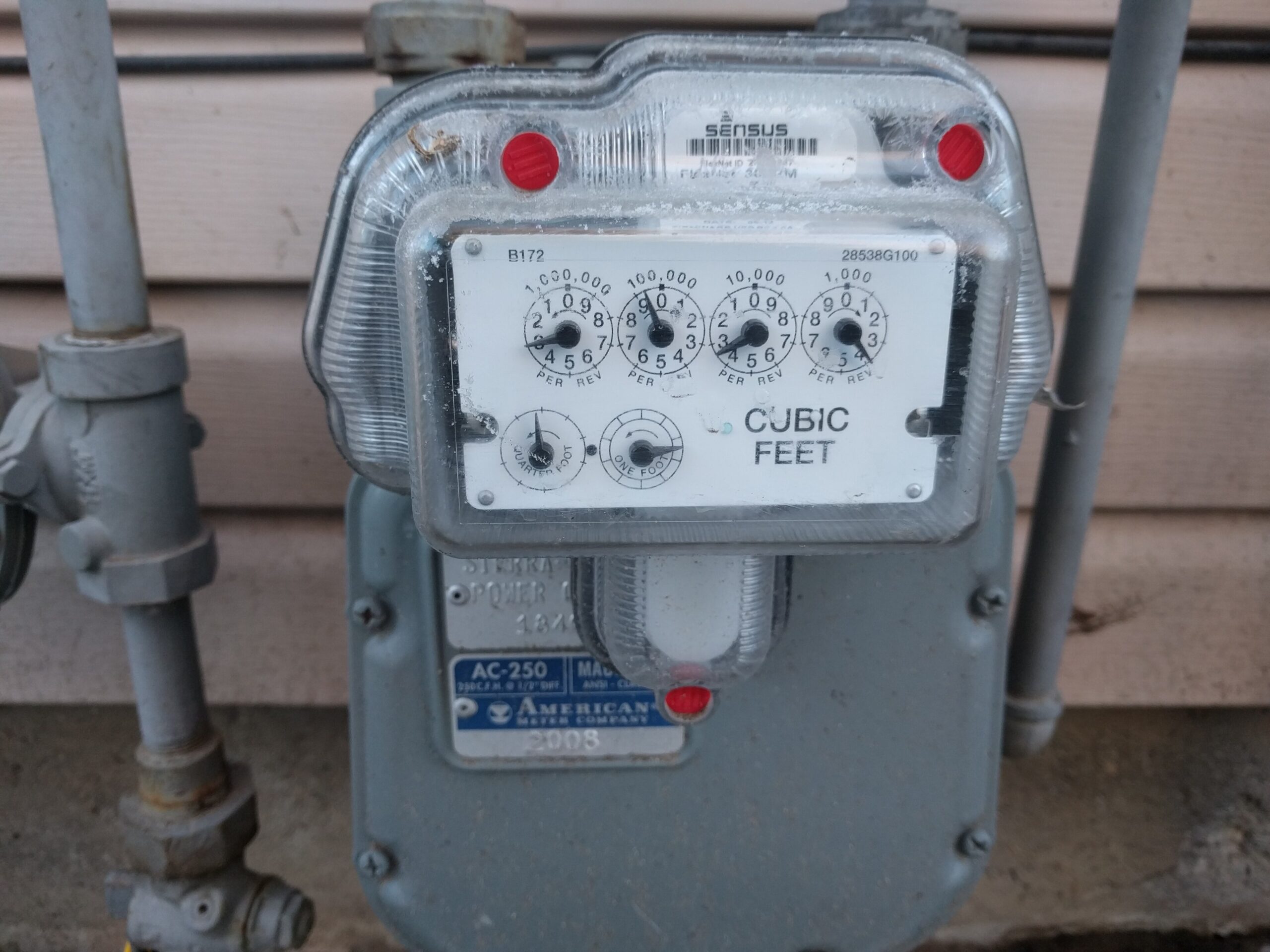
The company laid out the estimate in its winter outlook, released Oct. 19 from its Williamsville, New York, offices. The $742 figure assumes a typical home uses 71.3 thousand cubic feet of gas over the five-month heating season.
Spread across those five months, $742 works out to about $148 a month on average, though January and February bills usually run well above that and November and March bills below it. The $38 drop for the season is roughly $7.60 a month.
The projection is an estimate based on typical weather, not a set bill. A colder-than-normal winter would push usage, and bills, higher. A mild one would push them lower.
Michael Colpoys, president of National Fuel Gas Distribution Corporation, said customers are looking for certainty when it comes to household energy costs. National Fuel and its affiliated utilities serve about 1.1 million customers across New York, Pennsylvania and Ohio.
How Gas Compares With Other Ways to Heat
National Fuel’s outlook also compares what the same home would spend this winter using other fuels. Its projections are:
A cold-climate air-source heat pump would cost about $1,474 to $1,769. Propane would cost about $3,372. Electric resistance heat, such as baseboard heaters, would cost about $4,467.
By those numbers, a home heating with propane would spend about $2,630 more than the same home on natural gas this winter, and one using electric baseboard heat would spend more than six times as much. Even a modern heat pump comes in at roughly double the gas estimate under the company’s assumptions.
Those figures come from the utility, which sells natural gas, so they are best read as a rough guide rather than a neutral comparison. The federal Energy Information Administration publishes its own winter fuel forecasts in its Short-Term Energy Outlook. Earlier this fall, EIA’s forecast put homes that heat with oil on track to spend $2,115 this winter, while natural gas bills fall to $640 on average nationally.
The company also points to energy burden, the share of income spent on heating. New York’s benchmark for natural gas is below 3% of income. National Fuel estimates the burden at about 1.6% for an Erie County household earning the county’s median income of $73,011.
Help for Households That Still Struggle
A lower average doesn’t help much for a household that’s already behind. National Fuel’s outlook lists several kinds of help.
The Home Energy Assistance Program, or HEAP, run by New York’s Office of Temporary and Disability Assistance, was expected to open Nov. 2. Gas-heated households may get a regular benefit of $400, with supplements for some income-qualified and vulnerable households. Households whose heat is included in rent may get $21 to $50.
HEAP’s monthly income limits run from $3,563 for one person up to $9,045 for a household of six, according to National Fuel. Eligible New York customers may qualify for up to $1,612 in combined help through the available programs.
National Fuel also offers budget billing, which spreads the year’s cost into equal payments, along with payment arrangements and energy-efficiency programs. Customers can reach the company about those options at 1-800-365-3234, Monday through Friday, 7 a.m. to 6 p.m.
Karen Merkel, a National Fuel spokesperson, said customers who may be struggling should contact the company as early as possible.
Ways to Trim the Bill Further
The outlook also lists basic steps to lower usage: weatherizing the home, keeping heating equipment maintained, replacing furnace filters, and lowering the thermostat while sleeping or away from home.
Gas emergencies in New York and Pennsylvania can be reported 24 hours a day at 1-800-444-3130, and in Ohio at 1-800-838-0933. Anyone planning outdoor work should call 811 before digging.
Where Rates Are Set
National Fuel’s rates in New York are regulated by the state Department of Public Service, and the cost of the gas itself is passed through to customers. That is why falling supply costs can lower the winter outlook even when delivery rates don’t change.
Pennsylvania customers have a separate rate picture. Earlier this year, Pennsylvania regulators cut National Fuel Gas’s requested rate hike by about 47% and ordered a one-time $30 credit for low-income customers. Current rates and programs for each state are listed on National Fuel’s website.
For a New York household that heats with gas, the takeaway is modest but real: if the winter is close to normal, the season’s bill should come in a little lower than last year’s.
This article was produced with AI assistance and edited for accuracy against the sources linked above.