Massachusetts Homes That Heat With Oil Get 20% More Fuel Aid This Winter as the State Adds $15 Million for About 156,000 Households
Massachusetts households that heat with oil and already qualify for fuel assistance will receive a bigger benefit this winter than in past seasons. Gov. Maura Healey’s office said the state is adding $15 million to the Home Energy Assistance Program, known as HEAP, which reaches about 156,000 low-income households. Oil-heat households get a 20% increase, and homes on utility heat get 15%.
The money covers the heating season that began Nov. 1, 2026 and runs through April 30, 2027.
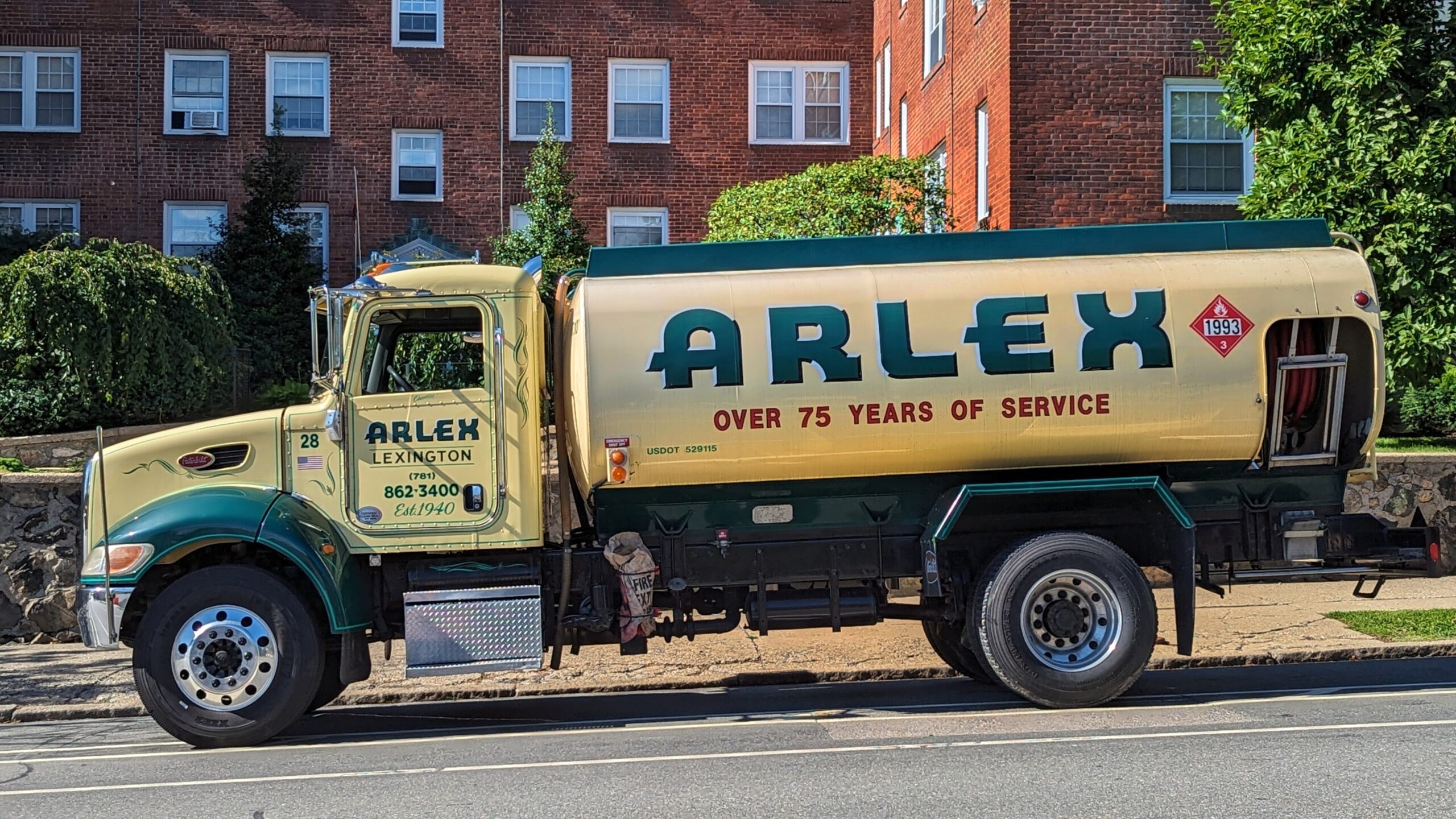
Oil Was $6.08 a Gallon When the State Acted
The increase came out of an energy emergency that Healey declared on Oct. 5, according to the governor’s announcement. The release said heating oil cost an average of $6.08 a gallon as of Sept. 28, up 73% from $3.52 a year earlier.
The order itself, Executive Order 659, directs the Department of Energy Resources and the Department of Environmental Protection to identify alternative compliance payment funds to add to federal HEAP money this winter. The order stays in effect until April 30, 2027, unless it is changed or revoked.
What 20% and 15% Add Up To
The state said HEAP benefits currently run from about $525 to $1,200 per household. By that math, a household receiving $1,000 would see about $200 more on oil heat or about $150 more on utility heat. The administration did not publish a table of new benefit amounts, so the exact check depends on a household’s income, size and fuel.
Housing and Livable Communities Secretary Juana Matias said in the release that the higher benefits and expanded access mean more households can get help staying warm. Joe Diamond, executive director of the Massachusetts Association for Community Action, said community action agencies will help households regardless of which fuel they use, and that the initiative includes weatherization for those who qualify for fuel assistance.
The 156,000 figure matches last winter’s caseload. The release said HEAP served more than 156,000 households, covering over 300,000 people, during the 2025-2026 season.
Renters and Homes Without an Overdue Bill Can Qualify
HEAP is not limited to homeowners with an oil tank. The governor’s announcement said households whose heat is included in the rent can qualify, and applicants do not need to be on public assistance or have unpaid heating bills.
The state’s HEAP overview sets the income cap at 60% of state median income, which is $103,049 for a family of four in fiscal 2027. A single person can earn up to $53,585. Households must reapply every year, and first-time applicants need an intake appointment.
Applicants should have a photo ID, a list of household members, heating bill details, housing documents such as a lease or mortgage statement, and proof of income from the 30 days before applying. The program is free, and the state warns that anyone charging an application fee is a scammer.
One Application Also Opens the Door to Repairs
People apply online at mass.gov/heatinghelp, in person at a local Community Action Agency or by mail. The same application covers HEARTWAP, which pays for emergency heating system repair or replacement, and the Weatherization Assistance Program, according to the state’s heating help page.
Phone help is available through the Massachusetts Heat Line at 1-800-632-8175, and National Grid’s HEAP page lists the same income limits and ways to apply for customers of that utility. Households that qualify for HEAP may also be eligible for a discounted energy rate.
A Charity Fund and a Request to Congress Sit Alongside It
The announcement also created the Emergency Winter Warmth Fund with Citizens Energy Corporation, which started the fund with $100,000. The fund is meant to support both existing low-income heating assistance and the new middle-income oil benefit, and information is posted at citizensenergy.com/warmth. Joe Kennedy III, president of Citizens Energy, said in the release that the fund is about making sure no one faces that choice alone.
Healey also asked Congress for $3 billion in emergency federal heating aid, which would bring the national program to $7 billion, the release said. The state’s extra $15 million is separate from whatever Washington decides, and the release said the new steps build on the state’s existing $49 million heating assistance investment.
Homes that earn too much for HEAP are not shut out entirely. The state separately created an up-to-$680 heating oil benefit for middle-income households that opens in December, and a second piece of the same relief package takes a solar charge off electric bills from January through March. Customers worried about a shutoff can also check the state’s winter protection rules through March 15.
WBUR reported that the plan was meant to cut energy bills for roughly 85% of ratepayers, and the administration said the state would cover the costs with the alternative compliance payments that electricity suppliers make when they miss clean energy quotas.
This article was produced with AI assistance and edited for accuracy against the sources linked above.
Image: Daderot – CC0/Wikimedia Commons