Claims Close Nov. 9 in a $533 Million Generic Drug Price-Fixing Settlement With Sandoz, Taro, Apotex and Heritage
Monday, Nov. 9, is the last day to file for a share of $533 million in generic drug settlements, and anyone who skips it gets nothing from this pot. The money comes from a class action over alleged price-fixing, and it reaches ordinary patients who paid copays or coinsurance, not only insurers. The companies named are Sandoz, Taro, Apotex and Heritage.
How $533 Million Divides Among Four Drugmakers
The cases sit together in a federal multidistrict litigation, In re Generic Pharmaceuticals Pricing Antitrust Litigation, No. 16-MD-2724, before Judge Cynthia M. Rufe in the Eastern District of Pennsylvania. The end-payer class counsel is Fine, Kaplan and Black, R.P.C.
According to Settlement Insight’s breakdown of the class settlements, the total is $533 million across four settlements. Sandoz is paying $275 million, Sun and Taro $200 million, Apotex $48 million and Heritage $10 million.
Sandoz settled together with its subsidiary Fougera Pharmaceuticals. The Sun settlement covers Sun Pharmaceutical Industries and Taro Pharmaceuticals USA, according to ClaimDepot’s summary of the Sun and Taro notice. The companies deny wrongdoing, and many other defendants in the litigation have not settled.
Payments are pro rata. That means each valid claim gets a share that depends on how many claims arrive and how much the claimant spent, and no per-person figure has been published. Fees and costs come out first; for the $200 million Sun and Taro fund, the notice allows up to $750,000 for administration, up to $4 million in expenses and up to about $667,000 in attorneys’ fees.
The litigation alleges that generic drug manufacturers conspired to raise or maintain prices, as Legal Examiner describes it. The covered period is the decade from May 2009 through the end of 2019. Judge Rufe granted final approval to the Sandoz settlement on Sept. 26, 2025, and to the Sun and Taro settlement on Jan. 23, 2026, according to the OpenClassActions settlement page. The claims window is the last step before money can move.
Who Counts as a Purchaser, and Which States Are Left Out
The official settlement site says the settlements are for people who purchased certain prescription generic drugs between May 1, 2009, and Dec. 31, 2019. In practice, that includes consumers who paid all or part of the cost, whether out of pocket, by copay or by coinsurance, along with insurers, employer plans and union benefit funds that reimbursed those costs.
Purchases must have been for personal use rather than resale. The class covers the 50 states except Indiana and Ohio, plus the District of Columbia, Puerto Rico and the U.S. Virgin Islands, per the Sun and Taro notice summary. Governmental Medicaid agencies, private Medicaid managed care organizations, fully insured employers and pharmacy benefit managers are excluded.
Pharmacies and wholesalers that bought directly from the manufacturers are not part of this class. They have separate settlements, according to OpenClassActions’ deadline tracker.
The Drugs and the Records a Claim Needs
The covered list runs to hundreds of common generics, the OpenClassActions tracker reports, including medicines used for blood pressure, heart conditions, cholesterol, diabetes, thyroid conditions, asthma, infections and depression. The official site carries the complete list of named drugs, and the claim form asks claimants to list the ones they bought.
Proof is required. Acceptable records include pharmacy purchase histories, receipts, insurer explanation-of-benefits statements and account statements. Claimants can file online at the settlement website or request a paper form by calling 1-877-316-0171, and a mailed claim must be postmarked by Nov. 9.
Filing is free. Class counsel has warned against paying claims-recovery firms, and the settlement administrator, A.B. Data, accepts claims directly.
A Second Program Run by the State Attorneys General
A separate effort is easy to confuse with this one. Connecticut’s attorney general announced on Oct. 1 a $400 million settlement with Sandoz and Fougera led by a coalition of 43 states and territories, and said it will return tens of millions of dollars to consumers who bought certain generics between May 2009 and December 2019.
That deal needs final court approval in Connecticut and is not part of the $533 million. A federal judge in Connecticut granted it preliminary approval on Oct. 16, and no fairness hearing date has been published. A related state program built on earlier settlements of about $96.5 million has its own claim deadline of March 8, 2027, Settlement Insight reports. The attorney general’s office points consumers to AGGenericDrugs.com or 1-866-290-0182.
Of that $400 million, about $280 million is restitution, with roughly $172 million earmarked for consumers and about $100 million for state entities, and the rest covers fees and costs held by the states. Sandoz also agreed to a ten-year bar on price-fixing, bid-rigging and market allocation for generic drugs. The state claims process for consumers began Sept. 22, 2026.
The sources do not say whether someone who files in the class action must file again for the state program, so the state site is the place to confirm. States are also preparing for a first trial in Hartford in February 2027, the Connecticut attorney general’s office said.
No payment date had been announced for the class money as of Oct. 1, the tracker says. Anyone who misses Monday’s cutoff cannot file for it afterward, unless the court orders a change.
Readers tracking other deadlines can see the Tonic Edit’s coverage of the Teleflora text settlement, due Nov. 17, and the Equifax hard-inquiry claims, due Nov. 29.
This article was produced with AI assistance and edited for accuracy against the sources linked above.
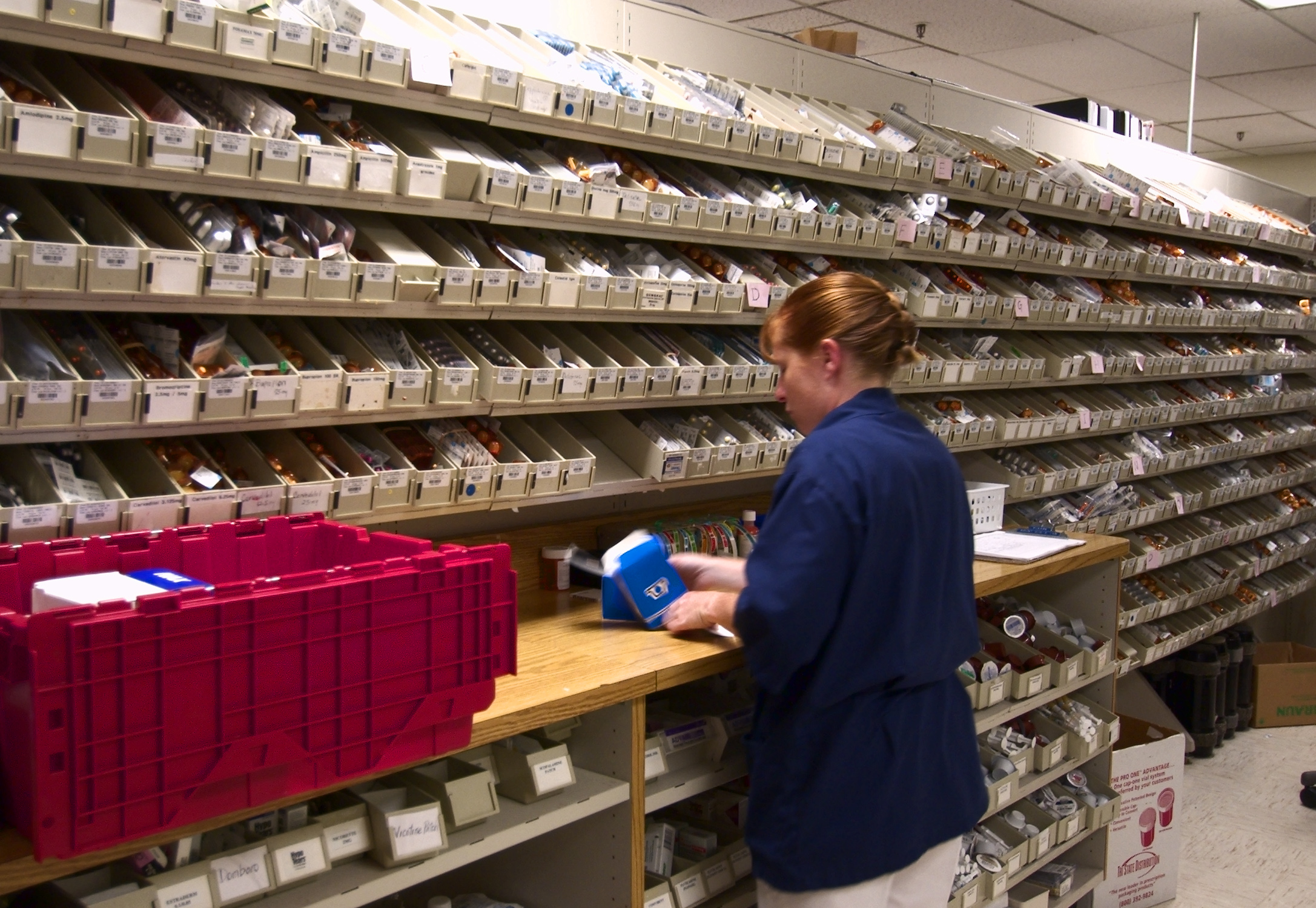
Image: U.S. Navy photo by Chief Warrant Officer 4 Seth Rossman – Public domain/Wikimedia Commons