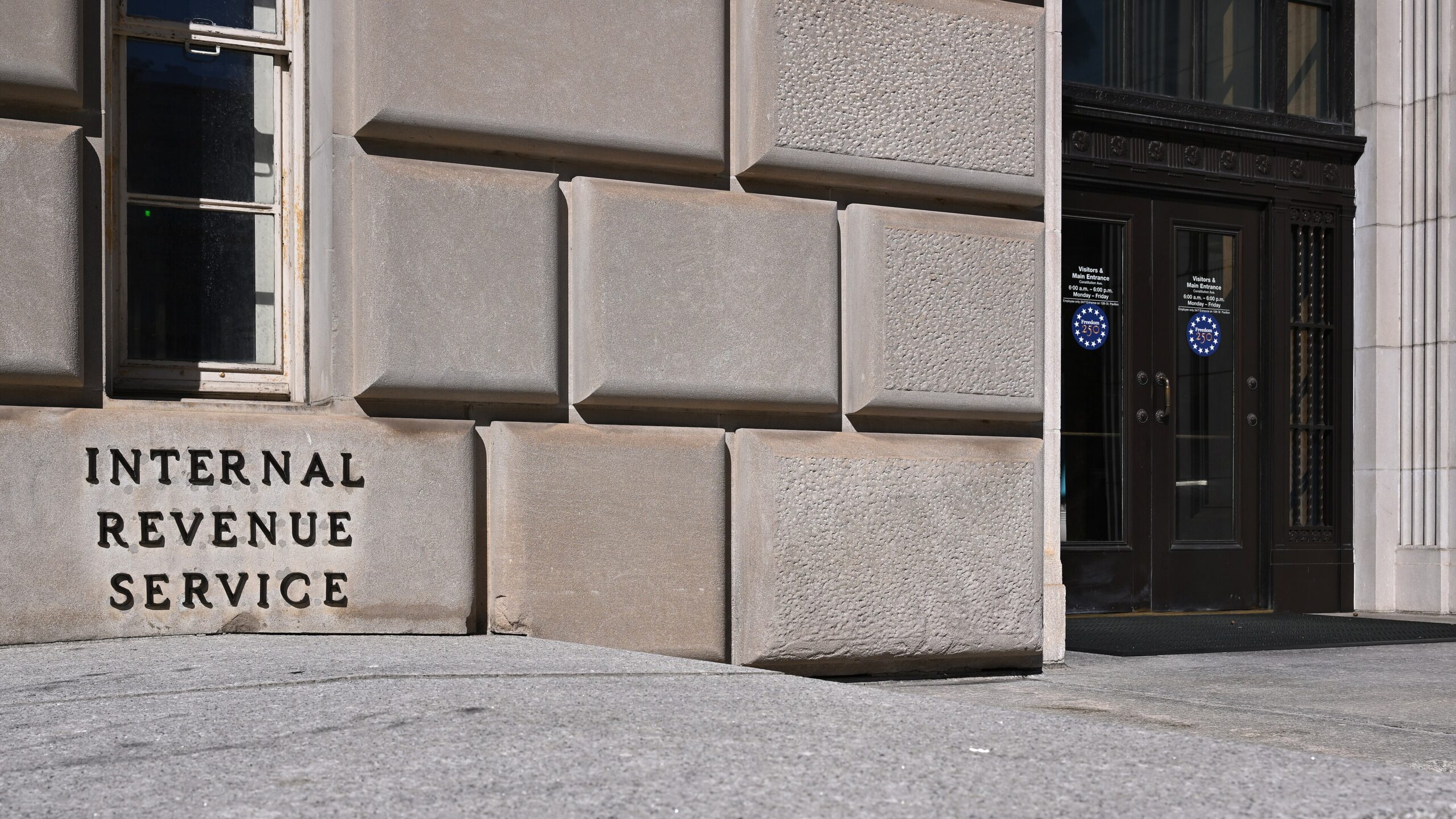
The IRS Has Mostly Stopped Mailing Paper Refund Checks, and Filers Without Bank Details on File Get a CP53E Notice Instead
For decades, a tax refund for millions of households meant a green Treasury envelope in the mailbox. That routine is mostly over. The Internal Revenue Service says it generally stopped issuing paper refund checks to individual taxpayers after Sept. 30, 2025, and filers who leave their bank details off a return now get a letter and a notice called a CP53E instead of a check.
The change matters most for people who don’t have a bank account, who switched banks after their last return, or whose direct deposit bounces. With the next filing season a couple of months away, the IRS rules spell out what happens to those refunds, how long the agency waits, and when a paper check can still show up.
What the IRS Changed, and Why
The shift comes from Executive Order 14247, “Modernizing Payments to and From America’s Bank Account,” signed in March 2025. It directed the Treasury Department to stop sending paper checks for most federal payments, tax refunds included, starting Sept. 30, 2025.
In its questions-and-answers page on the order, the IRS says it “generally stopped issuing paper refund checks for individual taxpayers after Sept. 30, 2025,” with certain limited exceptions. The agency adds that most taxpayers already receive their refunds electronically through direct deposit, so the bigger effect falls on the smaller group who still relied on checks.
Direct deposit stays the main way refunds go out. The IRS says other electronic options will be available as well, including payments through certain mobile apps and prepaid debit cards.
The CP53E Notice: 30 Days to Answer
The new process kicks in when a return arrives without banking information, or when a bank rejects the direct deposit. According to the IRS, the agency first mails a letter to the taxpayer’s last-known address asking for updated bank details.
After that comes the CP53E notice, which asks for a response within 30 days. The reply can do one of two things: supply bank account information, or explain why the taxpayer can’t provide it.
There are firm limits on how that reply can be made. The IRS says taxpayers can respond through their IRS Individual Online Account, and that IRS employees can’t take direct deposit information over the phone or in person. That rule is meant to keep account numbers out of phone conversations that scammers try to imitate.
The agency also says it will not call or text anyone about banking information. Those requests come only by postal mail. Any phone call or text message claiming to be the IRS and asking for an account number is a red flag for a scam.
When a Paper Check Still Arrives
Paper checks haven’t vanished completely. The IRS says that if a taxpayer doesn’t respond to the CP53E notice and there are no other problems with the return, the refund is released as a paper check after six weeks.
That means a filer who ignores the notice isn’t stripped of the refund, but waits longer for it. A return that would otherwise be paid within about three weeks of e-filing, the typical timeline on the agency’s refunds page, can stretch well beyond that once the letter, the 30-day response window and the six-week wait are added together.
Limited exceptions to the electronic rule also remain for hardship and for certain legal and procedural situations, the IRS says. The agency hasn’t published a long list of who qualifies, so most households should plan on an electronic refund. A hardship claim is not something a filer can count on in advance.
Options for Households Without a Bank Account
The IRS says it’s working with the Treasury, the Federal Deposit Insurance Corp., the National Credit Union Administration and U.S. Bank to help people open free or low-cost accounts or set up another electronic payment method.
Two federal tools point people to those accounts. The FDIC’s GetBanked page explains how to open a basic account and what low-cost options look like, and the National Credit Union Administration runs a credit union locator that helps people find one they can join.
Filers who already have an account can steer the money where they want it. The IRS lets taxpayers split a refund into as many as three accounts, such as checking, savings and a retirement account, by filling in the right section of the return.
What Filers Can Do Before the Next Season
The IRS lists a few steps: keep direct deposit details current when filing, consider opening a low-cost or no-cost bank or credit union account, and watch IRS.gov for updates. Someone who changed banks this year should make sure the new routing and account numbers go on the next return, since a rejected deposit is one of the triggers for the CP53E process.
Refund tracking works the same way it has. The IRS refund tracker shows a status about 24 hours after a current-year return is e-filed, or about four weeks after a paper return is mailed. Paper returns themselves still take six weeks or more to process, the IRS says.
Readers checking on other refund issues can look at The Tonic Edit’s earlier coverage of the 2027 child tax credit figures and the IRS year-end refund numbers.
The bottom-line change is simple: the check in the mail is now the exception. A filer who gives the IRS working bank details gets paid fastest, and a filer who doesn’t should expect a letter, a CP53E notice and a longer wait.
This article was produced with AI assistance and edited for accuracy against the sources linked above.
Image: G. Edward Johnson – CC BY 4.0/Wikimedia Commons