Minnesota Power Residential Customers Will See a Bill Credit Averaging About $109 Across January and February Bills, Funded by $72 Million in Land Sales
Part of the money behind Minnesota Power’s next round of bill credits comes from land the utility sold near its hydroelectric reservoirs. State regulators approved the plan on Oct. 8, and the average residential customer will see a credit of about $109 spread across the January and February 2027 bills, according to Daily Energy Insider. The credits come from $72 million in land-sale proceeds and sit on top of a larger package tied to the utility’s sale to new owners.
Where the $72 Million Came From
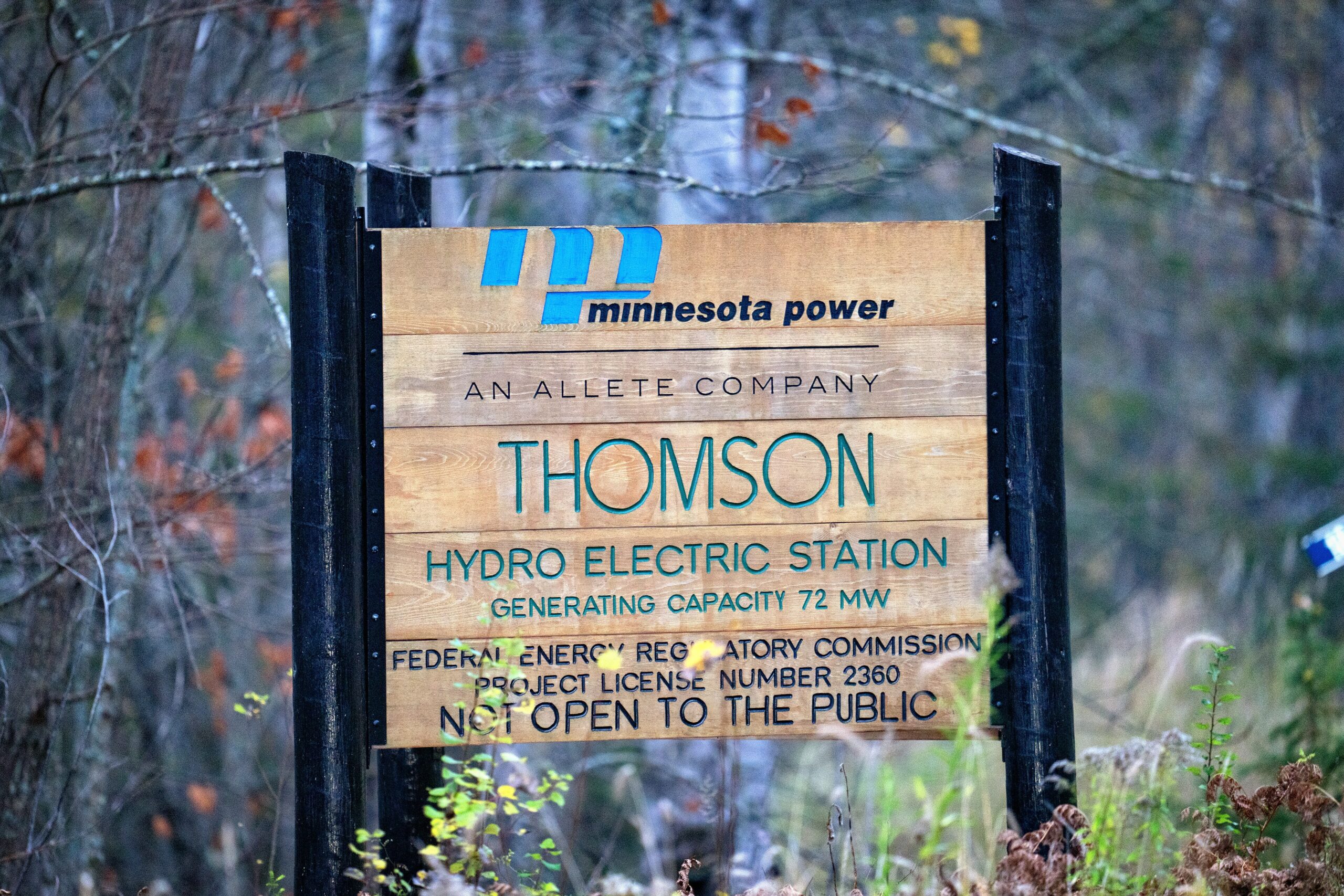
Minnesota Power is owned by ALLETE, which was acquired by Canada Pension Plan Investment Board and Global Infrastructure Partners. The Minnesota Public Utilities Commission approved the credit plan on Oct. 8, the Mesabi Tribune reported, and the total is about $122 million: roughly $72 million from land sales near the company’s hydroelectric reservoirs and a $50 million contribution from the two owners.
The company announced the land-sale credit in February. In a company press release, Minnesota Power said the one-time credit would be about $109 for the average residential customer, funded by $72 million in land sales through 2025, and that the exact amount would vary with each customer’s usage over a 12-month period.
What the January and February Bills Will Show
The Mesabi Tribune reported that the credit appears in January and February 2027 at about $55 on each bill, which lines up with the $109 average across the two months. Customers do not need to apply. A household that uses more electricity than average over the measurement period gets a larger credit, and one that uses less gets a smaller one.
The company has said the credits are meant to keep bills manageable as households face higher costs for fuel, food and other necessities, the Mesabi Tribune reported. The credits are also part of the owners’ pledge of about $200 million in benefits to customers and communities that followed the acquisition, per the company’s February release.
Put together, the average residential customer is in line for about $109 from the land sales across the first two months of 2027 and roughly $15 a year from the acquisition commitments, starting with the March bill, according to Daily Energy Insider’s figures. That is about $124 over the first year, though individual households will see more or less depending on usage.
The utility’s February release said many of the owners’ commitments still needed commission approval at that point, which is why the October vote matters: it turned a proposal into a schedule of credits with named months.
A Second, Smaller Credit Starts in March 2027
The land-sale money is not the only credit on the schedule. Daily Energy Insider reported that the $50 million from the acquisition commitments will be paid out at about $10 million a year for five years. The first piece lands on the March 2027 bill, and later installments follow each January from 2028 through 2031. For the average residential customer, that works out to roughly $15 a year, according to the same report.
Both sets of credits are separate from any rate change. According to the company’s February release, a one-year freeze on residential base rates was already in effect when the credits were announced. The release also described a $10 million residential energy bill mitigation fund for efficiency, weatherization and fuel-switching projects aimed at low- and moderate-income customers, with details still being finalized at the time.
The owners’ commitments were attached to the approval of the sale. The Minnesota Public Utilities Commission’s January newsletter, sent Jan. 6, listed about $50 million in customer bill credits and a $10 million low-income weatherization fund among the benefits linked to the ALLETE acquisition, and reported that the acquisition was final.
Discount Programs for Customers Behind on Bills
Credits that arrive in winter help most households, but the company has also expanded programs aimed at customers who are struggling. WDIO reported that the CARE program grew to $2.5 million, enough to add up to 500 more income-eligible customers. Households automatically enrolled through energy assistance get a flat $20 monthly discount, while others can apply for an affordability discount aimed at a 3% energy burden. Customers with past-due balances and an active payment arrangement can also receive a payment match.
A second proposal, called On Track, would cost $3.1 million and offer a $20 monthly flat discount plus matched payments toward past-due balances, the company said. George Shardlow of the Energy CENTS Coalition said in the release that the investments “mark a new chapter for helping customers afford their basic needs.” Minnesota Power said it would contact eligible customers directly.
Utilities in other states are returning money for different reasons. A Wisconsin utility, for instance, is crediting a typical home about $13 to $14 because its 2025 fuel costs came in below estimate, and Rhode Island Energy customers are receiving about $61 in winter relief credits. Minnesota Power’s credit has a different source, since it comes from land sales and the owners’ pledge rather than from fuel costs, and the amount on a given household’s January and February bills depends on that household’s electricity use over the measurement period.
Get stories like this by email. Sign up for The Parent Diaries Letter.
This article was produced with AI assistance and edited for accuracy against the sources linked above.
Image: Tony Webster, CC BY-SA 2.0, via Wikimedia Commons