About 55,000 Credit Acceptance Borrowers Are Getting $634 Million in Car Loan Debt Wiped Out Under an Order That Took Effect Nov. 2
For more than 55,000 people who took out high-cost car loans through one of the country’s biggest subprime auto lenders, the debt is simply going away. Some lost the car years ago and still owed the balance. Others are still driving it.
Under a settlement with 40 state attorneys general, Credit Acceptance Corporation is wiping out about $634 million in car loan debt, and the order putting it into effect took hold on Nov. 2. Borrowers don’t need to file a claim.
What the Settlement Erases
The settlement was announced Sept. 17 and is worth $694 million in cash and debt relief nationwide, according to California Attorney General Rob Bonta’s office, one of the states in the coalition. The debt relief comes in two parts.
About $388 million is erased for borrowers whose cars were repossessed. These are people who lost the vehicle but were still being pursued for what was left on the loan after it was sold at auction.
About $246 million is erased for borrowers whose cars were not repossessed. Those borrowers keep their vehicles, with liens released and titles delivered.
A separate $60 million fund pays cash restitution to consumers with particularly risky loans, and Credit Acceptance must also pay $15 million to the attorneys general. Credit Acceptance did not admit wrongdoing.
Who Is Covered
The debt relief covers loans made from Nov. 1, 2015, through Nov. 30, 2025, that the lender’s own scoring system flagged as risky, according to a review of New York’s consent order. That review estimates more than 55,000 consumers nationwide, including about 2,500 New Yorkers.
California estimates its residents will get about $1.46 million in restitution and $5.4 million in debt relief, a smaller share because Credit Acceptance did most of its business outside the state.
The states said eligible consumers have already been identified and will be notified directly by the lender or a claims administrator. The committee of attorneys general running the restitution fund decides who receives cash and how much.
Why the States Sued
The states accused Credit Acceptance of making high-interest loans to people with limited or damaged credit that it knew, or should have known, they couldn’t afford. According to California’s release, the lender used its own score to predict how much of each loan it would collect, and many low-score loans defaulted, with cars repossessed and sold at auction.
The states also said the company failed to stop dealers from adding unwanted vehicle service contracts and GAP coverage to loans. Bonta said Credit Acceptance “closed its eyes to deceptive origination practices and made predatory, high-cost auto loans.”
The case began in January 2023 as a lawsuit by the Consumer Financial Protection Bureau and the New York Attorney General. The federal agency dropped its part of the case in 2025, and the states continued.
What Borrowers Should See
Under the New York consent order, which took effect Nov. 2, Credit Acceptance must tell covered borrowers by letter, email or text that the loan is closed, that no further payments are owed, and that any lien on the vehicle is released. For borrowers who still have the car, the notice must also say the title has been sent.
The lender must also stop reporting the covered accounts and ask the three major credit bureaus to delete them from borrowers’ credit reports. It has to stop collection lawsuits and other collection activity on those accounts, and it cannot sell them to a debt buyer. Most of the order’s requirements are due within 90 days, or by Jan. 31, 2027.
Once notified, borrowers can check that the account has been removed by pulling free reports at AnnualCreditReport.com. New York’s attorney general takes questions at 1-800-771-7755.
Because no claim is required, any message asking a Credit Acceptance borrower to pay a fee to have a loan forgiven under this settlement is not part of the official process.
Protections for Newer Loans
The settlement also changes how Credit Acceptance lends going forward. For certain risky loans made since December 2025 that fail quickly, borrowers get 95% debt relief, and the lender can’t sue for or sell the remaining 5%, according to an Arkansas attorney general release. That protection lasts five years from Nov. 2, 2026.
The lender must also cap vehicle prices at 109% of a set value for certain consumers for seven years, give risk disclosures before a loan is signed, and monitor dealers to keep unwanted add-ons off loans.
The settlement follows similar state actions against other high-cost lenders this year. Snap Finance must cancel $662 million owed by 303,223 lease-to-own customers in 17 states, and Acima is wiping out $130 million in rent-to-own lease balances under a 43-state deal.
For borrowers who have been dodging collection calls over a car they lost years ago, the practical change is immediate: those balances are no longer owed.
This article was produced with AI assistance and edited for accuracy against the sources linked above.
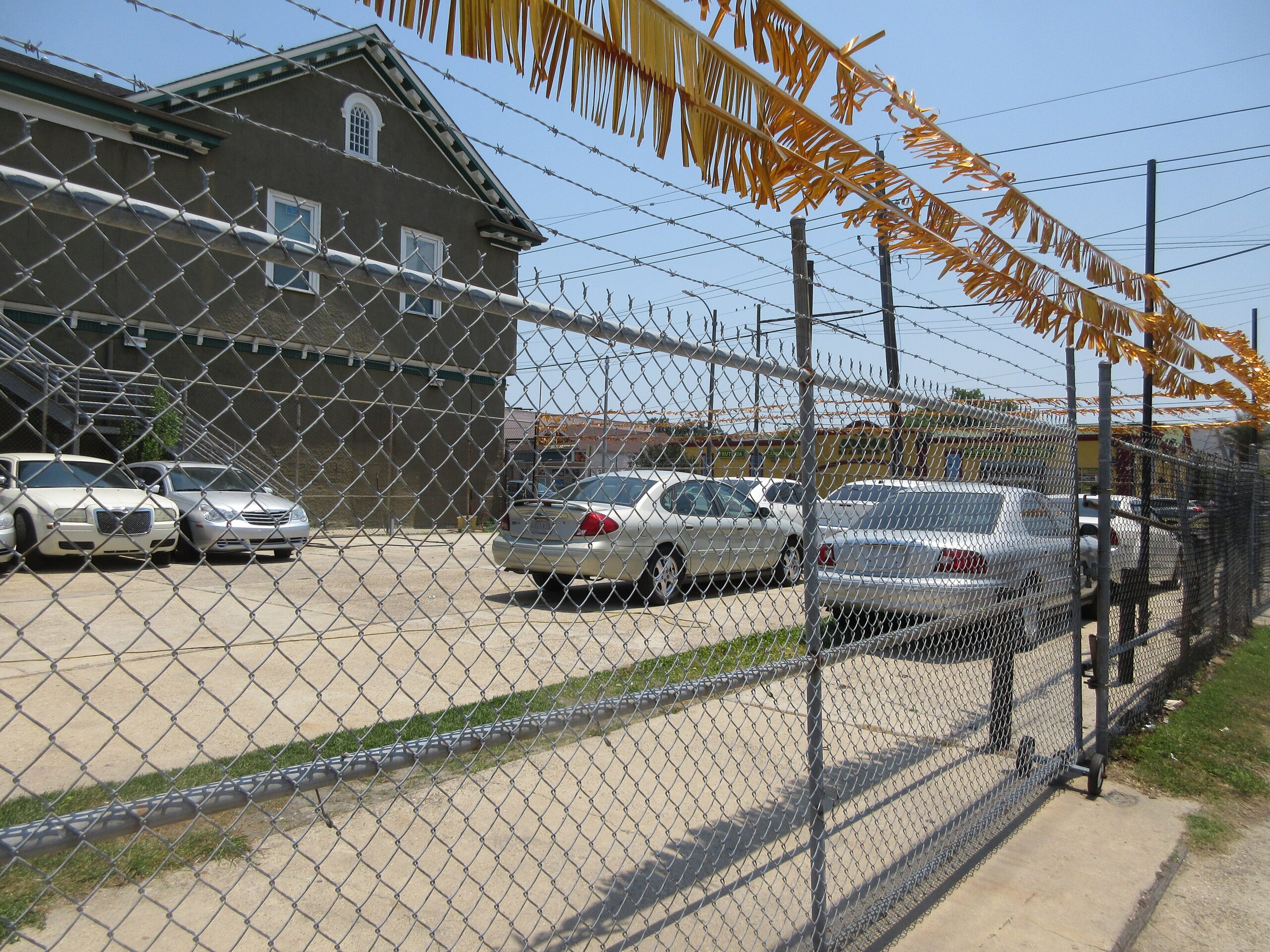
Image: Infrogmation of New Orleans – CC BY 2.0/Wikimedia Commons