North Dakota SNAP Cards Stopped Covering Soft Drinks, Energy Drinks and Candy on Nov. 1, Two Months Later Than Planned
At a North Dakota checkout lane, a case of soda or a bag of candy bars is no longer something a SNAP card is meant to pay for. The state’s restriction on soft drinks, energy drinks and candy took effect Nov. 1, two months after the Sept. 1 date first set for it. The rest of the cart is untouched, and the shopper can still buy the restricted items with other money.
The delay was the result of a federal court ruling elsewhere, and the new date holds in the most recent federal paperwork. The U.S. Department of Agriculture’s Food and Nutrition Administration published a notice stating that the project “is effective Nov. 1, 2026,” according to the FNA notice on the North Dakota project. The agency’s retailer guidance, dated Oct. 30, tells stores the same thing.
The Nov. 1 start date holds after a late postponement
USDA approved North Dakota’s request on Dec. 10, 2025, for two years, and the approval letter named Sept. 1, 2026, as the start, according to the USDA waiver page. That page also lists a modification the agency approved on April 22, 2026. It does not mention a delay, so it still shows the original September date.
The change came on Aug. 27, when North Dakota Health and Human Services announced it was moving the start to Nov. 1. Valley News Live reported that an Aug. 25 letter from USDA cited a federal court case that struck down similar SNAP restrictions in five states. The court faulted USDA for not publishing notice of the restrictions or accepting public comment.
Shiela Corley, acting administrator of the Food and Nutrition Administration, asked North Dakota to postpone, Valley News Live reported. She said the agency planned to publish a Federal Register notice and review comments before the restrictions took effect.
What USDA did before the new date
The agency did exactly that. Its notice says North Dakota first proposed starting Sept. 1 and, in consultation with the agency, moved the date to Nov. 1. On Feb. 27, 2026, the state had also modified its request to explain the restricted items in more detail.
The agency received 65 public comments, most of them opposed, the notice says. It found none significant and allowed the revised request to go forward without changes. The notice adds that SNAP benefits are supplemental, so participants can still buy excluded items with non-SNAP funds.
What counts as a soft drink, energy drink or candy
The definitions are in USDA’s retailer notice. Sweetened beverages are drinks with 5 grams or more of added sugar, any amount of artificial sweetener, or less than 50% vegetable or fruit juice. Drink mixes and ingredients for liquid or frozen beverages are included.
Energy drinks, shots and mixes are those with 65 milligrams or more of caffeine per 8 fluid ounces, or with stimulants such as guarana, taurine, ginseng or glucuronolactone. Candy covers products marketed or sold as candy, including chocolate bars, gummies, caramels, taffy and licorice, plus non-bakery items coated in chocolate, yogurt or other candy coating.
The same notice warns stores that failing to comply may lead USDA to withdraw their authorization to accept SNAP. Other states are moving the same way: Wyoming’s soda restriction is set for Feb. 1, 2027, and Ohio’s sugary-drink change for April 1, 2027.
The people and stores the rule reaches
Just under 54,400 North Dakotans were enrolled in SNAP in April, and about 600 stores in the state accept the benefits, according to Valley News Live. The state’s health department planned to spend $3.5 million to $4 million on implementation and enforcement. The outlet noted it was unclear whether the delay would change that estimate.
Rebecca Askins, the department’s economic assistance director, said the pause would give federal partners and retailers time to prepare and let SNAP households become familiar with the changes. John Dyste, president of the North Dakota Grocers Association, said he learned of the postponement from the department’s public announcement rather than being told in advance. He said the delay eased pressure on small, independent grocers working to update their systems.
Retailers were originally promised a three-month grace period after the start, according to the North Dakota Monitor. The outlet said it was not clear how that grace period applies to the Nov. 1 date, so how quickly each store applies the rule is not spelled out.
What changes at the register and what does not
For a household on SNAP, the practical effect is at the checkout. Under the rule, soda, energy drinks and candy have to be paid for with cash, a debit card or another non-SNAP method, while groceries that fall outside those definitions still work on the benefits card.
Because the definitions turn on sugar, sweetener, juice and caffeine content, some products that shoppers do not think of as soda can be caught, such as a drink with less than 50% fruit or vegetable juice. Questions about the rule go to North Dakota Health and Human Services, according to the retailer notice.
This article was produced with AI assistance and edited for accuracy against the sources linked above.
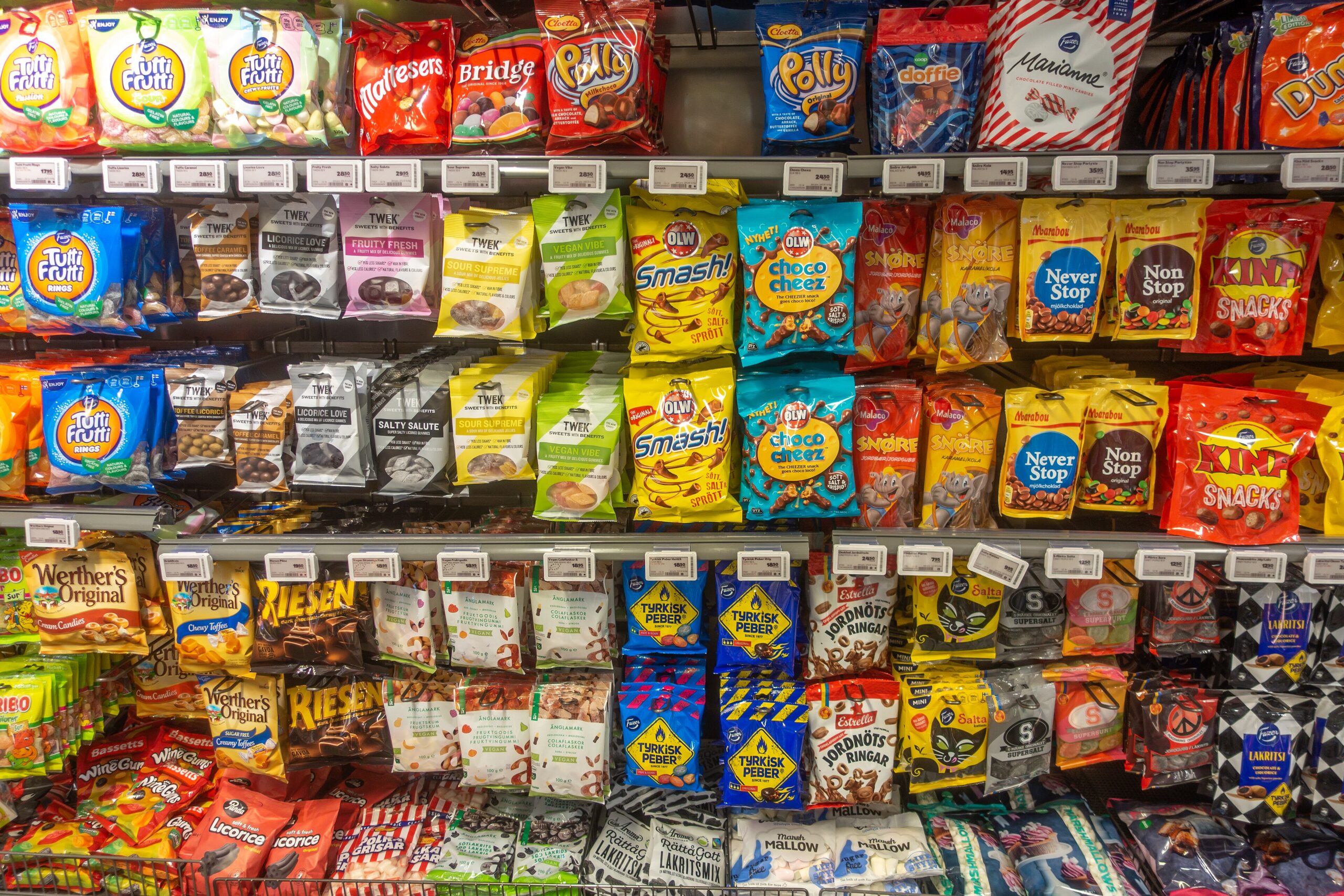
Image: Frankie Fouganthin – CC BY-SA 4.0/Wikimedia Commons