Wisconsin Utilities Including Alliant, Xcel and Madison Gas and Electric Can’t Shut Off Home Heat for Nonpayment From Now Until April 15
A past-due gas or electric bill in Wisconsin no longer means the heat can be shut off. Since Nov. 1, the state’s winter moratorium has barred utilities from disconnecting residential heating service for nonpayment, and the protection runs through April 15, 2027.
The Public Service Commission of Wisconsin reminded customers of the rule in an Oct. 22 news release that names the state’s major investor-owned utilities and their customer service lines, along with the state’s energy assistance hotline.
Which utilities the rule covers
The moratorium applies to residential customers of electric and natural gas utilities when the service is used for home heating, according to the commission. Its release lists contact numbers for six utilities, including these five:
- 1-800-255-4268 for Alliant Energy
- 1-800-245-1125 for Madison Gas and Electric
- 1-800-227-7957 for Superior Water, Light and Power
- 1-800-450-7260 for Wisconsin Public Service Corp.
- 1-800-895-4999 for Xcel Energy
The commission’s utility customer bill of rights spells out the scope. A utility cannot disconnect a service that provides, or affects, a home’s primary heat source from Nov. 1 through April 15. That wording can reach electric service that a gas furnace needs in order to run.
What the moratorium does and does not do
The rule stops shutoffs. It does not erase bills. Charges keep adding up through the winter, and the balance is still owed when the moratorium ends in mid-April.
Homes that were already disconnected before Nov. 1 are in a different position. The commission’s release says utilities are not required to restore service until the customer has made payment arrangements. Under the bill of rights, utilities must try to contact customers who were disconnected for nonpayment before winter, check on their well-being, try to negotiate a payment plan and tell them about available assistance.
The bill of rights also allows a utility to request a winter-debt deposit in some cases, when the debt was 80 or more days past due and the customer was able to pay.
Separately, the same page says a utility can delay a shutoff for up to 21 days when disconnection would make a medical or protective services emergency worse. The utility may ask for documentation from a professional involved in the situation.
When the moratorium ends, the usual notice rules apply again. The bill of rights says a utility must send a notice before disconnecting, except in cases of safety hazards or self-reconnection. The notice has to list the reasons, explain how to contact the utility about a payment plan or a medical or protective services emergency, and describe how to dispute the shutoff.
Payment plans and where to get help
Customers who are behind can ask their utility for a deferred payment agreement. The bill of rights describes it as a down payment followed by installments negotiated with the utility, and it can cover a current or past-due balance. Missing installments can put the account back at risk of disconnection once the protection ends. The page notes that some municipal utilities may not have to offer these agreements to certain customers.
The commission says customers who cannot reach an agreement with their utility can call its consumer line at 608-266-2001 or 1-800-225-7729, or file a complaint online.
Money help runs through the Wisconsin Home Energy Assistance Program, part of the state’s Home Energy Plus program. The PSC release says Home Energy Plus also covers emergency energy needs, emergency furnace repairs, conservation services and weatherization, and lists the statewide customer care line at 1-866-HEATWIS (432-8947).
According to the state’s energy assistance application site, regular energy assistance is a once-a-year benefit available from Oct. 1 through May 15. The online application takes 45 to 60 minutes and asks for each household member’s income and date of birth, fuel types, utility account numbers and landlord information. Processing can take up to 10 business days. Households that are disconnected, without heat or about to be disconnected are told to call 1-800-506-5596.
The commission’s assistance programs page also points customers to ways to lower bills, including payment plans with the utility and financial help for electric, gas and water bills.
How Wisconsin’s window compares
The commission’s consumer resources page points customers to the bill of rights, general questions and the complaint form, and lists the Consumer Affairs office at (608) 266-2001 or (800) 225-7729, with an email address for written questions. Those are the places to turn if a utility threatens a shutoff that seems to break the winter rule.
The protection is broad compared with rules in some other Midwestern states, which tie winter protection to an energy assistance application, as in Indiana, or to forecast temperatures, as in Missouri. Wisconsin’s rule turns only on whether the service heats the home and whether the shutoff is for nonpayment.
The site has reported on similar winter protections in other states, including Indiana’s Dec. 1 to March 15 shutoff ban and Nebraska’s extra 30 days for gas customers.
Wisconsin’s window runs about two months longer than Indiana’s. From Nov. 1 to April 15 is five and a half months in which a past-due heating bill cannot lead to a shutoff, as long as the service heats the home.
Get stories like this by email. Sign up for The Parent Diaries Letter.
This article was produced with AI assistance and edited for accuracy against the sources linked above.
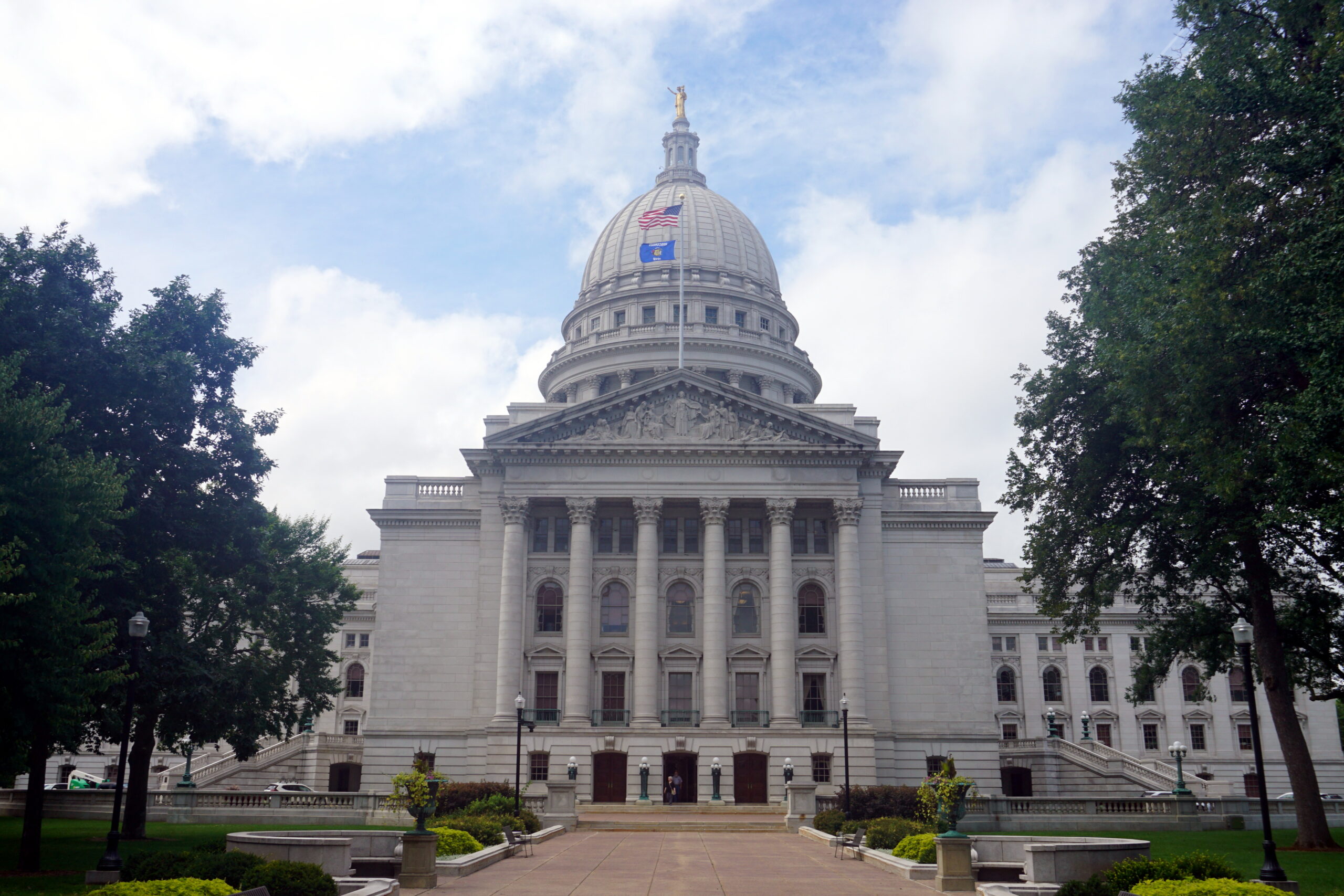
Image: Michael Barera – CC BY-SA 4.0/Wikimedia Commons