People Who Got Robocalls on Their Cellphones About Someone Else’s American Express Card Can Claim About $100 by Jan. 21
Anyone whose cellphone rang with a recorded American Express message meant for somebody else may be one of nearly 500,000 people covered by a $12 million settlement in Duke v. American Express Company. The estimated payment is about $100 per valid claim, and claims are due Jan. 21, 2027, according to Open Class Actions.
The class is limited to people who are not American Express cardmembers. They must have received an artificial-voice or prerecorded call on a cell phone from or for American Express about a card account that was not theirs, between March 13, 2019 and July 11, 2025. American Express National Bank denies wrongdoing.
Why a wrong-number recording counts as a legal claim
The case is built on the Telephone Consumer Protection Act. Under 47 U.S.C. 227, it is unlawful to call a cellular number with an artificial or prerecorded voice without prior express consent, and a person can sue for the greater of actual loss or $500 per violation. If a court finds the violation willful or knowing, it can raise the award to as much as three times that amount.
The plaintiff, Debra Duke, said in her complaint that prerecorded calls and texts began on her cell phone in August 2022 and were meant for a woman she does not know. She said she told live American Express employees they had the wrong number and asked them to stop, but the calls continued. She asked the court to certify a class and sought $500 to $1,500 per violation.
The case was filed on March 13, 2023 in the U.S. District Court for the District of Arizona. Top Class Actions reported the lawsuit that March, noting the allegation that the company placed prerecorded debt collection calls to people who owe debt on a payment card.
The $100 estimate rests on about 79,000 claims
The $12 million fund is non-reversionary, which means no money goes back to American Express. After up to $4 million in attorneys’ fees, up to $100,000 in expenses and a service award of up to $10,000, about $7.89 million would remain, according to the Open Class Actions page.
The estimate assumes roughly 79,000 valid claims, each sharing equally. The court describes nearly 500,000 people in the class and the class list covers about 492,000 phone numbers, so the final figure moves with how many people file. More claims would mean less per person and fewer claims would mean more. Each phone number gets one claim.
What the claim asks for, and the number it needs from the notice
Claims are filed at AmexTelephoneSettlement.com, run by the administrator, Kroll Settlement Administration. The form needs the Claimant Identification Number printed in the email or mailed notice, plus a name, mailing address, preferred phone number and each cell number that received the calls. No phone bills or call logs are required.
Anyone who did not receive a notice can ask for a number through the website’s Contact Us page. Paper claims must be postmarked by Jan. 21, 2027. Electronic payment is available only for online claims, and paper claims are paid by check.
The same Jan. 21 date is the deadline to opt out or object. Opting out means no payment but keeps the right to sue separately. If more than 200 people opt out, American Express may terminate the settlement.
A discovery order that made American Express hand over call data
Before the deal, the case turned on records. A court granted the plaintiff’s second motion to compel in full and ordered American Express to produce call data by Aug. 15, 2025, according to TCPAWorld. The data covered phone numbers and call counts for prerecorded or artificial-voice calls to wrong-party or never-call numbers.
The court rejected American Express’s burden and privacy objections and extended the class certification schedule so the plaintiff could analyze the data. Open Class Actions lists terms as reached on May 5, 2026, with preliminary approval granted on Sept. 23, 2026. Class counsel are Kaufman P.A. and Coleman PLLC.
Checks wait on final approval, then a 45-day funding clock
The final approval hearing is set for Feb. 23, 2027, at 1:30 p.m. in Courtroom 5A of the Evo A. DeConcini U.S. Courthouse in Tucson. The court may change the format or date, so the settlement website is the place to confirm it.
No payments go out until the settlement becomes effective after final approval and any appeals. American Express funds it 45 days after the effective date, and the administrator sends payments within 60 days. Checks are valid for 90 days. Uncashed money is redistributed to claimants who cashed their checks if each would receive at least $1, and any remainder goes to the U.S. Treasury.
The Tonic Edit has followed other claim windows closing soon, including the Navy Federal $250 settlement and the Equifax hard inquiry settlement, both due Nov. 29.
This article was produced with AI assistance and edited for accuracy against the sources linked above.
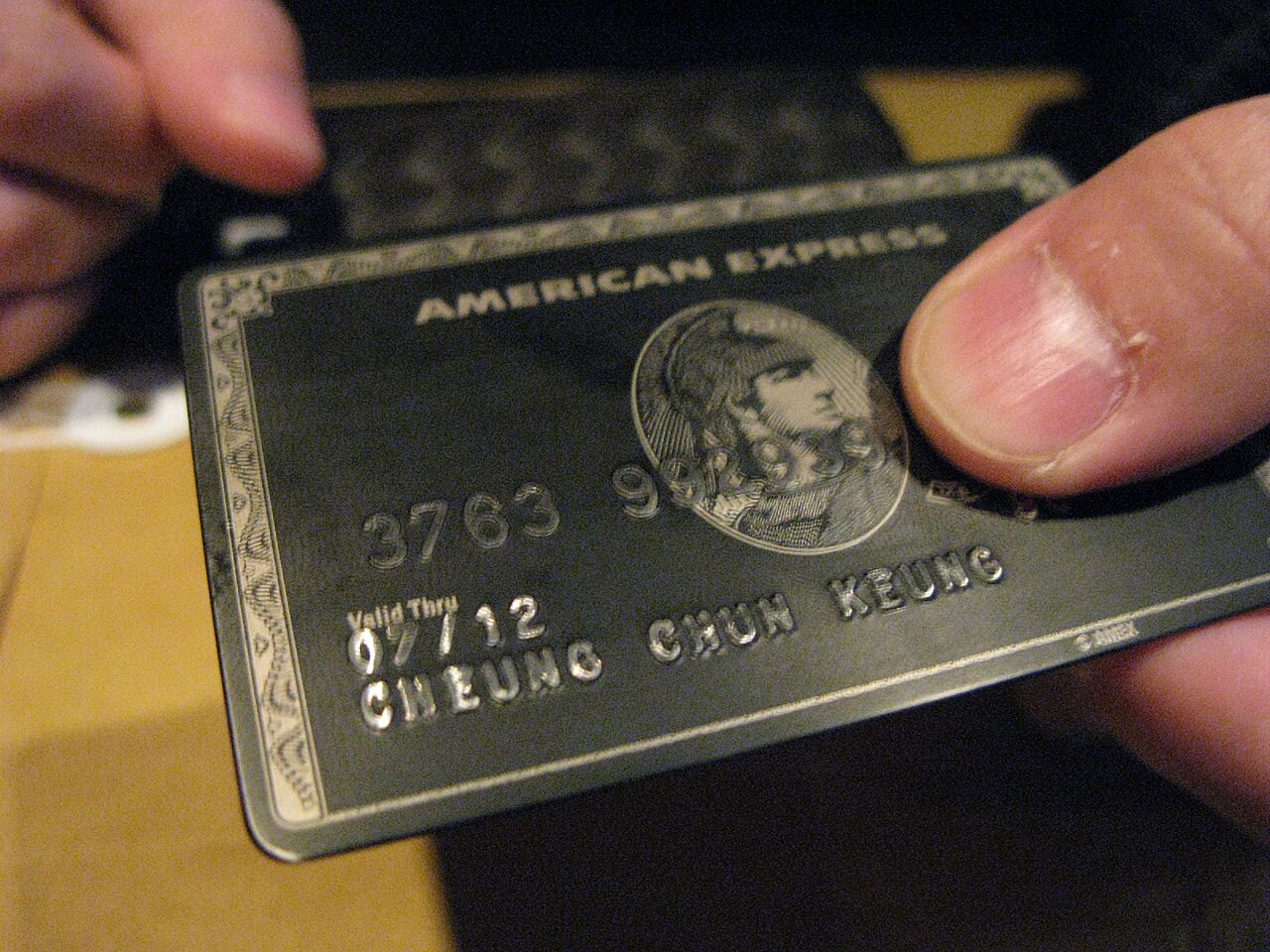
Image: Clemson from San Francisco, USA, CC BY 2.0, via Wikimedia Commons