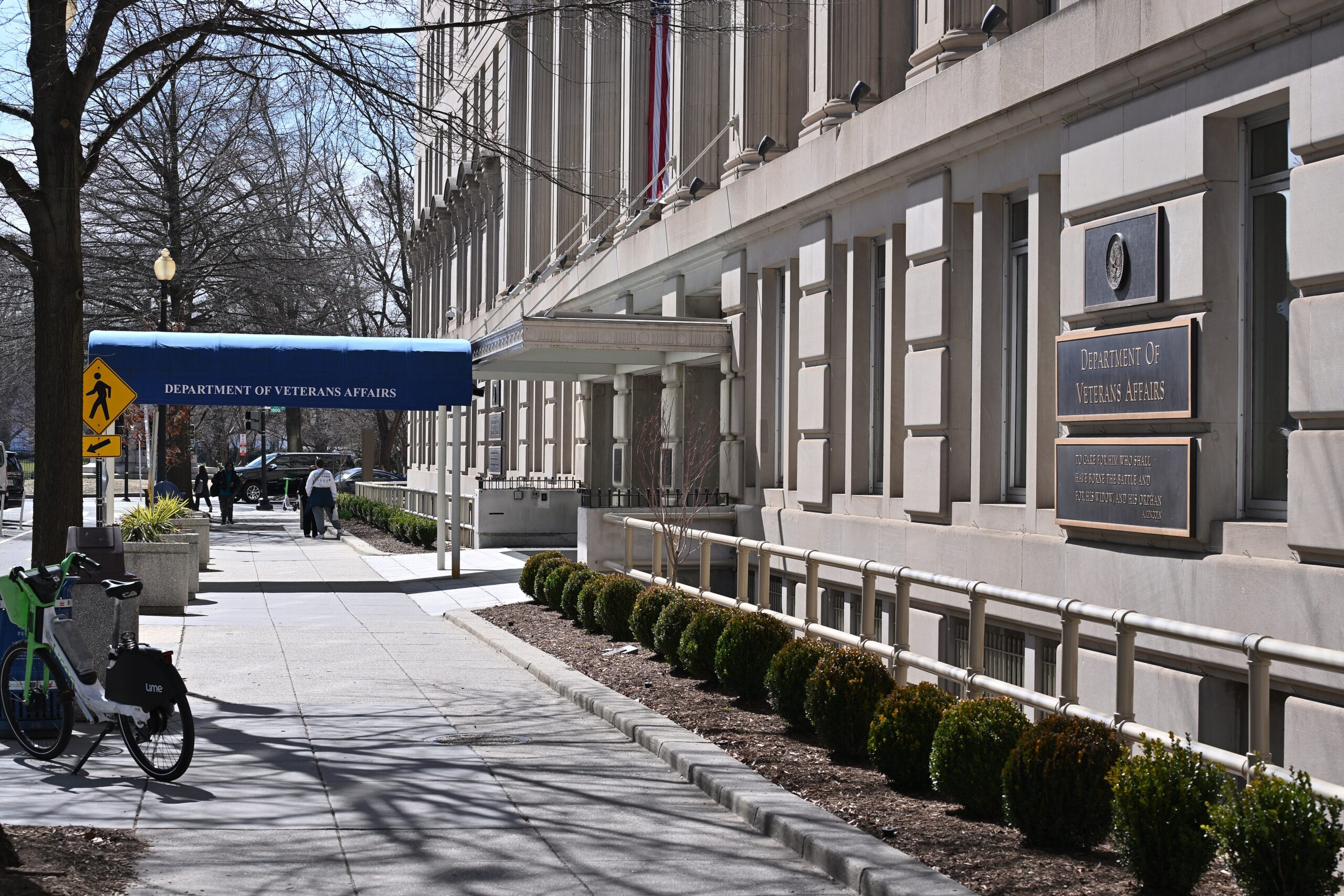
VA Disability Pay for November Lands Tuesday, Dec. 1, and a Veteran Rated 100% With No Dependents Gets $3,938.58
For millions of disabled veterans, the first of the month is when the rent, the car payment and the grocery run get settled. December’s version of that day comes on Tuesday, Dec. 1, when the Department of Veterans Affairs sends out compensation for the month of November.
That payment is still figured at this year’s rates. A veteran rated 100% disabled with no spouse, children or dependent parents gets $3,938.58 for the month. The raise President Trump signed on Nov. 23 doesn’t show up until the payment after this one, on Dec. 31.
Why the Dec. 1 deposit pays for November
VA compensation is paid in arrears. The money that lands at the start of a month covers the month that just ended. According to the 2026 VA payment schedule compiled by veterans law firm Chisholm Chisholm & Kilpatrick, payments arrive on the first business day of the following month, and move to the last business day before when that day is a weekend or holiday.
Dec. 1, 2026 is a Tuesday, so there is no shift. The November benefit arrives that day by direct deposit for most veterans. The December benefit would normally be paid Jan. 1, but New Year’s Day is a federal holiday, so it is expected a day early, on Thursday, Dec. 31. Newsweek laid out the same two dates in its look at December VA payments, which also noted that the 2026 rates still apply to the Dec. 1 payment.
That means two VA payments land in the same calendar month, one at the start of December and one at the very end. The second one is not a bonus. It is simply January’s usual deposit arriving early because of the holiday, and veterans who budget month to month will not get another deposit until early February.
What the Dec. 1 payment looks like at each rating
The VA’s own compensation rate tables, in effect since Dec. 1, 2025, set the monthly amounts for a veteran with no dependents:
- 10% rating: $180.42 a month
- 50% rating: $1,132.90 a month
- 70% rating: $1,808.45 a month
- 100% rating: $3,938.58 a month
Veterans rated 30% or higher who have a spouse, children or dependent parents get more than these amounts, with added money for each dependent listed in the VA tables.
Ratings below 30% pay the same amount whether or not a veteran is married or has children. That is why the 10% figure, $180.42, is the same for nearly every veteran at that level, while two veterans rated 70% can get noticeably different deposits on Dec. 1 depending on who is listed on their award.
The raise that starts with the Dec. 31 payment
On Monday, Nov. 23, the White House announced that the President had signed H.R. 8552, the Veterans’ Compensation Cost-of-Living Adjustment Act of 2026, which sets the veterans’ increase “equal to the Social Security COLA.”
The enrolled text of the bill directs the VA Secretary to raise disability compensation, the added amounts for dependents, the clothing allowance and dependency and indemnity compensation for survivors, effective Dec. 1, 2026, by the same percentage as Social Security benefits. The Social Security Administration set that percentage at 3.6% for 2027.
Because the higher rates take effect Dec. 1, they apply to December’s benefit, the one paid Dec. 31. Applying 3.6% to the current tables, a veteran rated 100% with no dependents would go from $3,938.58 to about $4,080 a month, roughly $142 more. A 10% rating would rise from $180.42 to about $186.92, and a 70% rating from $1,808.45 to about $1,873.55. The VA publishes the official 2027 tables once the new rates are set, and the final cents can differ slightly from these estimates.
The 2027 increase is larger than the last two. Military Times reported that VA benefits rose 2.8% for 2026 and 2.5% for 2025, making 3.6% the biggest bump in four years. By its math, a veteran receiving $1,500 a month would see about $54 more.
Newsweek, citing the VA’s latest annual benefits data, put the number of people receiving compensation or service-connected death benefits at about 6.9 million. Every one of them gets the Dec. 1 payment at the old rates and the Dec. 31 payment at the new ones.
Until Nov. 23, that second part was still waiting on a signature. Unlike Social Security, which adjusts on its own, the veterans’ increase needs Congress to pass a bill and the President to sign it each year. The House and Senate approved H.R. 8552 earlier this month, and the signature came eight days before the new rates were due to take effect.
Surviving spouses are on the same calendar
Dependency and indemnity compensation follows the same schedule. The VA’s survivor rate table lists the basic monthly rate for a surviving spouse at $1,699.36, and that is what arrives Dec. 1. With the 3.6% increase, the basic rate would rise to about $1,760.54 starting with the Dec. 31 payment, about $61 more. The site covered that change when it was still a bill in the survivor benefits raise Congress passed.
What veterans can check before Tuesday
Nothing needs to be filed to get either payment or the raise. The law raises the rates themselves, so the increase reaches everyone already receiving compensation.
Veterans who recently moved or changed banks should confirm their direct deposit details in their VA.gov profile before the end of the month, so the Dec. 31 payment goes to the right account. The effective date on a rating matters in other places too, including the VA’s automatic home loan funding fee refund.
Anyone who calls or texts offering to “unlock” the raise for a fee is not the VA. The increase signed Nov. 23 goes out on its own, with no fee and no form.
This article was produced with AI assistance and edited for accuracy against the sources linked above.
Image: G. Edward Johnson – CC BY 4.0/Wikimedia Commons