Federal Retirees Won’t See Their First Raised Annuity Payment Until Monday, Jan. 4, Because of the New Year’s Holiday
Retired federal workers who watch their bank balance on the first of the month will have to wait a little longer in January. The Office of Personnel Management says the first annuity payment carrying the 2027 cost-of-living increase arrives on Monday, Jan. 4, not on New Year’s Day.
The delay is a quirk of the calendar. Jan. 1, 2027 falls on a Friday and is a federal holiday, and the next two days are a weekend.
OPM’s first-business-day rule
On its annuity payments page, OPM says payment “is always made the first business day of the month.” When the first lands on a weekend or holiday, the money moves to the next business day. OPM uses the coming January as its own example: benefits that accrue in December 2026 are payable on Jan. 4, 2027.
That is the opposite of VA compensation and Supplemental Security Income, which move a holiday payment earlier, to Dec. 31, rather than later. Retirees who get both an OPM annuity and Social Security will see the two raises arrive on different days, with OPM first on Jan. 4 and Social Security for most retirees on its Jan. 13, 20 and 27 paydays.
Military retirees are on yet another calendar. The Defense Finance and Accounting Service’s pay schedule shows military retired pay for December arriving Dec. 31, while survivor benefit annuitants paid by DFAS get theirs on Jan. 4, the same day as OPM annuitants.
How big the increase is under CSRS and FERS
The Social Security Administration set the 2027 cost-of-living adjustment at 3.6%. OPM says the federal retiree increase takes effect Dec. 1, 2026 and is reflected in payments starting Jan. 4.
Retirees under the Civil Service Retirement System get the full 3.6%. Retirees under the Federal Employees Retirement System get 2.6%, because when the Social Security adjustment tops 3%, FERS annuities get one percentage point less. Federal News Network explained the formula when the figure was announced, and the site broke down the gap in its look at the FERS raise.
In dollars, Government Executive worked out that a $4,000 monthly CSRS annuity rises by about $144, to roughly $4,144 before deductions. A $3,000 monthly FERS annuity rises by about $78, to roughly $3,078.
Both figures are bigger than last year’s. OPM’s benefits letter for 2026 set that year’s increase at 2.8% for CSRS and 2.0% for FERS, paid starting with the January 2026 annuity. A CSRS retiree gets 0.8 of a point more this time, and a FERS retiree 0.6 of a point more.
Who gets the full raise on Jan. 4
OPM sets a few conditions that decide how much of the increase shows up in the Jan. 4 deposit:
- A full increase goes to annuities that began no later than Dec. 31, 2025.
- Annuities that started later get one-twelfth of the increase for each month they have been paid. OPM’s example is a November 2026 retirement, which gets 0.3% under CSRS and 0.2% under FERS.
- FERS increases generally are not paid until the retiree turns 62. Disability retirees, survivor annuitants and certain special-provision retirees, such as law enforcement officers and firefighters, are exceptions.
- Every increase adds at least $1.00 to the monthly rate, even when the percentage would round down to nothing.
Survivor annuities get the same adjustment, subject to the same proration for newer annuities. Government Executive noted that the FERS spousal Basic Employee Death Benefit also rises, to about $45,377.34 from $43,800.53.
How it compares with Social Security
FERS was built to sit alongside Social Security, so FERS retirees who also collect Social Security get two raises in January, of different sizes and on different days.
Social Security benefits rise the full 3.6% starting with January payments. Government Executive cited the Social Security Administration’s estimate that the average retired-worker benefit goes from $2,095 to $2,170 a month. A FERS retiree with a $3,000 annuity and an average Social Security check would see about $78 more from OPM on Jan. 4 and about $75 more from Social Security later in the month.
What else can change the January deposit
The raise is figured on the gross annuity, so the amount that lands in the bank on Jan. 4 can be smaller than the percentage suggests. Government Executive’s figures are before deductions, and 2027 health insurance premiums and tax withholding come out of the same payment. For working federal employees, the picture is different again: most face a pay freeze in 2027, as the site covered in its look at the 2027 federal pay plan.
Nothing needs to be filed to get the increase. OPM applies it automatically to every eligible annuity.
Because OPM pays on the next business day, there is no early deposit at the end of December. Retirees whose mortgage, rent or card payments are due Jan. 1 or Jan. 2 may want to set those up to come out after Jan. 4, or keep enough in the account to cover them, since the January annuity will arrive three days after New Year’s Day.
This article was produced with AI assistance and edited for accuracy against the sources linked above.
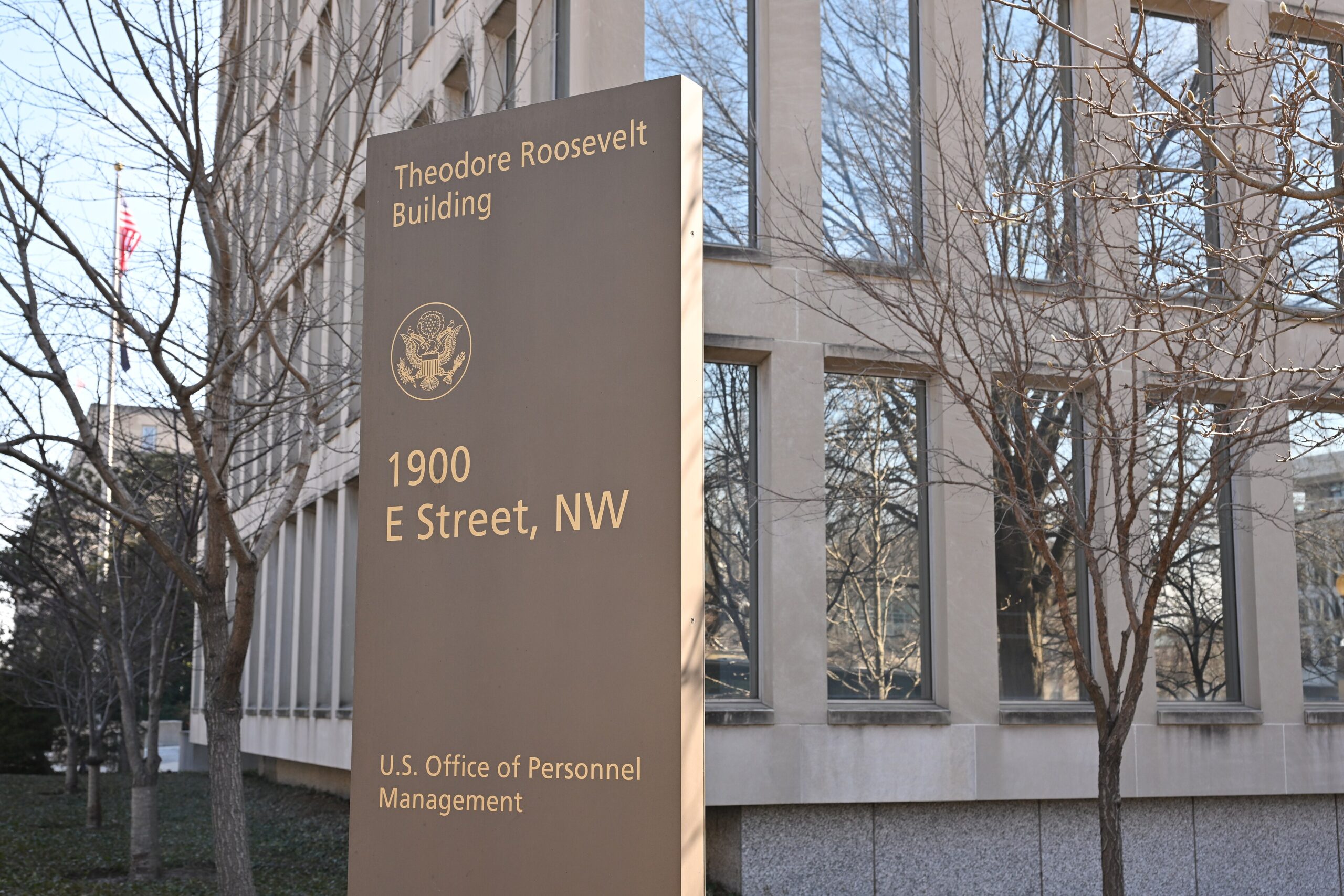
Image: G. Edward Johnson – CC BY 4.0/Wikimedia Commons