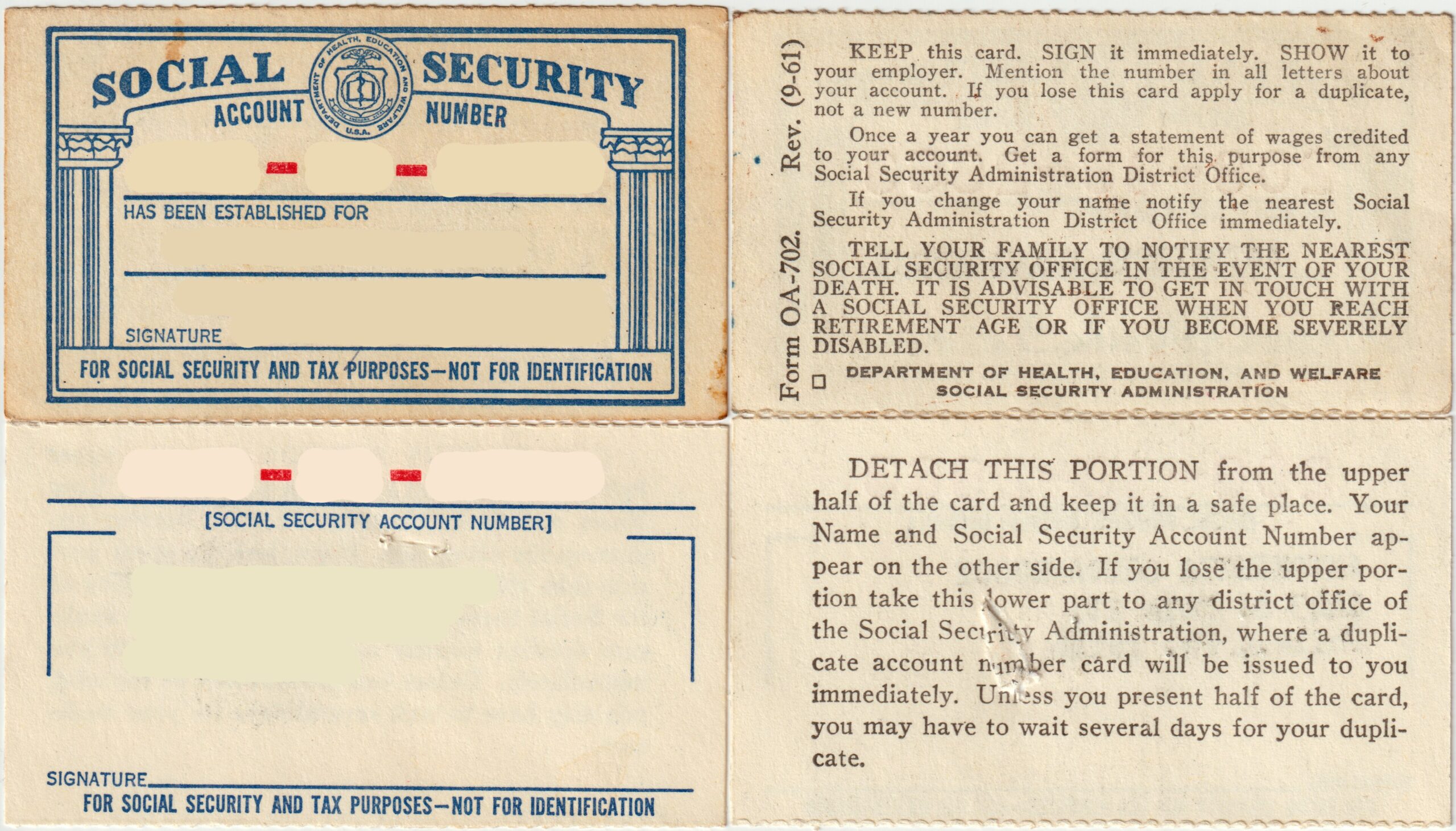
SSI’s December Payment Lands Tuesday, Dec. 1, and the Most One Person Can Get Is $994
SSI recipients will see their December payment on Tuesday, Dec. 1, and the most one person can collect from the federal government in that check is $994, according to the Social Security Administration. A couple with two eligible spouses tops out at $1,491. Those amounts are the 2026 rates, and they apply to the Dec. 1 deposit before a higher 2027 rate starts at the end of the month.
The date comes straight from the agency’s 2026 payment schedule, which pays Supplemental Security Income on the 1st of the month. December 2026 has no weekend or holiday on the 1st, so no shift is needed this time.
Who is paid on Dec. 1, and how big the check can get
SSI is a needs-based program, not a retirement benefit. SSA says adults and children might be eligible for SSI if they have little or no income, little or no resources, and a disability, blindness or an age of 65 or older.
The figure in the headline is the federal benefit rate. SSA’s SSI benefits guide says it is $994 for an individual and $1,491 for a couple effective Jan. 1, 2026. That came from a 2.8% cost-of-living increase published in a Nov. 3, 2025 Federal Register notice, and it is the highest base amount the federal program pays a single person this year.
Over a full year the individual rate adds up to $11,929.46 before rounding, according to the unrounded annual figures on SSA’s SSI cost-of-living page. For a household living on that alone, the first-of-the-month deposit is the budget for rent, food and utilities, which is why the date matters.
Many people on SSI also collect Social Security. Those who receive both are paid SSI on the 1st and their Social Security on the 3rd, which this month means Thursday, Dec. 3, per the same SSA schedule.
Why the $994 ceiling is not always what lands in the account
The $994 is a ceiling, and SSA reduces it when a person has other money. On its page about how income affects SSI, the agency says it subtracts countable income from the federal benefit rate and that, generally, the more countable income a person has, the less the SSI benefit will be. SSA’s own example takes a $994 rate, subtracts $280 in countable income and arrives at a $714 payment.
Earnings count less than other income. The same page explains that the first $65 of monthly earnings and half of what is earned above $65 are excluded, so a part-time job does not wipe out the check dollar for dollar. In another SSA example, $317 in gross monthly wages shrinks to $116 in countable income. Because the payment is calculated from income, SSA’s SSI page also reminds recipients that they must report wages, other income and changes in living arrangements each month. For reporting deadlines, the site covered when SSI recipients with jobs need to send in their pay.
Some states add a separate payment of their own. SSA’s benefits guide says some states supplement the federal benefit, while Arizona, Arkansas, Mississippi, North Dakota, Tennessee, West Virginia and the Northern Mariana Islands do not. Those state supplements are not part of the federal SSI rate, so the $994 stays the federal ceiling, and the amount of any supplement depends on income, living arrangements and other factors.
Who handles the extra payment differs by state. SSA says it administers the supplement in California, Hawaii, Montana, Nevada, New Jersey and Vermont, among others, while states such as New York, Texas, Florida and Ohio run their own. A recipient in a supplement state can therefore see more money arrive than the federal rate alone, from a source that is not SSI itself.
The Dec. 31 deposit brings the 2027 rate
December has a second SSI date. January 1 is a federal holiday, so Newsweek’s rundown of the SSA schedule says the payment for January 2027 goes out early, on Thursday, Dec. 31. The site explained the two December deposits and the empty January earlier this month.
That Dec. 31 deposit is when the raise starts. SSA’s Oct. 14 announcement of the 2027 increase said the 3.6% cost-of-living adjustment will reach about 7.3 million SSI recipients beginning Dec. 31, 2026. The agency’s 2027 COLA fact sheet lists the new federal rates as $1,029 a month for an individual and $1,544 for a couple, up from $994 and $1,491.
For a couple the step is from $1,491 to $1,544, a $53 difference, while an individual gains $35. So the Dec. 1 payment is the last one at $994, and the Dec. 31 payment is the first at $1,029, again before any reduction for countable income.
If the Dec. 1 deposit does not show up
SSA tells people who do not get a payment on the expected date to allow three additional mailing days before contacting the agency, a line printed on its 2026 schedule. Anyone who has changed banks recently should confirm the new account details with SSA before the first, because Treasury now matches the name on an account to the recipient, as the site noted in its report on the new bank account check.
This article was produced with AI assistance and edited for accuracy against the sources linked above.
Image: N Giovannucci – CC BY-SA 4.0/Wikimedia Commons