Razer Zephyr Face Mask Buyers Who Missed Their FTC Check Are Getting PayPal Payments, and Have 30 Days to Accept
People who bought Razer’s Zephyr face mask during the pandemic, and never cashed the refund check the Federal Trade Commission mailed them, now have a second way to get the money. The FTC is sending the refunds by PayPal instead, and the agency has described them as full refunds of what buyers paid.
The agency’s Razer refund page, updated Nov. 2, 2026, says the PayPal payments go to Zephyr buyers who did not cash their earlier check. Recipients have 30 days to accept the PayPal payment before it lapses.
Who is getting the PayPal payment
This round is a reissue, not a new settlement. The first refund checks went out in January 2025, totaling more than $906,000, according to the FTC. Some buyers never deposited them, and the PayPal payments are meant to reach those people.
In the January 2025 distribution, the FTC said it sent more than $1 million in full refunds to 6,764 consumers through a mix of checks and PayPal payments, according to its release at the time. “Recipients will get a full refund,” the agency said.
The refund administrator is Simpluris, which can be reached at 1-833-285-3003, according to the FTC. Paper checks in FTC programs must be cashed within 90 days, while PayPal payments in this round must be redeemed within 30 days.
What Razer sold, and what the FTC said was wrong
Razer, a gaming accessories company, marketed the Zephyr as a high-tech mask with “replaceable N95 grade filters for maximum protection,” according to Tom’s Hardware.
The FTC said those claims were false. The mask was never certified as N95-grade, and Razer never submitted it to the Food and Drug Administration or the National Institute for Occupational Safety and Health for testing, the agency said in its 2025 release.
The FTC filed its complaint on April 29, 2024, in U.S. District Court for the Central District of California, and a stipulated order followed on May 6, 2024, according to the agency’s case page. Samuel Levine, then director of the agency’s Bureau of Consumer Protection, said Razer had misled buyers into believing “their face mask was the equivalent of an N95 certified respirator,” TechCrunch reported.
Razer pushed back, saying it disagreed with the FTC’s allegations and did not admit to any wrongdoing, according to TechCrunch. PC Gamer summed up the case bluntly: “Razer billed the Zephyr as an N95 mask, and the FTC says that was a lie.”
The prices were not small for a face mask. The Zephyr with three sets of filters sold for $99.99, a Starter Pack with 33 filter sets cost $149.99, and a 10-set Filter Pack was $29.99, according to Tom’s Hardware.
N95 is not a marketing term. It is a federal certification issued by the National Institute for Occupational Safety and Health, part of the Centers for Disease Control and Prevention, for respirators that filter at least 95% of airborne particles in its testing. A product can’t carry that rating unless the agency has tested and approved it, which is why the FTC treated the “N95 grade” language as a false claim.
The FTC’s case centered on that gap between what the packaging and ads suggested and what buyers actually got. Customers paid premium prices believing the filters matched a certified respirator, and the agency said they did not.
What Razer paid
Under the order, Razer paid a $100,000 civil penalty and turned over $1,071,254.33 for refunds, Tom’s Hardware reported. PC Gamer described the money as going “to provide full refunds to consumers nationwide.”
Before the FTC stepped in, Razer’s own refund effort had reached only about 6% of buyers, roughly 400 people, according to the same report. The FTC’s distribution expanded that to thousands of customers.
The refunds are full refunds, the FTC said, meaning buyers are getting back what they paid rather than a share of a pool. That sets this program apart from many class-action settlements, where payments are divided among everyone who files.
Taken together, the numbers show how much of the money has already moved:
- Razer turned over $1,071,254.33 for consumer refunds
- More than $1 million in full refunds went to 6,764 consumers in January 2025
- More than $906,000 of that was sent as checks
- The PayPal round now covers buyers whose checks were never cashed
How to handle the PayPal notice
Buyers who get a PayPal notice about a Razer refund should act within the 30-day window.
The FTC warns that it “never requires people to pay money or provide account information to get a refund.” Any message about the Razer refund that asks for a fee, a gift card, or bank login details is not from the agency or its administrator.
People who are unsure whether a payment is genuine can call Simpluris at 1-833-285-3003, the number the FTC lists for this program. The FTC also lists every active refund program, with its administrator and phone number, on its refunds page.
The PayPal payments come with the same instruction the FTC gives in all its programs: accept the money promptly. For this round, the window is 30 days, while the original paper checks had to be cashed within 90 days.
Buyers who never received a check or PayPal notice and believe they bought a Zephyr can contact Simpluris to ask about their status.
This article was produced with AI assistance and edited for accuracy against the sources linked above.
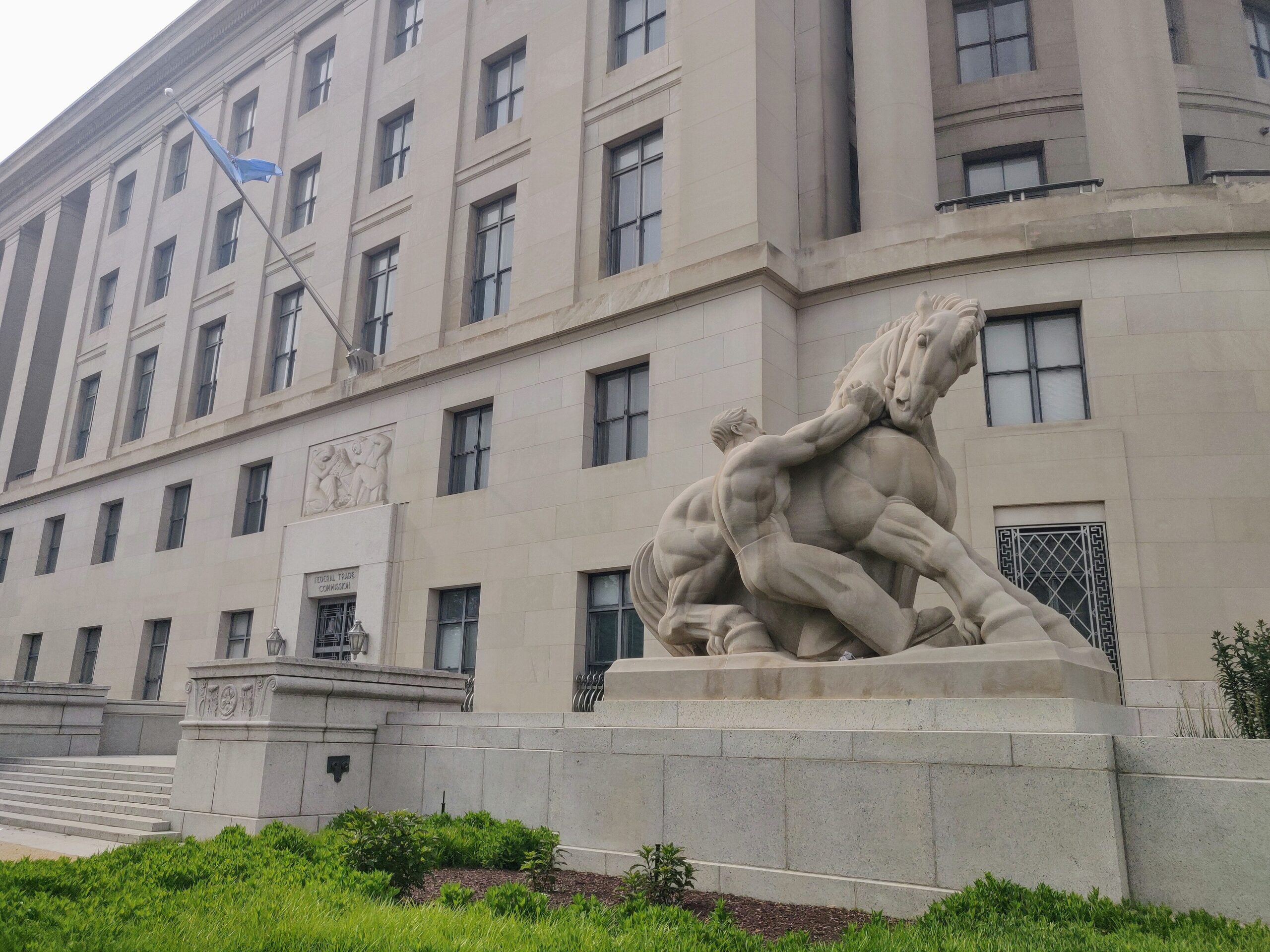
Image: Kurt Kaiser, public domain, via Wikimedia Commons