Jensen Huang Quit as Nvidia’s CEO After 33 Years, and His Fortune Had Already Dropped About $9.9 Billion in Four Days
Jensen Huang, the engineer who built Nvidia into the most valuable company in the world, resigned on Nov. 12 as president, chief executive and a member of the board, ending a 33-year run at the chip maker he co-founded. By the time the resignation was announced, his personal fortune had already fallen by about $9.9 billion over four days.
For a household watching the news, it was a rare thing: a founder worth well over $100 billion walking away from the company that made him, in the span of a single week.
Nov. 8: the board discloses an investigation
The first public sign of trouble came on Sunday, Nov. 8, when Nvidia’s board posted a statement from its directors. The board said Huang “has been the target of a foreign intelligence effort” and that it was opening a review in response to recent reporting.
At that point the board stood behind him. The statement said Huang “fully supports the review and has committed to cooperating with it,” and that “the Board has confidence in Jensen and his leadership team and will provide further updates as appropriate.” A committee of independent directors, assisted by outside counsel, was set to oversee the investigation.
That Sunday is also the marker for the money. Fortune, citing the Bloomberg Billionaires Index, reported that Huang’s net worth “now sits at $145 billion, around $9.9 billion lower than his fortune before Sunday’s revelations,” a drop that left him the 13th-wealthiest person in the world.
Nov. 11: the board accepts the resignation
Three days later, the board acted. Nvidia’s filing with the Securities and Exchange Commission says the board, on Nov. 11, 2026, “accepted the resignation of Jen-Hsun Huang, as NVIDIA’s President, Chief Executive Officer and member of the Board,” effective immediately. Jen-Hsun is Huang’s given name; he is known publicly as Jensen.
The same filing records the succession. The board named “Colette M. Kress, age 59, to serve as interim Chief Executive Officer” while keeping her role as chief financial officer, and it “appointed Harvey C. Jones, age 73, as Chair of the Board.” Nvidia filed the documents under Item 5.02, the section public companies use to report the departure of directors and officers.
Nov. 12: the public announcement
The company made it public the next morning. In a CEO transition release dated Nov. 12, Nvidia said Huang “has resigned as President, Chief Executive Officer, and a member of the Board, effective immediately.” The same wording appears in the press release the company attached to its SEC filing.
Neither the filing nor the release gives a reason for the departure. Kress, in the announcement, referred to building on “the extraordinary foundation Jensen created over the last 33 years.” Jones said “the Board has full confidence in Colette and the leadership team,” and the company said it expects operations, customer commitments and its product roadmap “to continue without interruption.” Nvidia added that it would still report its third-quarter results for fiscal 2027 on Tuesday, Nov. 17, as scheduled, and that the board would weigh internal and external candidates for a permanent chief executive.
That sequence is what the four days describe: from the Sunday, Nov. 8 revelations and the board’s investigation notice to the Thursday, Nov. 12 announcement of the exit.
What is and isn’t established about the reasons
The company’s own documents are narrow. The board’s Nov. 8 statement framed the matter as a foreign intelligence effort aimed at Huang and said it was investigating. The board also said it had “no reason to believe that either national security or NVIDIA secrets were compromised.” The resignation filings give no cause at all.
Beyond that, the specifics reported around the departure remain allegations rather than findings. Fortune, in its report on the fallout, described “Jensen Huang’s alleged affairs with a Nvidia executive and suspected Chinese spy,” noting that Huang had confirmed he was unfaithful to his wife and that a second affair with a company executive was reported by The New York Times. Fortune also said a class-action lawsuit alleges the company and its chief executive failed to disclose Huang’s ties to the person it called an alleged Chinese spy. Those are allegations and an unproven lawsuit, not established facts, and nothing in Nvidia’s filings confirms them.
Why the money moved so fast
Huang’s wealth is tied almost entirely to Nvidia stock, so his fortune tracks the share price nearly in real time. When the stock falls, the Bloomberg index marks his net worth down the same day, which is how a roughly $9.9 billion swing can register in four days without him selling anything.
The shares moved sharply as the news broke. Fortune reported that the stock fell by as much as 9% by Monday and ended 4.3% lower at $178.67 a share, then “dropped more than 7% in pre-market trading” on the morning of the resignation. A move of that size in a company Nvidia’s size translates into tens of billions of dollars in market value, and a large piece of that lands on the founder’s own balance sheet.
Single-week swings in a founder’s paper wealth have become a recurring feature of this market. The site has tracked similar jolts, from the way Jeff Bezos, the Waltons and Elon Musk moved billions in a single day after the midterms to the stretch when Musk lost about $113 billion in two days as Tesla and SpaceX shares fell. Huang’s $9.9 billion drop is smaller in dollar terms, but it came alongside something those did not: the loss of the job itself. The exact figure will keep shifting with the stock, and Nvidia’s Nov. 17 earnings report is the next scheduled test of where it lands.
This article was produced with AI assistance and edited for accuracy against the sources linked above.
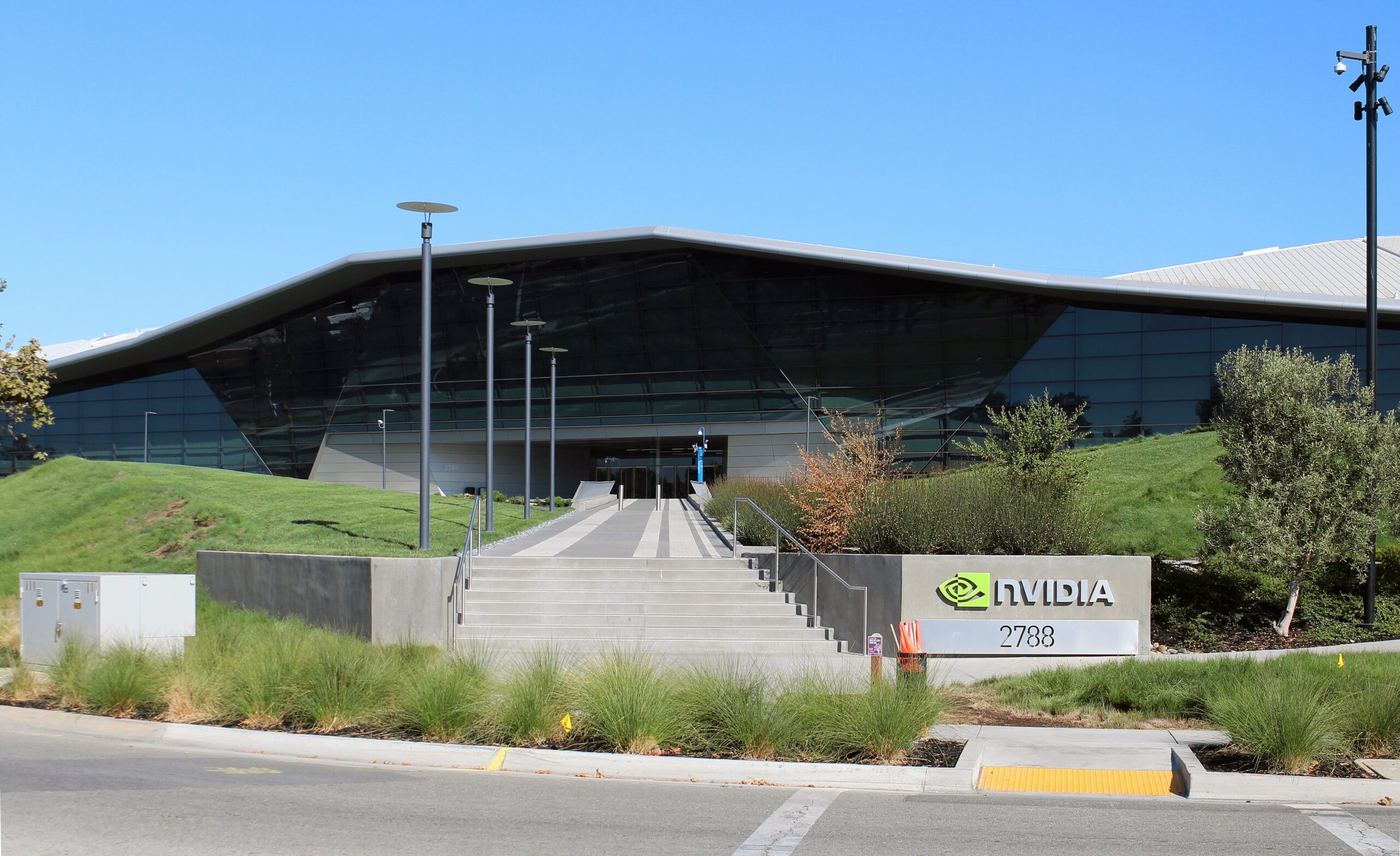
Image: Coolcaesar – CC BY-SA 4.0/Wikimedia Commons