Hyundai and Kia Owners Whose Cars Are Stolen Can Claim Up to $4,500 From a Multistate Settlement Through March 31
A bipartisan coalition of 36 attorneys general announced a settlement with Hyundai and Kia on Dec. 15, 2025, over vehicles sold without engine immobilizers, and part of the deal sets aside money for owners whose cars were stolen. California Attorney General Rob Bonta’s announcement says the companies will provide “up to $4.5 million in additional restitution to eligible consumers whose cars are damaged by thieves.” Claims are handled at the settlement website, which describes the program as applying to certain Hyundai and Kia vehicles manufactured without an engine immobilizer.
The payout tops out at $4,500 for a car lost in a theft, and the amount depends on documented losses. The model lists and payment categories below come from two settlement trackers that summarize the program.
Three Payment Levels, All Capped
According to Claim Depot, the settlement pays up to $4,500 for a total loss, up to $2,250 for a partial loss in which the car was damaged but not totaled, and up to $375 for an attempted theft. The partial-loss figure covers uncompensated repair costs, and the attempted-theft figure covers out-of-pocket expenses that were not otherwise reimbursed.
Amounts already paid by insurance or by Hyundai or Kia goodwill payments are deducted, so a claimant receives only the uncompensated portion. Open Class Actions stresses that these are maximums, that actual payments depend on documented loss and that the total restitution fund is limited to $4.5 million and paid until it runs out.
The Anti-Theft Step That Decides Eligibility
An eligible model alone is not enough. Open Class Actions lists three conditions that must all be met: a covered Hyundai or Kia that was not factory-equipped with an immobilizer, the free anti-theft software upgrade installed (or an appointment scheduled to install it) at the time of the theft or attempt, and a theft or attempt that happened on or after April 29, 2025.
The covered incident window closes at the earlier of two dates: the day the vehicle received the free zinc-reinforced ignition cylinder protector, or March 31, 2027. Bonta’s office said eligible consumers will be notified and have one year from the date of the notice to schedule the cylinder protector at an authorized dealership. The protector is free whether or not a claim is filed.
Which Models and Years Are Covered
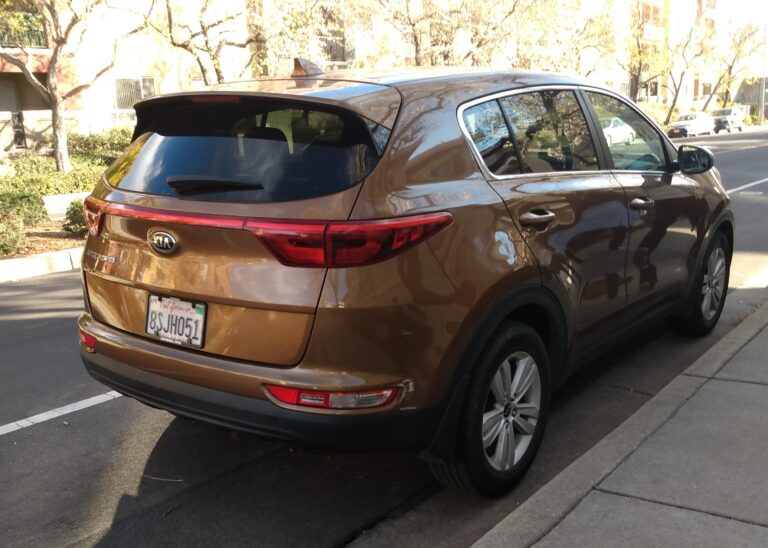
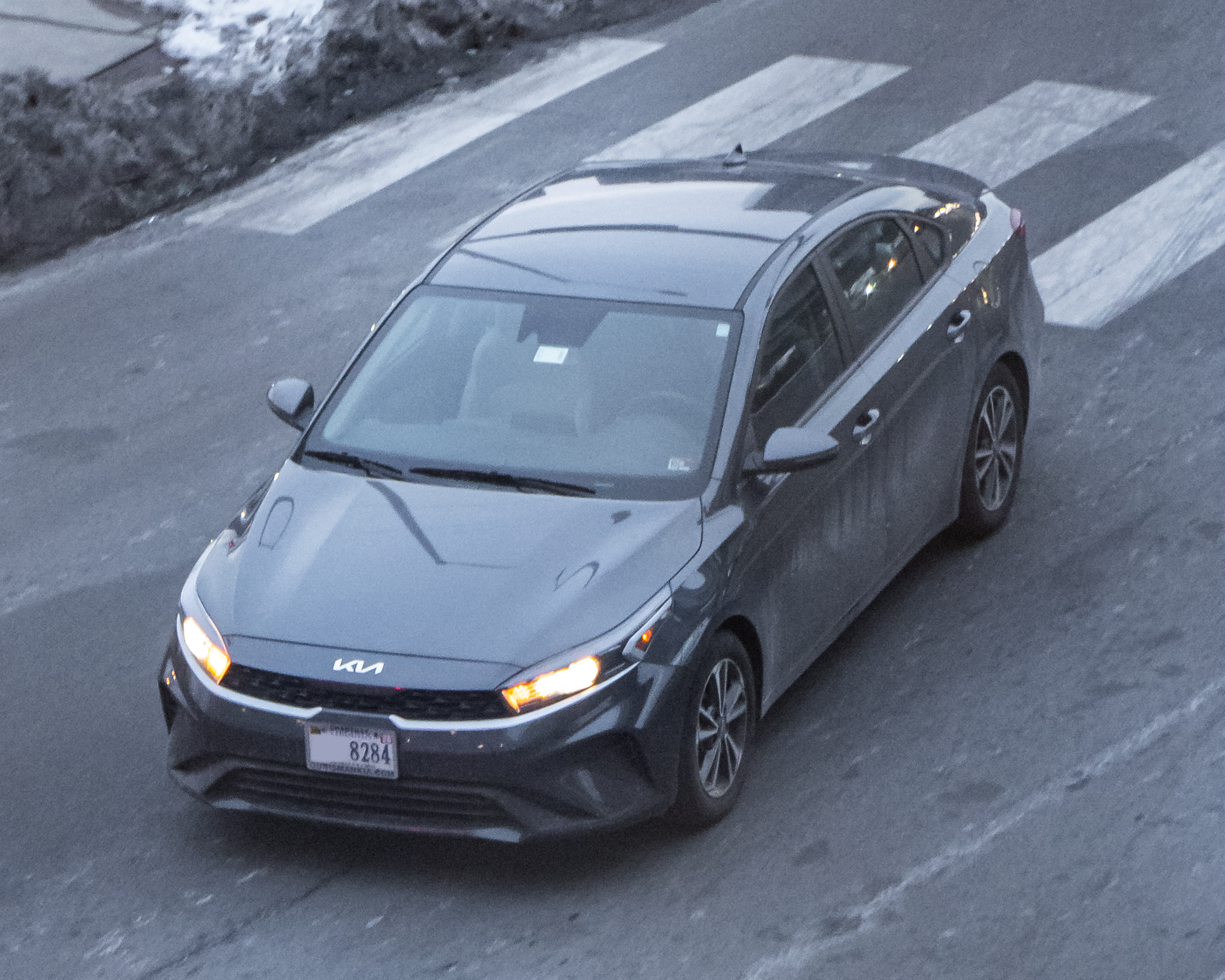
Open Class Actions lists model years by vehicle. Hyundai models include the Accent (2018 to 2022), Elantra (2011 to 2022), Kona (2018 to 2022), Santa Fe (2013 to 2022), Sonata (2011 to 2019) and Tucson (2011 to 2022). Kia models include the Forte (2014 to 2021), Optima (2011 to 2020), Rio (2012 to 2021), Sorento (2011 to 2022) and Sportage (2011 to 2022). The page lists more models than these, including the Palisade, Venue, K5, Seltos, Soul and Sedona.
Claim Depot summarizes the class as 2011 to 2022 Hyundai and Kia vehicles without a factory immobilizer. This settlement is separate from the earlier $145 million Hyundai and Kia anti-theft class action, whose claim deadline was April 28, 2025, and covers thefts on or after April 29, 2025.
The March 31, 2027 Date, and Why It Reads Two Ways
The headline date appears in different forms. Property Casualty 360 reported at the time of the announcement that eligible owners must file theft compensation claims by March 31, 2027. Claim Depot also lists March 31, 2027 as the claim deadline. Open Class Actions describes it differently: it says there is no fixed calendar claim deadline, that payments are made on a rolling basis while funds last and that March 31, 2027 is the last possible covered theft date.
Bonta’s announcement did not state a deadline for filing compensation claims. Because funds are limited and paid in the order claims are processed, both trackers advise filing early rather than waiting for the date.
How to File, and Who Brought the Case
Claim Depot says claims can be filed online at the settlement website’s submit-claim page or by mailing a printed Hyundai or Kia claim form. Documents include the vehicle identification number, proof of ownership or lease, proof of the theft or attempt such as police or insurance records, proof of loss such as receipts or insurance settlements, and records of any earlier reimbursements.
If a claim is deficient, the administrator notifies the claimant in writing and allows 45 days to fix it. Approved claims are paid within 90 days, as a prepaid Mastercard valid for one year or a check valid for 120 days.
The settlement resolves allegations by state attorneys general that the companies sold vehicles without industry-standard immobilizers. Open Class Actions says Minnesota led the coalition, with Connecticut and New Hampshire, and Claim Depot lists the Pennsylvania case as Commonwealth of Pennsylvania by Attorney General David W. Sunday Jr. v. Hyundai Motor America Inc., Case No. 251202044.
Under the agreement, the companies will equip future U.S. vehicles with immobilizers, provide free zinc sleeves and pay $4.5 million to the states for investigation costs, on top of the consumer restitution. No court has found either company liable. The Tonic Edit has also reported on a separate Hyundai and Kia airbag settlement with a different set of models and a different deadline.
This article was produced with AI assistance and edited for accuracy against the sources linked above.
Image: OWS Photography – CC BY 4.0/Wikimedia Commons