The Average IRS Refund Rose to $3,439 in 2026, Up From $3,173, the Agency’s Year-End Report Shows
The IRS’s year-end report puts the average individual refund at $3,439 for fiscal 2026, up from $3,173, with about 120 million refunds paid.

Not stock tips or financial jargon — just the economic realities shaping daily life. This category breaks down how inflation, corporate decisions, and policy changes actually affect households, jobs, and long-term security.

The IRS’s year-end report puts the average individual refund at $3,439 for fiscal 2026, up from $3,173, with about 120 million refunds paid.
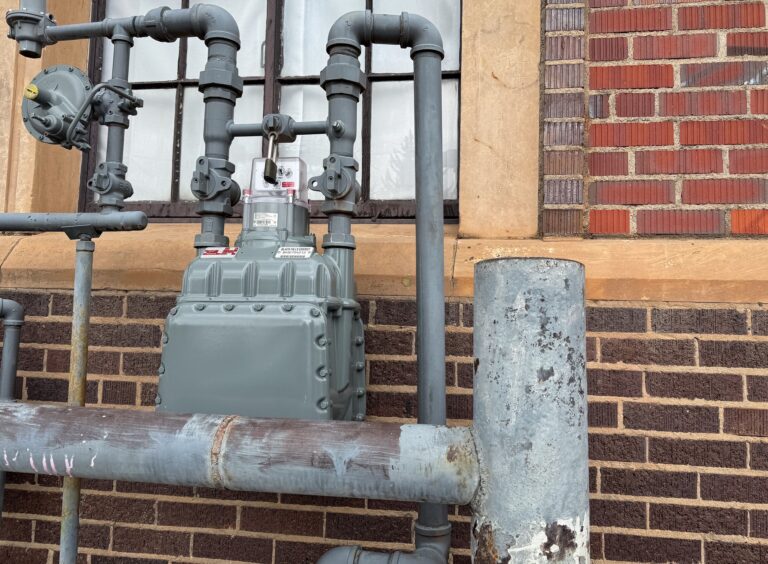
Michigan seniors 65 and older stay connected through March 31 with no set winter payment, but the balance comes due in installments from April to November.

Veterans taxed on a combat-related disability severance payment can claim a refund with an amended return, the IRS said in a Nov. 10 tax tip.

SSA estimates the average aged widow or widower check rises $69 to $2,007 a month with the 3.6% COLA, first payable in January 2027.

Connecticut hardship households keep gas and electric service through May 1, and utilities can’t shut off residential service on a Friday, PURA says.

The $5.475 million settlement offers documented-loss reimbursement or a flat cash share, plus two years of credit monitoring. Final approval is set for Jan. 15.

Starting with 2026 returns, the maximum rate on the child and dependent care credit rises to 50%, on up to $3,000 of costs for one child or $6,000 for two or more.
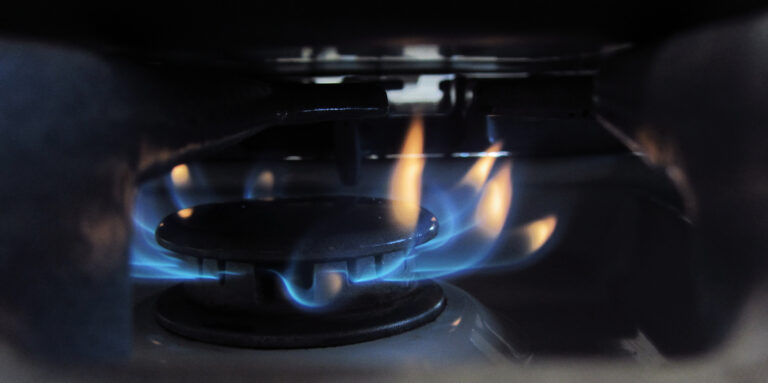
The PUC-approved Hold Harmless credits put about $51 a month on gas bills for five winter months, and about $14 a month on electric bills for a year.

The IRS’s Nov. 16 reminder named the car loan interest deduction for the 2027 filing season. It covers loans taken out after 2024 on U.S.-assembled vehicles.

Ahead of the 2027 filing season, the IRS says personal payments aren’t income, and apps report sellers once they pass $20,000 and more than 200 transactions.