What Happens to the New Car Loan Interest Deduction if the Car Was Built Overseas? The IRS Says It Doesn’t Qualify
A buyer financing a new Toyota that rolled off an assembly line in Japan can drive it home with the same payment book as someone financing a truck built in Michigan. At tax time, the two loans are treated differently. The IRS says the new car loan interest deduction requires final assembly in the United States, so interest on the imported model does not qualify.
The rule comes from the IRS Tax Tip 2026-79, dated Nov. 3, 2026, which lays out which vehicles and loans count. The brand on the hood does not decide it. Where the vehicle was finished does.
Final assembly in the United States is a hard requirement
According to the IRS, a vehicle must be new, have a gross vehicle weight rating under 14,000 pounds and have final assembly in the United States. Cars, minivans, SUVs, pickup trucks and motorcycles can qualify. Used vehicles do not, and the IRS says plainly that leases are not eligible.
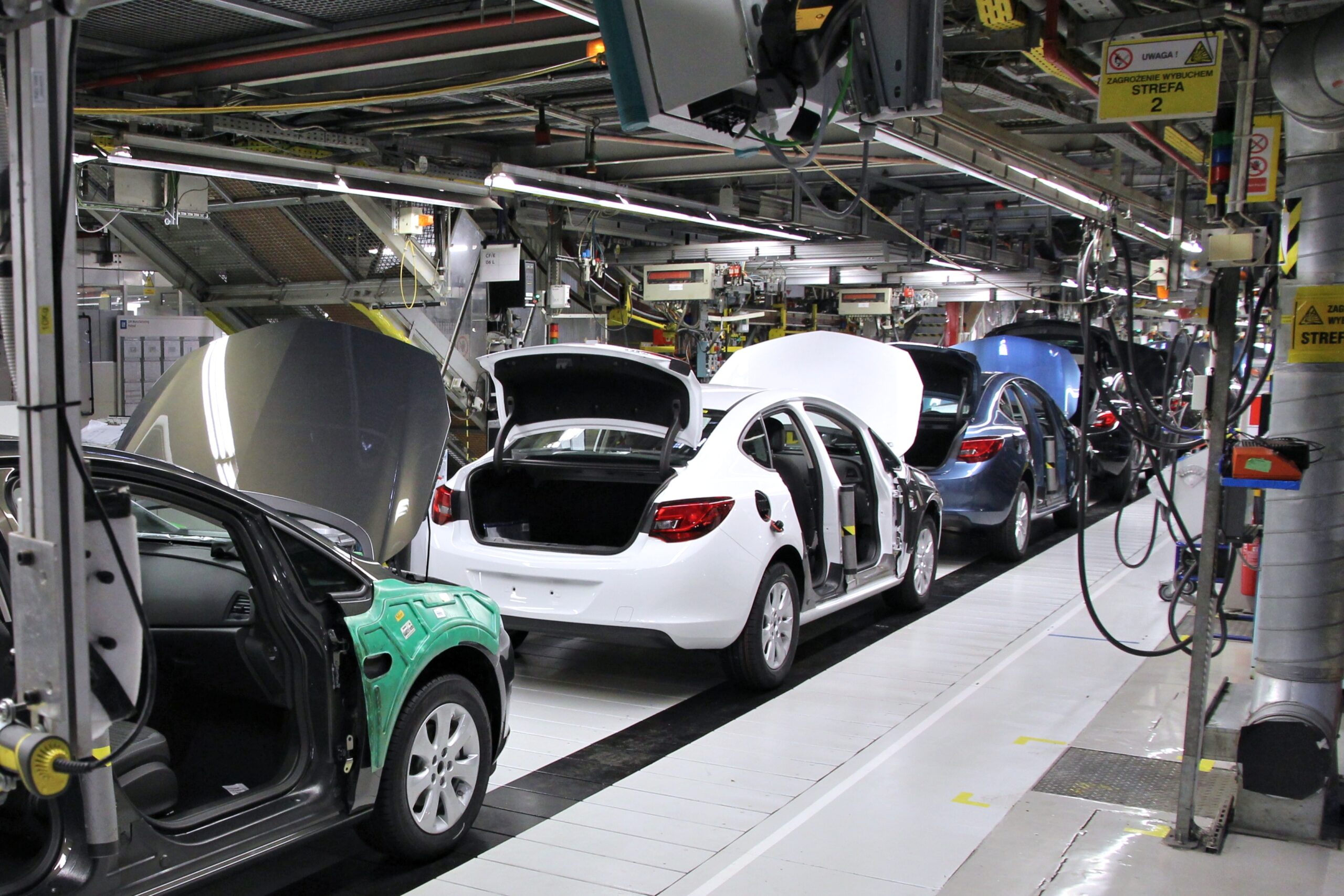
The IRS guidance published when the program was announced says the same thing: the vehicle must have undergone final assembly in the United States. A foreign-badged car assembled in a U.S. plant can meet the test. An American-badged car finished in Canada or Mexico, or a Japanese or Korean import, cannot.
The law covers tax years 2025 through 2028, and the loan must have been taken out after Dec. 31, 2024, according to IRS Publication 6126.
How a buyer can check where a car was finished
The IRS names three ways to confirm final assembly: the information label on the vehicle at the dealership, the vehicle identification number (VIN), or the NHTSA VIN Decoder. The NHTSA decoder returns a plant information section listing the build plant and country. NHTSA notes that the data is reported by manufacturers and advises contacting the manufacturer with questions.
The VIN matters twice. The IRS says it must be included on the tax return for any year the deduction is claimed. Lenders must also report it. According to tax firm Crowe, lender information returns must list the year, make, model and VIN of the vehicle securing the loan, and the lender files Form 1098-VLI once reportable interest reaches $600 for the year.
Final assembly, according to Crowe’s reading of the proposed rules, is the point where a manufacturer completes the vehicle with all component parts necessary for its mechanical operation before delivery to a dealer. Taxpayers can find it by checking the plant of manufacture on a VIN decoder or the final assembly point on the vehicle’s label.
What the deduction is worth when a car does qualify
The maximum annual deduction is $10,000, per IRS Publication 6126. It begins to phase out for taxpayers with modified adjusted gross income above $100,000, or $200,000 for joint filers. The IRS says it is available to both itemizing and non-itemizing taxpayers.
The loan has to be secured by a lien on the vehicle, and the vehicle has to be for personal, non-business use. Interest on a qualifying loan that is later refinanced is generally still eligible, the IRS says.
Crowe adds that personal use means use by the taxpayer, spouse or a related individual for more than 50% of the time, measured when the loan is issued. Fleet sales and related-party debt are excluded, and only individuals, decedents’ estates and nongrantor trusts can claim the deduction.
Original use also matters. The vehicle’s use has to begin with the taxpayer, and Crowe notes that vehicles with salvage titles, or bought for scrap or parts, are excluded. In practice, a used car does not qualify regardless of where it was built.
Other deductions that skip the itemizing step have drawn the same kind of attention, such as the extra $12,000 deduction for married couples 65 and older.
The rules are still being finalized
The Treasury and IRS issued proposed regulations in January 2026 (REG-113515-25). The Journal of Accountancy reported that the proposal repeats the final-assembly requirement and points taxpayers to the VIN or the label for the assembly point. It also says the exclusion is capped at $10,000 a year. The regulations were proposed rather than final when that article ran.
Lenders have their own paperwork. In an October 2025 notice (Notice 2025-57), the IRS said businesses that receive $600 or more in interest from an individual in a calendar year on a qualified passenger vehicle loan must meet new reporting requirements. For 2025, lenders are treated as meeting their obligations if they make the total interest available through an online portal, a monthly statement, an annual statement or similar means, and the IRS will not penalize lenders that do.
That reporting does not decide eligibility. Crowe notes that lender statements must carry a legend saying not all reported interest may be deductible, which leaves the final assembly check with the buyer and the return preparer. Crowe also says 2025 eligibility is likely to be confusing and tells taxpayers to consult their tax advisers.
For a buyer comparing two models, the practical step is to decode the VIN of the exact vehicle before signing. A model name alone does not settle it, because assembly plants differ by model and trim. A car that fails the final-assembly test does not qualify, even if every other requirement is met. The IRS refund numbers from the last filing season give context for what households were already getting back.
This article was produced with AI assistance and edited for accuracy against the sources linked above.
Image: Marek Ślusarczyk (Tupungato) Photo portfolio – CC BY 3.0/Wikimedia Commons