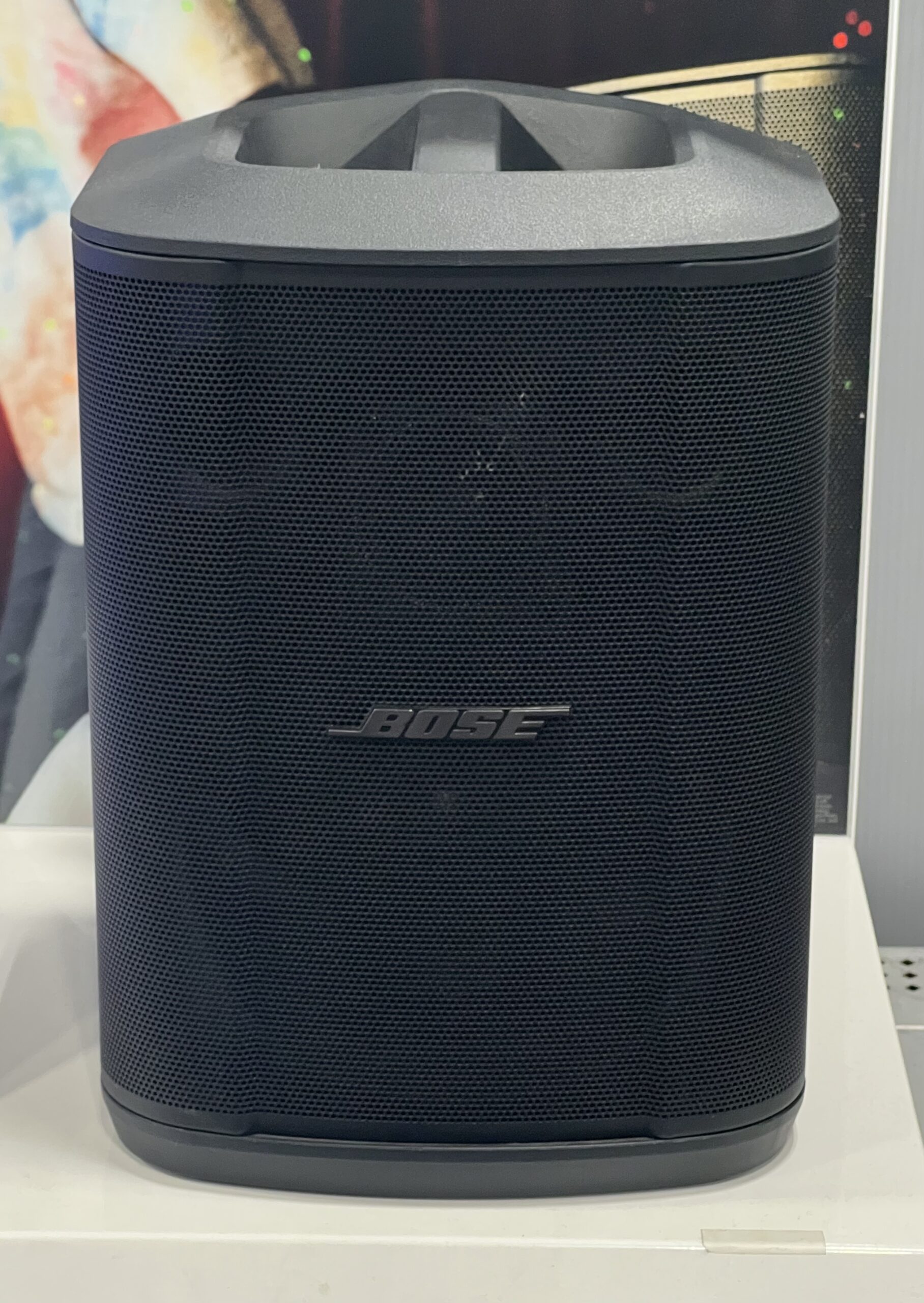
Bose Is Recalling About 634,759 S1 Pro Speaker Battery Packs That Can Overheat and Catch Fire, Sold Since 2017 at Best Buy and Amazon
Anyone who owns a Bose S1 Pro speaker, or bought a spare battery for one, should check the serial number on the bottom of the pack. Bose and the U.S. Consumer Product Safety Commission have recalled about 634,759 lithium-ion battery packs made for the S1 Pro and S1 Pro+ speaker systems, after reports of packs melting, smoking and catching fire.
The packs were sold from December 2017 through July 2026, both inside the speakers and on their own as spare or replacement batteries. Owners are being told to stop using them now and request a free replacement from Bose.
Which Bose Batteries Are Covered
The CPSC recall notice, posted Nov. 5 as recall number 27-065, covers battery packs for the S1 Pro and S1 Pro+ Portable Bluetooth Speaker Systems. About 634,759 were sold in the United States, and roughly 35,400 more were sold in Canada, where the recall was announced jointly with Health Canada.
Not every S1 Pro battery is affected. The recalled packs carry a 17-digit serial number on a label on the bottom of the battery, and the affected numbers begin with one of these strings of digits:
- 083723
- 078352
- 084105
- 078591
- 078592
- 084106
- 086409
The packs were sold at Bose stores, Best Buy, other retailers and distributors nationwide, and online at Amazon.com, Bose.com, BestBuy.com and other websites. A battery pack bought on its own sold for $100 to $160. A complete speaker system with the pack included sold for about $700, according to the CPSC.
Seven Reports of Melting, Smoke or Fire
The hazard is straightforward: the lithium-ion packs can overheat and ignite. Bose has received seven reports of battery packs melting, producing smoke or catching fire, and six of those reports involved damage to property. No injuries have been reported, the agency said.
Because the speaker can still run on wall power, owners do not have to stop using the speaker itself. The CPSC says to remove the recalled battery pack and keep using the speaker only while it is plugged into AC power until a replacement arrives.
The CPSC lists the action as a Fast Track recall. The agency also notes that federal law prohibits selling a product that is under a recall like this one, so a pack from the affected serial ranges should not be resold.
How Owners Get a Free Replacement
The first step is finding the label. The serial number sits on the bottom of the battery pack, so owners will need to remove the pack from the speaker or turn a spare one over to read all 17 digits. If the number starts with any of the seven strings listed above, the pack is part of the recall.
Bose is offering a free replacement battery pack. Owners register on Bose’s recall page and enter the battery’s serial number. Spare packs that are not installed in a speaker are handled the same way: owners read the serial number off the label and submit it on the same site. Bose’s recall line is 800-278-1083, open 9 a.m. to 9 p.m. Eastern on weekdays and 9 a.m. to 7 p.m. on Saturdays.
Getting rid of the old battery takes more care than tossing it out. The CPSC says recalled lithium-ion batteries should not go in household trash, curbside or general recycling, or the battery drop-off boxes found in many stores, because they carry a higher fire risk. The agency points owners to their local household hazardous waste collection site, and suggests calling first to confirm it accepts them. The EPA’s guidance on used lithium-ion batteries says damaged, defective or recalled lithium batteries are more likely to catch fire during transport, and that no lithium-ion battery belongs in household garbage or recycling bins. For a battery that has already been damaged, the EPA advises contacting the battery or device maker for handling instructions, which in this case means Bose.
A Lawsuit Says a Replacement Isn’t Enough
Less than two weeks after the recall, a buyer sued. ClassAction.org reported that the case, Vu v. Bose Corporation, was filed Nov. 17 and seeks to represent everyone who bought an S1 Pro or S1 Pro+ battery pack for personal, family or household use.
The 31-page complaint argues that Bose marketed the batteries as safe and reliable, including advertising “up to 11 hours of play time” for the S1 Pro+, and that a replacement-only remedy with a multi-step process does not fairly compensate buyers. Those are allegations in a newly filed case. The free replacement is available through the recall regardless of the lawsuit.
The complaint also claims Bose knew, or should have known, about the overheating problem through consumer reports, warranty claims, incident reports and its own product support materials, which the filing says pointed to batteries from a certain manufacturer having lower heat tolerance. The case cites New York General Business Law, according to ClassAction.org. Bose has not been found liable for anything in the suit.
Recall owners in other product lines have ended up with cash through the courts, as in the Hyundai and Kia airbag settlement that is still taking claims from owners of recalled models.
Anyone who has trouble getting the replacement, or believes the company is not responding, can file a recall complaint through the CPSC’s online form or call the agency’s hotline at 800-638-2772. Readers tracking other household recalls can also see the Sharper Image fire pit recall sold at Walmart, Target and Home Depot.
This article was produced with AI assistance and edited for accuracy against the sources linked above.
Image: TaurusEmerald – CC BY-SA 4.0/Wikimedia Commons