Louisiana Voters Raised the Income Cap on the Senior Property Tax Freeze to $150,000, and the Change Takes Effect Jan. 1
For a Louisiana retiree whose home has climbed in value, the property tax freeze is the shield that keeps the assessment from climbing with it. Until now, that shield disappeared once household income passed $100,000. On Nov. 3, voters moved the line to $150,000, and the new limit applies to tax years starting Jan. 1, 2027.
The change came through Amendment 9, which passed with 59% of the vote, according to States Newsroom’s election-night tally. It covers homeowners 65 and older, disabled veterans, residents who are totally and permanently disabled, and spouses of service members killed or missing in action.
How the Freeze Works
Louisiana’s constitution calls the freeze the “special assessment level.” It holds a qualifying homeowner’s assessed value in place, which is why the Louisiana Illuminator and other outlets call it the property tax freeze. Under the rules in place before the vote, a person was barred from the freeze if adjusted gross income on the prior year’s federal return topped $100,000, with the incomes of a married couple filing separately combined, as the text of an earlier proposal, SB 57 of the 2025 session, lays out.
The measure voters approved started as House Bill 300 by Rep. Mack. Its amended text says the special assessment is barred only if adjusted gross income “exceeds one hundred fifty thousand dollars.” The bill takes effect Jan. 1, 2027, and applies to all tax years beginning on or after that date.
Who Qualifies Under the New Limit
The groups eligible for the freeze did not change, only the income ceiling. According to HB 300, they are:
- People 65 or older
- People with a VA service-connected disability rating of 50% or more
- Certain members of the armed forces or National Guard who were killed, missing in action or held as prisoners of war for more than 90 days, through their surviving spouses
- People who are permanently and totally disabled, as determined by a final court judgment or a state or federal disability agency
As an illustration, a retired couple whose pension, taxable Social Security and IRA withdrawals add up to $120,000 in adjusted gross income would have been over the old line and is under the new one.
The amendment also changes when the limit starts rising with prices. Under prior law, the income cap was set to adjust each year by the Consumer Price Index beginning in tax year 2026. HB 300 strikes “2026” and inserts “2028,” so the $150,000 figure stays fixed for 2027 and begins moving with the CPI the year after.
The National Conference of State Legislatures, in its Nov. 12 review of 30 tax measures decided in 16 states, summarized Amendment 9 the same way: the special assessment income limit rises to $150,000 and is indexed to inflation from 2028.
A Second Senior Break Also Passed
The freeze vote was one of seven amendments Louisiana voters approved out of 10, the Louisiana Illuminator reported. Amendment 6, which passed with 64%, lets parishes and municipalities add a larger homestead exemption for seniors, but only where local voters approve it in a separate election, and not before 2028.
The two measures connect. Amendment 6’s extra exemption is open only to seniors who qualify for the special assessment level, according to the digest of Act 274. Raising the freeze’s income line to $150,000 widens the group of seniors who could also get that bigger exemption, in places that adopt it.
Louisiana voters also approved Amendment 1, which lets a surviving spouse of a deceased disabled veteran transfer a property tax exemption to a new home. A legislative fiscal analysis cited by the Illuminator found only 229 people claimed that exemption last year.
What Homeowners Near the Line Can Do
The income test looks back at adjusted gross income on the prior year’s federal return, as the SB 57 text describes it. For the 2027 tax year, that points to the 2026 return filed next spring, so a retiree whose 2026 adjusted gross income lands between $100,000 and $150,000 is newly within reach of the freeze.
Homeowners who were turned away in past years because of income may want to ask their parish assessor’s office whether to reapply for 2027.
How Other States Voted on Property Taxes
Louisiana was not alone in putting property taxes on the Nov. 3 ballot. NCSL counted 30 tax measures in 16 states, and the property tax results went both ways.
Florida’s Amendment 3 passed, raising the homestead exemption to $150,000 in 2027 and $250,000 in 2028 and capping assessment growth on non-homestead property at 5%. Oklahoma’s State Question 847 failed. According to Kiplinger, it would have cut the yearly cap on homestead valuation growth from 3% to 1.75% and given seniors above their county’s median income a capped increase between 0.35% and 1.75%, so Oklahoma’s existing rules stay in place. Wyoming’s Proposition 1, which would have exempted 50% of a qualified homeowner’s primary residence, also failed, NCSL reported.
The Tonic Edit has covered what Florida’s homestead change means for residency and Georgia’s one-time cut in taxable home values.
This article was produced with AI assistance and edited for accuracy against the sources linked above.
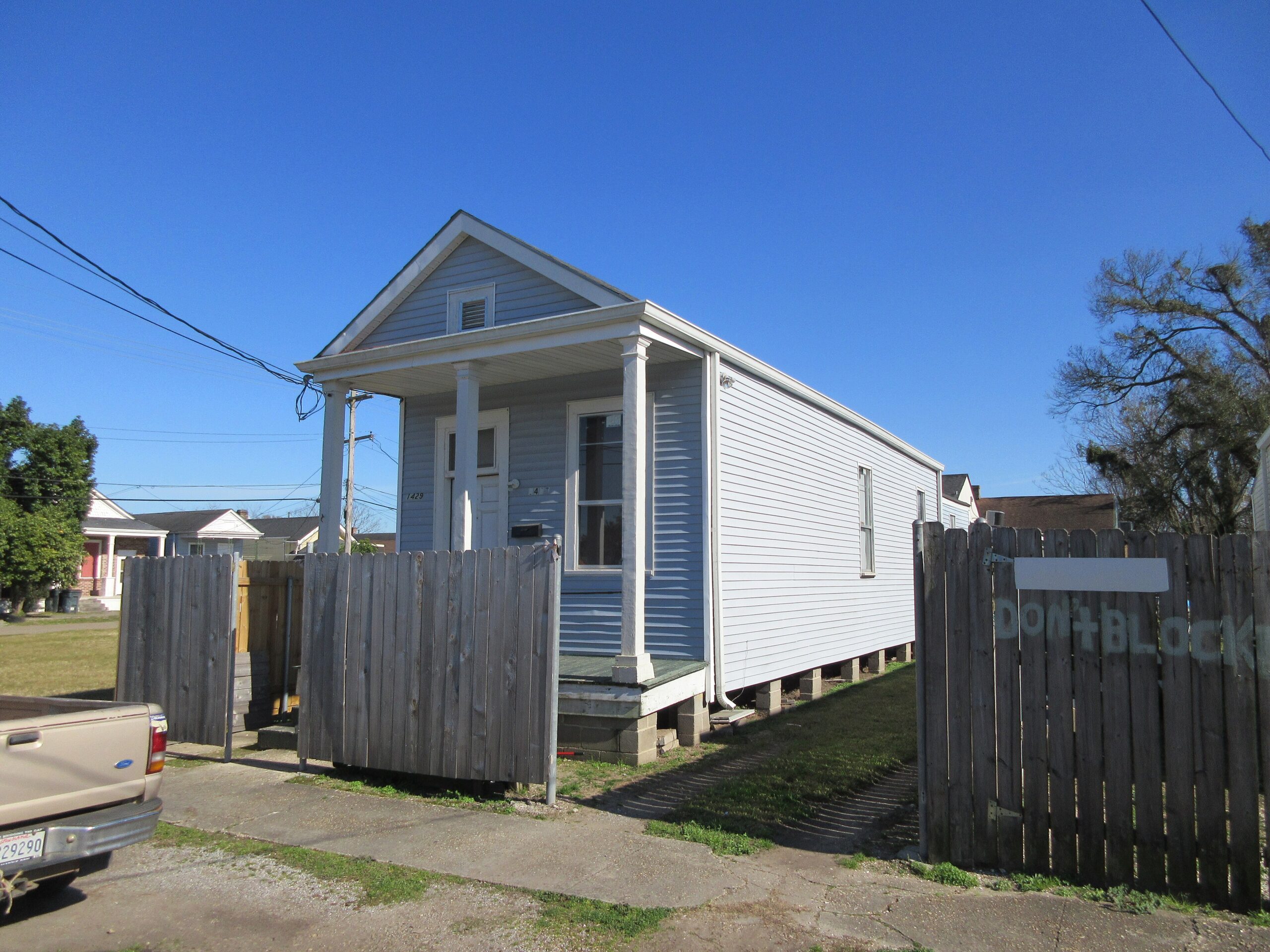
Image: Infrogmation of New Orleans – CC BY 2.0/Wikimedia Commons