Oil Prices Are Reacting to the US–Iran–Israel Tension and Economists Warn “Every Barrel Spike Hits Global Inflation Immediately”
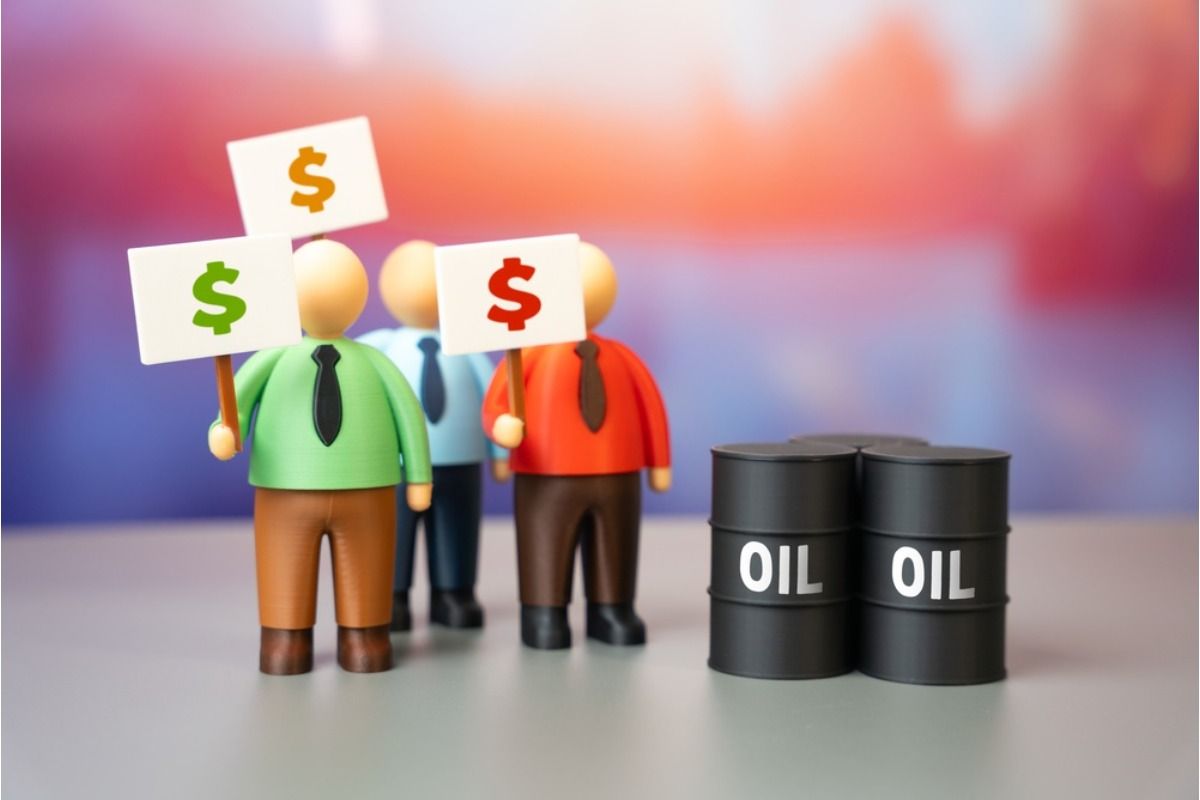
Oil markets are already reacting sharply to rising geopolitical tension between the US, Iran, and Israel, with analysts warning that even short disruptions can quickly feed into global inflation through higher energy costs.
Oil Prices React Immediately to Geopolitical Risk
Crude oil is highly sensitive to any threat affecting Middle Eastern supply routes, especially the Strait of Hormuz, which carries a significant share of global oil trade. Recent conflict-related disruptions have already caused major price swings in global benchmarks, with spikes and rapid reversals depending on ceasefires or escalation signals.
Supply Shock Fears Drive Volatility
Economists note that even the possibility of disrupted shipments is enough to push prices higher. Markets often “price in” risk before actual shortages occur, leading to sudden surges in Brent and WTI crude when tensions escalate.
Inflation Impact Is Fast and Direct
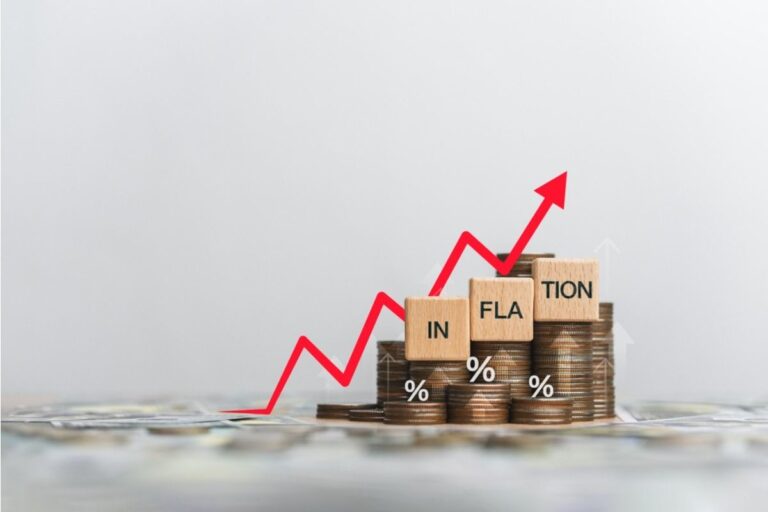
Oil is a core input for transportation, logistics, agriculture, and manufacturing. When crude prices rise, costs spread quickly across the economy, increasing prices of fuel, food, and goods within weeks. Economists describe this as an immediate “pass-through” effect from energy markets into consumer inflation.
Economists Warn of Broader Economic Pressure
Analysts also caution that sustained oil spikes can weaken growth while raising inflation at the same time—a stagflation-like pressure that limits central bank options and keeps interest rates higher for longer.
The Key Risk Is Duration, Not Just the Spike
Short-lived price jumps tend to fade, but prolonged disruptions keep inflation elevated for longer periods. The longer geopolitical tensions affect supply routes, the more deeply the cost increase spreads through global economies.
Bottom Line
Oil markets respond instantly to US–Iran–Israel tensions, and that reaction doesn’t stay in energy markets for long. Even a single spike in crude prices can quickly ripple into transport costs, food prices, and overall inflation worldwide, which is why economists closely watch every escalation signal.